
PA Cat Rescue & Community Hub
Found a cat? Start here.
If you’ve found a cat — indoors or outside — and aren’t sure what to do next, this page is designed to help you take the right first steps, in the right order.
You don’t need to know rescue terms.
You don’t need to act immediately.
You just need a clear place to begin.
Before You Do Anything Else
Do not trap, transport, or relocate the cat yet.
In many cases, acting too quickly can make things harder — for the cat and for the people trying to help.
The safest first move is to pause, observe, and connect with local guidance.
This hub exists to help you do exactly that.

Step 1: Check for Danger
Take a moment to assess the situation.
You may need urgent help if the cat is:
Injured or visibly ill
Very young (kittens with OR without a mother present)
In immediate danger (traffic, extreme weather, construction, etc.)
If none of these apply, you likely have time to gather information before acting.
Step 2: Observe the Situation
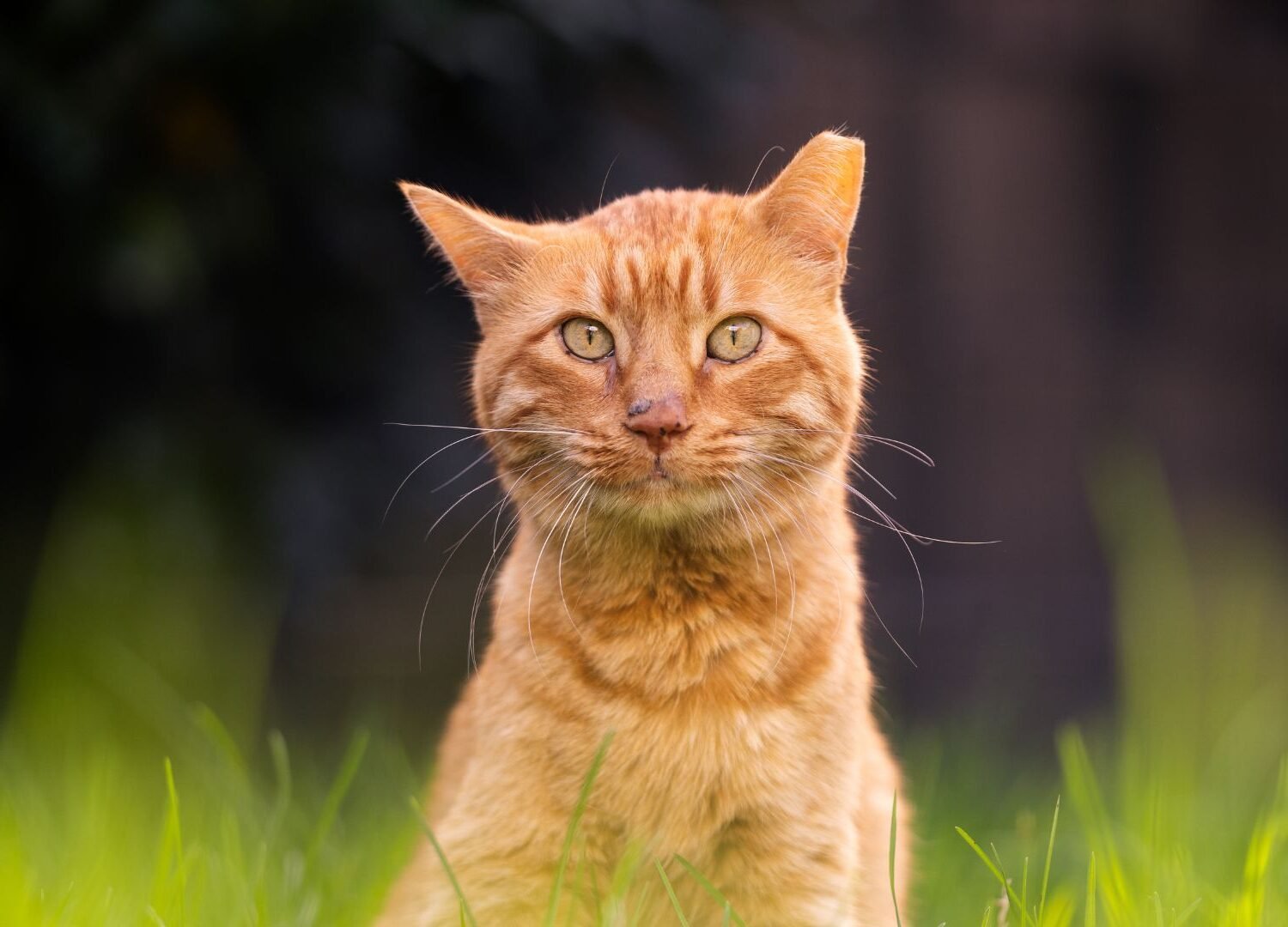
Many cats who appear “stray” are actually:
Owned outdoor cats
Lost but recently displaced
Part of an established community cat colony
Before intervening, notice:
Is the cat friendly or fearful?
Have you seen the cat around before?
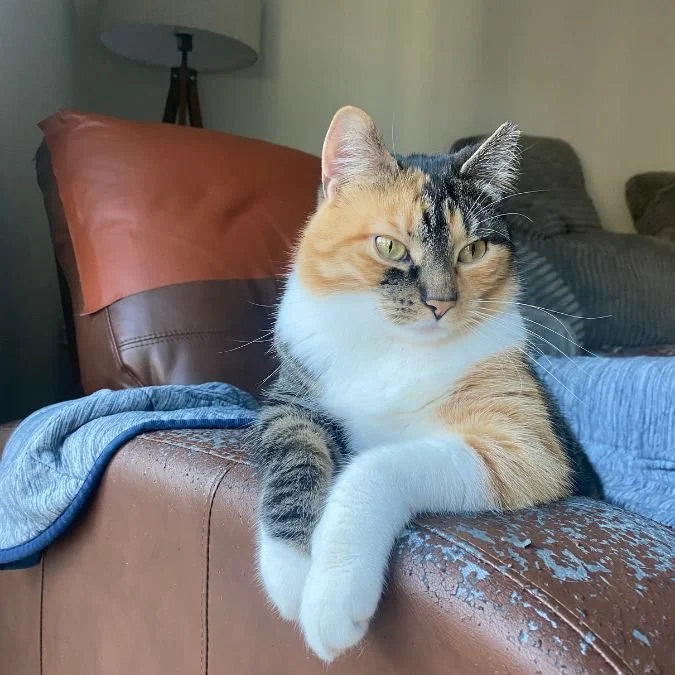
Does the cat have an ear tip (a small flat tip on one ear)?
Does the cat appear healthy and well-fed?
These details help determine what kind of help is appropriate.
Step 3: Get Local Guidance
Shelter policies, rescue capacity, and TNR availability vary by county. That’s why the most important step is connecting with resources near you, not following generic advice.
This will guide you to:
Local rescues and shelters
Community cat & TNR programs
Low-cost clinics and spay/neuter resources
Rescue-led guidance specific to your area
(This is the recommended starting point for most situations.)
About Trapping (Read This First)

Trapping is not the first step in most cases.
Improper trapping can:
Separate owned cats from their families
Disrupt managed colonies
Cause unnecessary stress or injury
When trapping is appropriate, it’s usually done with support from a rescue or TNR group who can:
Confirm that trapping is needed
Provide or loan proper equipment
Coordinate spay/neuter or intake
Help plan what happens next
This hub is designed to connect you to those groups before you take that step.

Community Cats & TNR Support
Not every outdoor cat needs to be removed.
Many outdoor cats are part of managed community cat populations where Trap–Neuter–Return (TNR) helps:
Prevent more kittens
Improve cat health
Reduce nuisance behaviors
Keep cats stable in familiar environments
If you’re caring for an outdoor cat or colony, local TNR programs can help assess the situation and guide next steps.

Find Help Near You in Pennsylvania
If you’re ready to take the next step, start with resources closest to you.
Below you’ll find Pennsylvania-based cat rescues, shelters, and community cat/TNR support organized by county. These are the groups best equipped to advise you on what to do next — based on your location and the cat’s situation.
Start with your county below.
You can explore additional options as needed.

Franklin County Cat Rescues & Animal Welfare Organizations
A directory of cat rescues, animal rescue leagues, and nonprofit organizations serving cats in Franklin County, Pennsylvania.

Forest County Cat Rescues & Animal Welfare Organizations
A directory of cat rescues, animal rescue leagues, and nonprofit organizations serving cats in Forest County, Pennsylvania.

Fayette County Cat Rescues & Animal Welfare Organizations
A directory of cat rescues, animal rescue leagues, and nonprofit organizations serving cats in Fayette County, Pennsylvania.

Erie County Cat Rescues & Animal Welfare Organizations
A directory of cat rescues, animal rescue leagues, and nonprofit organizations serving cats in Erie County, Pennsylvania.

Delaware County Cat Rescues & Animal Welfare Organizations
A directory of cat rescues, animal rescue leagues, and nonprofit organizations serving cats in Delaware County, Pennsylvania.

Elk County Cat Rescues & Animal Welfare Organizations
A directory of cat rescues, animal rescue leagues, and nonprofit organizations serving cats in Elk County, Pennsylvania.

Dauphin County Cat Rescues & Animal Welfare Organizations
A directory of cat rescues, animal rescue leagues, and nonprofit organizations serving cats in Dauphin County, Pennsylvania.

Cumberland County Cat Rescues & Animal Welfare Organizations
A directory of cat rescues, animal rescue leagues, and nonprofit organizations serving cats in Cumberland County, Pennsylvania.

Columbia County Cat Rescues & Animal Welfare Organizations
A directory of cat rescues, animal rescue leagues, and nonprofit organizations serving cats in Columbia County, Pennsylvania.

Crawford County Cat Rescues & Animal Welfare Organizations
A directory of cat rescues, animal rescue leagues, and nonprofit organizations serving cats in Crawford County, Pennsylvania.

Clinton County Cat Rescues & Animal Welfare Organizations
A directory of cat rescues, animal rescue leagues, and nonprofit organizations serving cats in Clinton County, Pennsylvania.

Clearfield County Cat Rescues & Animal Welfare Organizations
A directory of cat rescues, animal rescue leagues, and nonprofit organizations serving cats in Clearfield County, Pennsylvania.

Chester County Cat Rescues & Animal Welfare Organizations
A directory of cat rescues, animal rescue leagues, and nonprofit organizations serving cats in Chester County, Pennsylvania.

Clarion County Cat Rescues & Animal Welfare Organizations
A directory of cat rescues, animal rescue leagues, and nonprofit organizations serving cats in Clarion County, Pennsylvania.

Centre County Cat Rescues & Animal Welfare Organizations
A directory of cat rescues, animal rescue leagues, and nonprofit organizations serving cats in Centre County, Pennsylvania.

Carbon County Cat Rescues & Animal Welfare Organizations
A directory of cat rescues, animal rescue leagues, and nonprofit organizations serving cats in Carbon County, Pennsylvania.

Cameron County Cat Rescues & Animal Welfare Organizations
A directory of cat rescues, animal rescue leagues, and nonprofit organizations serving cats in Cameron County, Pennsylvania.

Cambria County Cat Rescues & Animal Welfare Organizations
A directory of cat rescues, animal rescue leagues, and nonprofit organizations serving cats in Cambria County, Pennsylvania.

Butler County Cat Rescues & Animal Welfare Organizations
A directory of cat rescues, animal rescue leagues, and nonprofit organizations serving cats in Butler County, Pennsylvania.

Bucks County Cat Rescues & Animal Welfare Organizations
A directory of cat rescues, animal rescue leagues, and nonprofit organizations serving cats in Bucks County, Pennsylvania.

Imagine walking into your home and…
not checking the floor first
not feeling that drop in your stomach when you smell something
not worrying every time your cat disappears
not wondering if it’s going to happen again
Just… calm.
That’s what this guide helps you get back to.
✔ Takes less than 3 minutes to read
✔ You can start today
Get the Free Guide
Start fixing this today—without punishment, confusion, or guesswork.
Because once you fix the environment (not just the litter box)… the behavior becomes much easier to stop.