
What To Do If Your Indoor Cat Goes Missing
Published On: 2/9/2026
Last Updated On: 2/9/2026
By Callie, Seymour, Yebba, and Mama, Tucker and our Hooman Ashley!
FREE CAT HAIR HACKS
⬇️
FREE CAT HAIR HACKS ⬇️
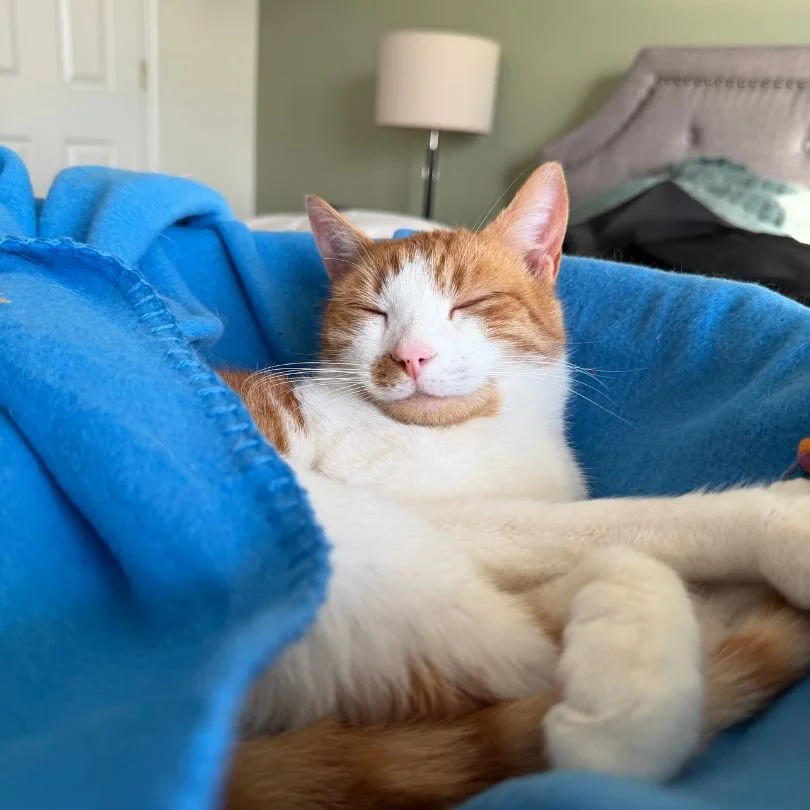
A calm, step-by-step guide from the cats who’ve been found before
There are moments when the house goes too quiet.
The food bowl is untouched.
The favorite window seat stays empty.
The familiar weight on the bed never shows up.
That’s when the panic starts creeping in.
We know that feeling — not just because we’re cats, but because we’re rescue cats. We’ve been lost, misplaced, scooped up, hidden, scared, and eventually… found. And if there’s one thing we want every cat parent to know, it’s this:
Most indoor cats who go missing are not gone. They are hiding. And there is a plan that works.
So take a breath. Sit with us for a moment. We’ll walk you through exactly what to do — calmly, clearly, and in the right order — when your indoor cat goes missing.
First Things First: Pause the Panic
(This matters more than you think)
When an indoor cat slips out or disappears, the instinct is to rush. To run. To shout their name into the street.
We love the intention — truly — but panic can work against you.
Indoor cats who get outside are usually terrified, not adventurous. Loud voices, fast movement, and crowds can push us deeper into hiding.
Before you do anything else:
Take three slow breaths
Lower your voice
Slow your movements
A calm hooman makes a safer environment for a scared cat to return.
Step One: Assume Your Cat Is Very, Very Close
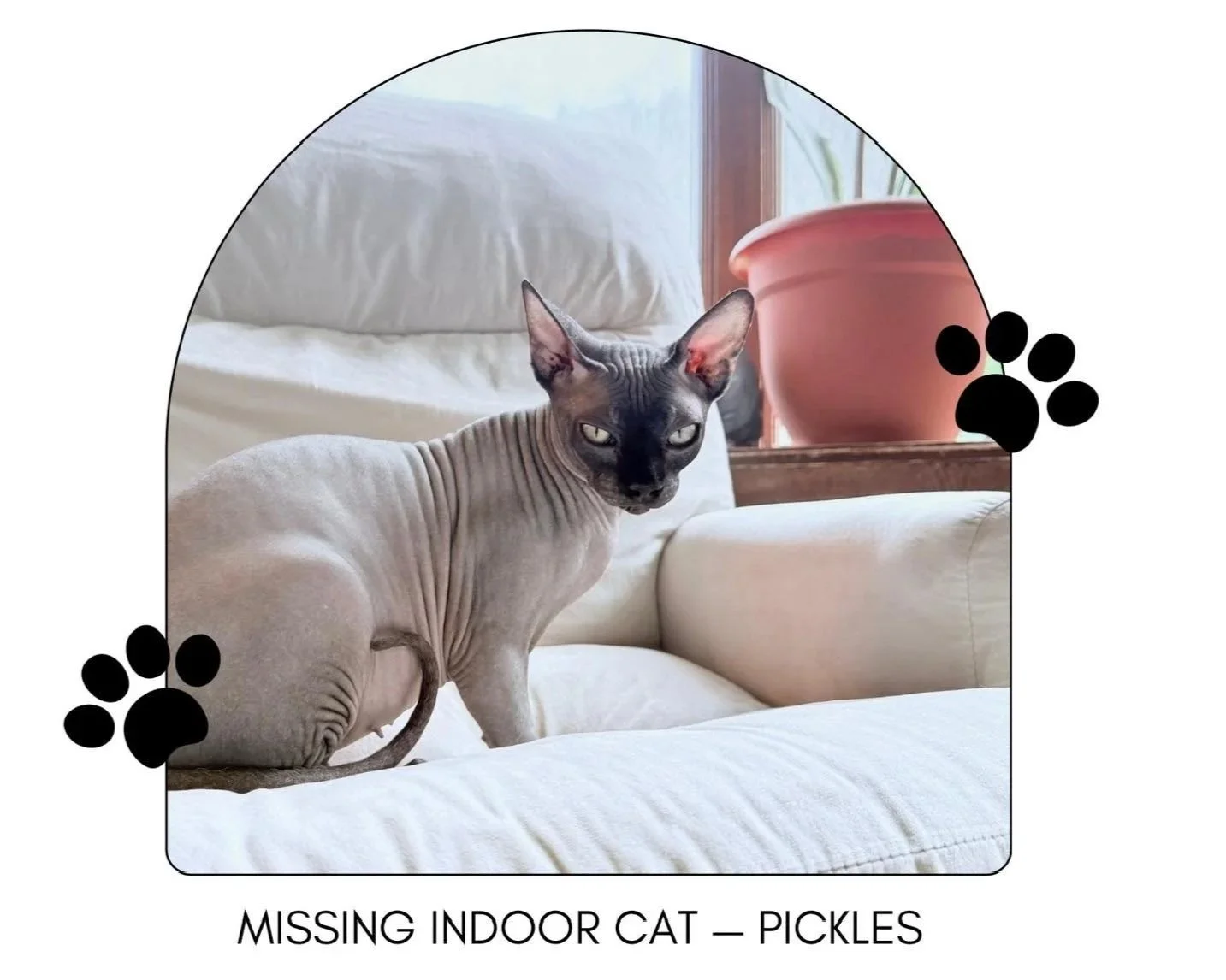
This is the biggest myth we want to correct.
Indoor cats almost never travel far.
Most are found:
Within 1–5 houses of home
Under porches, decks, or steps
Inside garages, sheds, basements, or crawl spaces
Behind trash bins, bushes, or stacked items
We are not roaming the neighborhood.
We are hiding silently, often too scared to respond — even if we hear you calling.
Start your search at your home and move outward slowly.
Step Two: Search Low, Quiet, and Close
This is not a calling-and-walking search.
This is a listening search.
Grab a flashlight (even during the day) and check:
Under porches and decks
Inside garages (yours and neighbors’)
Sheds, barns, trailers, and outbuildings
Bushes, hedges, woodpiles
Window wells and crawl spaces
Get low. Look under things. Shine light into dark spaces and watch for:
Eye reflection
Subtle movement
A flick of an ear or tail
And this part is important:
Do not chase if you see us.
Sit down. Speak softly. Let us decide when it’s safe.
Step Three: Check Inside Again (Yes, Again)
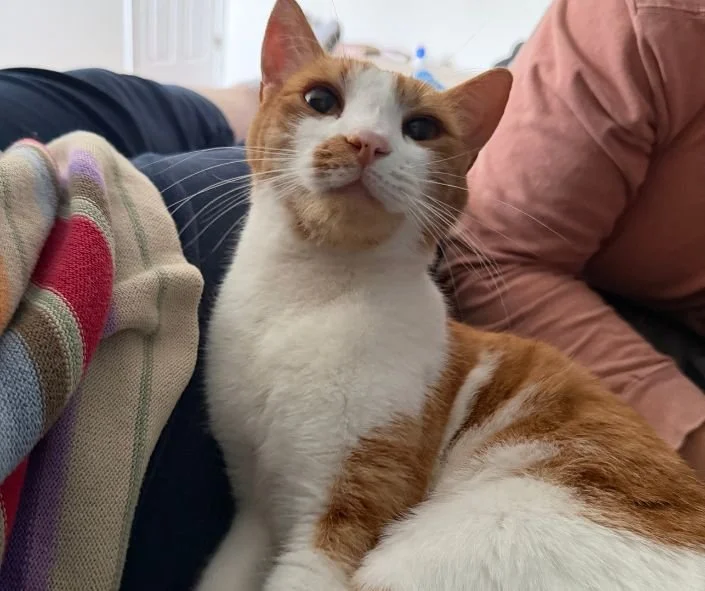
We know it sounds obvious — but many “missing” indoor cats are found inside hours later.
Check:
Closets and cabinets
Laundry rooms
Behind appliances
Inside box springs and couches
Attics and basements
Cats can slip into places you didn’t even know existed.
Check slowly. Check twice.
Step Four: Set Up a Safe Return Zone
If your cat may be outside, create a familiar, comforting landing spot.
Right outside your home (or last known location), place:
Your cat’s bed or blanket
An item that smells like you
A small amount of food (not a buffet)
A bowl of water
A heated bed if it’s cold
This isn’t about luring — it’s about signaling safety.
This says: You’re home. You’re safe. Come back when you’re ready.
Step Five: Use Cameras, Not Crowds
If you have outdoor cameras — check them.
If you don’t — borrow one, set one up, or ask neighbors who have them.
Cameras:
Reduce panic
Confirm movement patterns
Prevent unnecessary searching
Many cats are spotted returning quietly at night, when everything feels safer.
Which brings us to an important truth:
Most indoor cats attempt to return after dark.
Step Six: Go Out at Dusk and Dawn

These are the hours we move.
Quiet. Still. Familiar smells.
Sit outside. Speak gently. Shake treats softly.
Don’t wander far — let us come to you.
Sometimes, we need a few days to gather the courage.
That doesn’t mean we’re gone.
Step Seven: Loop in the Right People
Once you’ve searched close and set up a return zone, it’s time to expand — strategically.
Do this:
Talk to immediate neighbors (within a few houses)
Ask them to check garages, sheds, and basements
Leave a simple flyer with a photo and contact info
Avoid:
Mass panic posts with conflicting details
Overwhelming language that causes fear
Encouraging people to chase or trap us
Clear, calm communication helps more than urgency alone.
Step Eight: Contact Local Shelters and Vets

Even indoor cats can be picked up out of kindness.
Call or visit:
Local animal shelters
Animal control
Veterinary clinics nearby
Ask them to note:
Description
Microchip info (if applicable)
Last known location
If your cat is microchipped, make sure your contact info is current.
What Not to Do (We’re Saying This With Love)
Please don’t:
Yell or run through the streets
Move food stations constantly
Leave unfamiliar traps without guidance
Give up too quickly
Indoor cats don’t behave like outdoor cats.
We need time, quiet, and familiarity.
How Long Is “Too Long”?
We wish there were a magic number.
But here’s the truth:
Many indoor cats are found within 24–72 hours
Others return after a week
Some come back after longer — once the environment settles
Time does not equal loss.
Persistence, patience, and calm consistency save lives.
A Note From the Newsroom Cats

We know this is one of the hardest situations a cat parent can face.
The waiting.
The imagining.
The ache of not knowing.
But we also know this: being informed is powerful.
Most indoor cats who go missing are found.
Most are closer than you think.
And most come home because someone stayed calm and followed the steps.
If you’re in this moment right now, we’re sitting with you.
And if you’re reading this before you ever need it — save it. Share it. Because knowledge is what brings us home.
If this guide helped you, share it with your community.
If you’re searching right now, don’t give up — and don’t do it alone.
And if are in PA and your cat is missing, send us a message and we will help spread the word.
🐾 Coming Wednesday on Stray Cat News
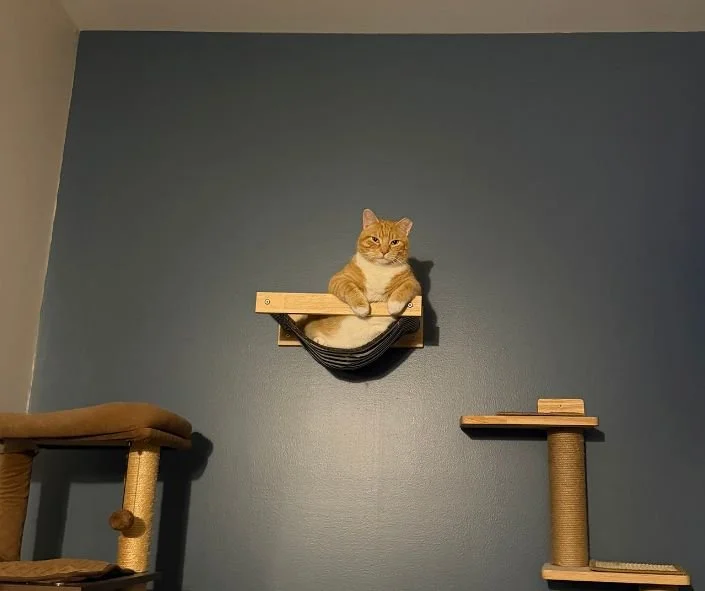
Best Cat Wall Shelves for Small Spaces
Best Cat Wall Shelves for Small Spaces 🐈⬛
Tiny apartment? Limited floor space? Strong opinions from cats who love being vertical?
We’re sharing our favorite wall-mounted cat shelves, perches, and setups that turn small spaces into feline playgrounds — without overwhelming your home.
Because every cat deserves a good view.
And every hooman deserves their floor back. 😌
Coming Wednesday. Stay tuned.