
Why Does My Cat Have Dandruff? Causes & When to Worry
Published On: 5/13/2026
Last Updated On: 5/13/2026
By Callie, Seymour, Yebba, Tucker, and Mama and our Hooman Ashley!
BERKS COUNTY, PA — More Cat Owners Are Asking the Same Question: “Why Does My Cat Have Dandruff?”
Local veterinarians and rescue groups across Berks County are reporting a steady increase in a specific type of concern from cat owners:
Visible dandruff.
It’s not typically urgent.
It’s not always severe.
But it’s showing up often enough—in homes, foster environments, and intake evaluations—that it’s become a recurring conversation.
And while dandruff in cats can be minor, the reason behind it isn’t always simple.
A Pattern Showing Up in Homes and Foster Care
According to observations from local fosters and rescue volunteers, cat dandruff is most commonly appearing during:
seasonal transitions (especially late winter into spring)
changes in indoor air quality
diet shifts after adoption or relocation
In many cases, the flakes appear along the lower back—an area cats rely on regular grooming to maintain.
When that grooming is disrupted, the signs show quickly.
What Cat Dandruff Indicates—And What It Doesn’t
Dandruff itself isn’t a diagnosis.
It’s a signal.
At a basic level, it reflects an imbalance in the skin—most often tied to:
dryness in the environment
decreased grooming
nutritional gaps
or mild irritation
In isolation, these cases tend to resolve with small adjustments.
But not all of them stay isolated.
Where Local Vets See It Escalate
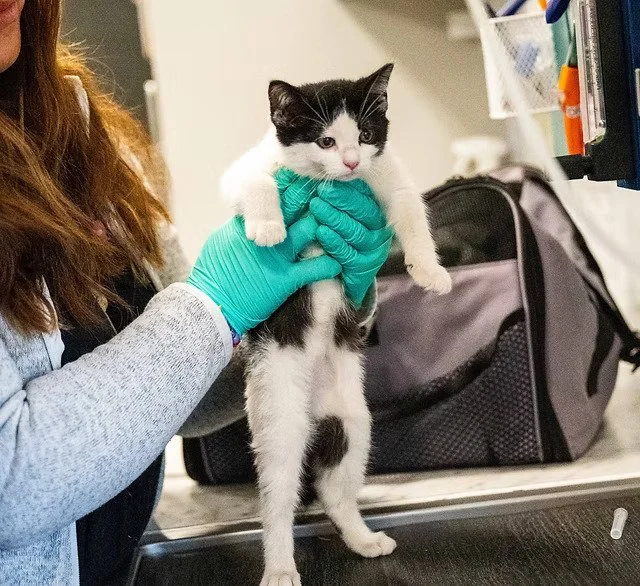
While many cases remain mild, veterinary teams note that dandruff becomes more relevant when paired with other symptoms.
The most commonly reported combinations include:
flaking + hair thinning
flaking + frequent scratching
flaking + changes in appetite or energy
In these situations, dandruff may point toward:
underlying skin conditions
parasite exposure
or broader health issues affecting coat condition
That shift—from surface symptom to supporting indicator—is where attention matters most.
Why This Shows Up More Often Than Expected
Part of the reason dandruff is appearing more frequently comes down to environment.
Indoor cats—especially during colder months—are exposed to:
dry air from heating systems
reduced humidity
less natural variation in climate
At the same time, lifestyle factors contribute:
weight gain limiting grooming reach
diet inconsistencies during transitions
stress from relocation or new environments
These aren’t dramatic changes.
But together, they create the conditions where dandruff becomes visible.
What Cat Owners Are Doing in Response
Most local responses fall into a few consistent adjustments:
increasing moisture in the diet (often through wet food)
introducing light grooming support
monitoring behavior changes more closely
In many cases, these shifts are enough.
But when they aren’t, the next step tends to come quickly.
When It Moves Beyond a Surface Issue
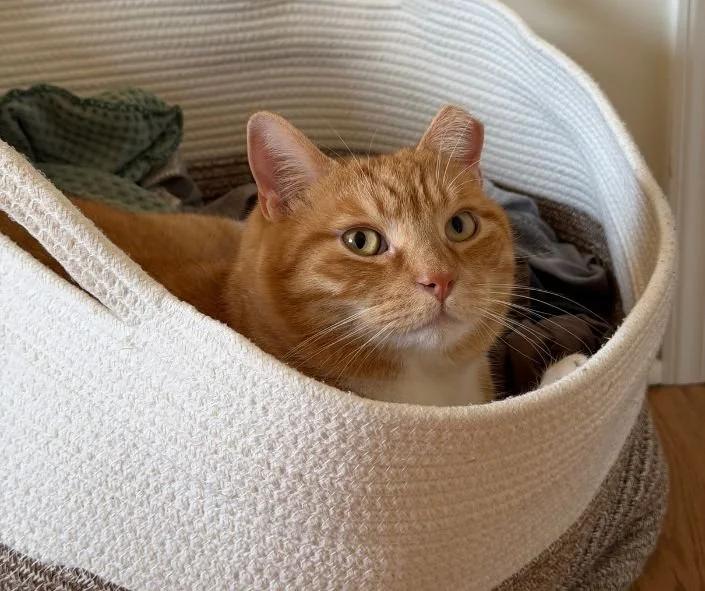
Veterinary guidance across the board remains consistent:
If dandruff is persistent or worsening, it should be evaluated.
Specifically when it appears alongside:
irritation or redness
noticeable discomfort
reduced appetite
or behavioral changes
Because at that point, the question is no longer “why is there dandruff?”
It’s “what else is happening?”
A Small Symptom That Gets Attention for a Reason
Dandruff doesn’t carry the urgency of more visible conditions.
It doesn’t stop a cat from eating.
It doesn’t typically interrupt routine behavior.
But it’s one of the few early signs that something may be shifting beneath the surface.
And in both rescue environments and homes, early signals tend to matter most.
What to Watch for Next
For cat owners noticing dandruff now, the next few days tend to provide clarity.
Is it improving?
Staying the same?
Expanding?
That progression—more than the flakes themselves—is what determines the next step.
Final Take
Across the US, dandruff isn’t being treated as an emergency.
But it isn’t being ignored either.
It’s being watched.
Because in many cases, it’s not the problem.
It’s the first sign of one.