
Published On: 3/13/2026
Last Updated On: 3/13/2026
By Callie, Seymour, Yebba, Tucker, and Mama and our Hooman Ashley!
FREE CAT HAIR HACKS
⬇️
FREE CAT HAIR HACKS ⬇️
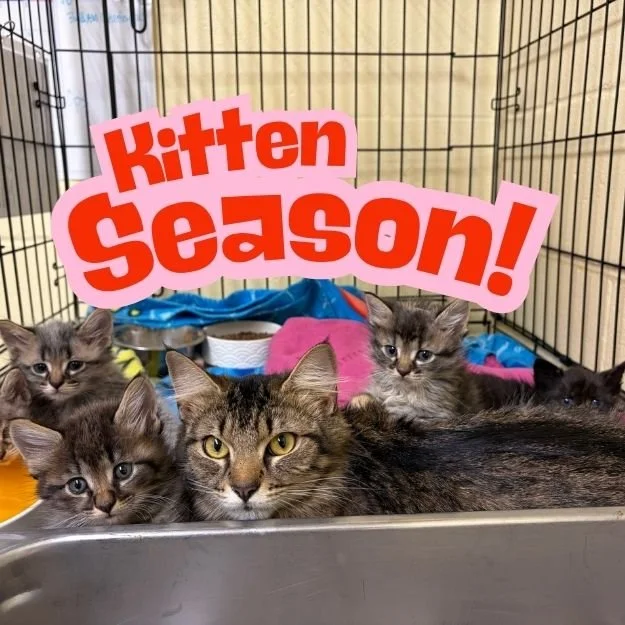
It Never Feels Urgent… Until It Is
We’ve been listening.
Not just to the words hoomans say—but to the spaces between them.
“It’s just one litter.”
“They’ll be fine.”
“We’ll figure it out.”
And we understand why it sounds reasonable in the moment. It doesn’t feel like a crisis. It doesn’t feel like something that needs to be handled right now.
But we’ve seen how these stories unfold.
And they don’t stay small for long.
Related Articles: What to Know About Kitten Season
How It Actually Begins
It doesn’t begin with overcrowded shelters or emergency intakes or long lists of kittens needing homes.
It begins quietly.
One unspayed cat.
One unexpected pregnancy.
One decision that gets pushed to “later.”
And then, a few months pass.
Kittens are born—tiny, fragile, completely dependent. For a moment, it feels hopeful. New life often does.
But what happens next is where the story changes.
Those kittens grow.
And unless something interrupts the cycle, they repeat it.
Again.
And again.
And again.
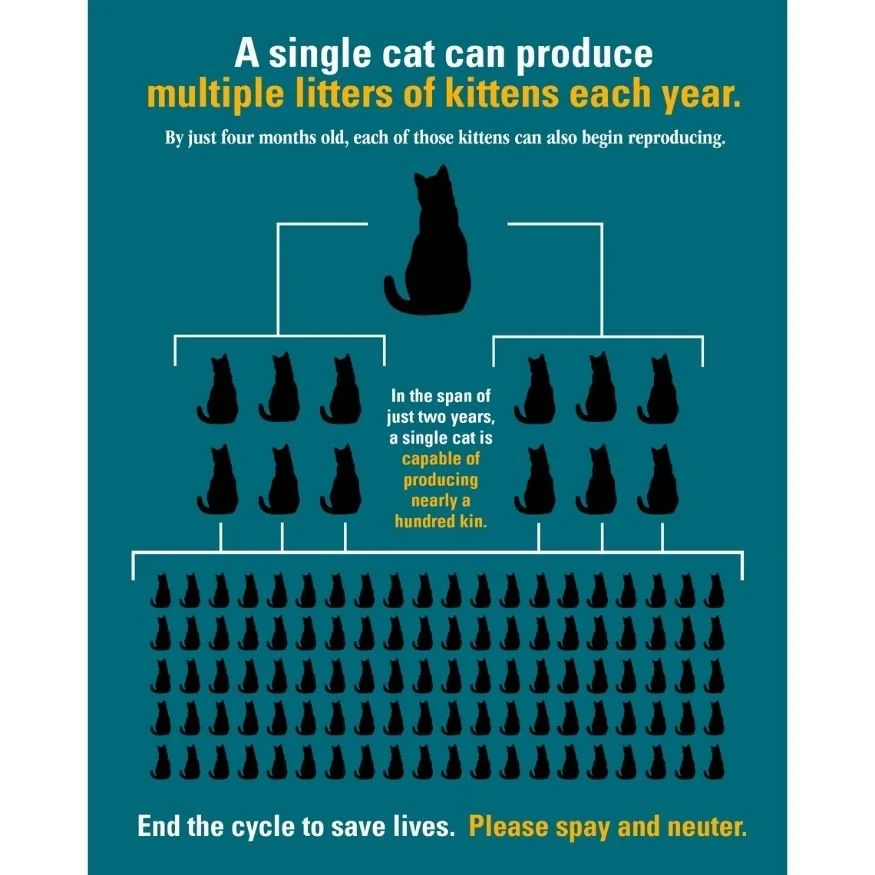
This is the part people don’t always connect when they search why spay and neuter cats—that the impact isn’t immediate, but it is exponential.
The Math No One Talks About
We’ve watched it happen in real time.
One litter becomes several.
Several become a colony.
A colony becomes something too large for one person—or even one organization—to manage.
This is what cat overpopulation in Pennsylvania looks like from the inside.
Not dramatic at first.
Just… accumulating.
More bowls needed.
More space required.
More medical care than anyone planned for.
Until suddenly, there are more cats than homes.
Where Those Cats Go
Some find their way to safety.
Rescues step in.
ARLs make room where they can.
Foster homes open their doors, reshaping their routines around tiny, vulnerable lives.
We’ve seen the inside of those homes—the careful feeding schedules, the late-night check-ins, the quiet hope that each kitten will make it through.
But not every cat gets that path.
Some remain outside.
Becoming part of what humans call community cat populations—living in alleyways, behind buildings, under decks. Surviving, but not always thriving.
And this is where the cycle continues… unless something changes it.
The Work That Interrupts the Cycle
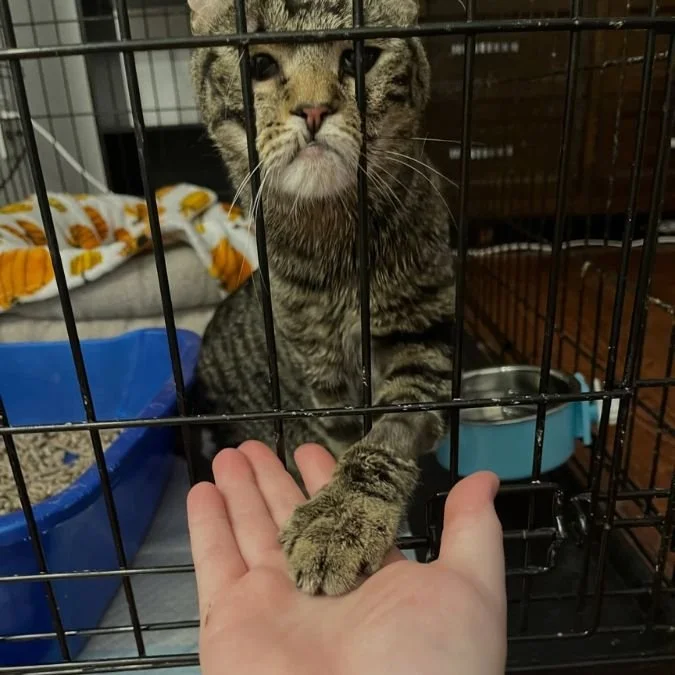
We’ve been watching something else, too.
A quieter kind of work. One that doesn’t always get attention, but changes everything when it’s done consistently.
Community cats TNR—trap, neuter, return.
It doesn’t look dramatic.
There are no big moments, no loud victories.
Just:
Cats being humanely trapped
Taken in for spay or neuter
Vaccinated
Then returned to their outdoor space—no longer able to reproduce
And slowly, over time, the cycle begins to slow.
Fewer litters.
Fewer emergencies.
Fewer kittens born into uncertainty.
It’s not instant.
But it’s effective.
Related Article: TNR - What is it and Why Should you TNR Stray Cats?
The Behavioral Shift Humans Don’t Expect
There’s another layer to this that often gets overlooked.
Spaying and neutering doesn’t just prevent kittens.
It changes how we live.
We’ve felt the difference.
Less urgency.
Less restlessness.
Less of that constant pull to roam, to search, to compete.
Homes feel calmer.
Communities feel more stable.
There are fewer fights, fewer injuries, fewer risks that come from instincts we can’t control.
It’s not about taking something away.
It’s about creating a safer, more balanced way to exist.
The Weight Carried by Rescues

We need to talk about something honestly.
Because we’ve seen it up close.
Rescues, shelters, and foster networks are doing everything they can—but they are often responding to a problem that could have been prevented earlier.
Every unplanned litter adds pressure.
More intakes.
More medical needs.
More time, space, and emotional energy required.
Even cat cafés—those soft, inviting spaces—often exist as an extension of this system, helping cats become adoptable, visible, chosen.
They are part of the solution.
But they shouldn’t have to carry the entire weight of prevention.
The Small Decision That Changes Everything
We’ve learned something about humans.
Change doesn’t usually come from one big moment.
It comes from smaller ones:
Scheduling an appointment instead of waiting
Choosing to spay or neuter before it becomes urgent
Supporting a local program doing TNR work
Sharing information so someone else understands sooner
These decisions don’t feel dramatic.
But they are powerful.
Because they stop the cycle before it starts.
Why We Keep Talking About This
At Stray Cat News, our mission is to uplift cat parents, rescues, and the entire cat community.
That means celebrating the good—but also telling the stories that prevent unnecessary suffering.
Spaying and neutering isn’t the most exciting topic.
It doesn’t have the same immediate emotional pull as a rescue story or an adoption.
But it is one of the most important choices a human can make for us.
Because it shapes the future we step into.
The Part Where You Decide
If this has been something you’ve been thinking about—putting off—unsure if it really matters…
It does.
More than you can see in the moment.
Because preventing one litter doesn’t just change one outcome.
It changes everything that would have followed.
And from where we sit…
That’s the kind of difference we always notice.