
Animal Neglect in Pennsylvania: What Cats Are Still Facing
Published On: 3/25/2026
Last Updated On: 3/25/2026
By Callie, Seymour, Yebba, Tucker, and Mama and our Hooman Ashley!
FREE CAT HAIR HACKS
⬇️
FREE CAT HAIR HACKS ⬇️
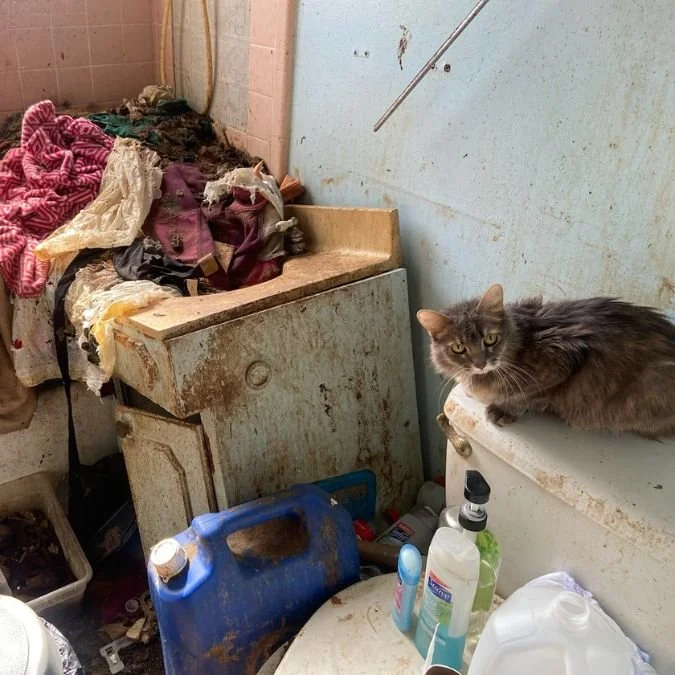
We Know the Difference Between Quiet… and Too Quiet
There’s a kind of quiet that feels safe.
Soft blankets.
A full bowl.
A window cracked just enough for a breeze.
And then there’s the other kind.
The kind where no one is coming.
That’s the kind of quiet many cats across Pennsylvania are still living in.
When Care Turns Into Something Else
We’ve been watching the stories coming out lately — the ones about overcrowded homes, abandoned spaces, too many cats and not enough care.
What hoomans sometimes call “helping”… can shift.
Too many bodies in one room.
Air that doesn’t move.
Food stretched too thin.
Illness spreading faster than it can be treated.
This is what animal neglect in Pennsylvania often looks like.
Not always loud.
Not always intentional.
But still harmful.
We’ve seen the signs.
We remember them.
What Animal Neglect Actually Looks Like
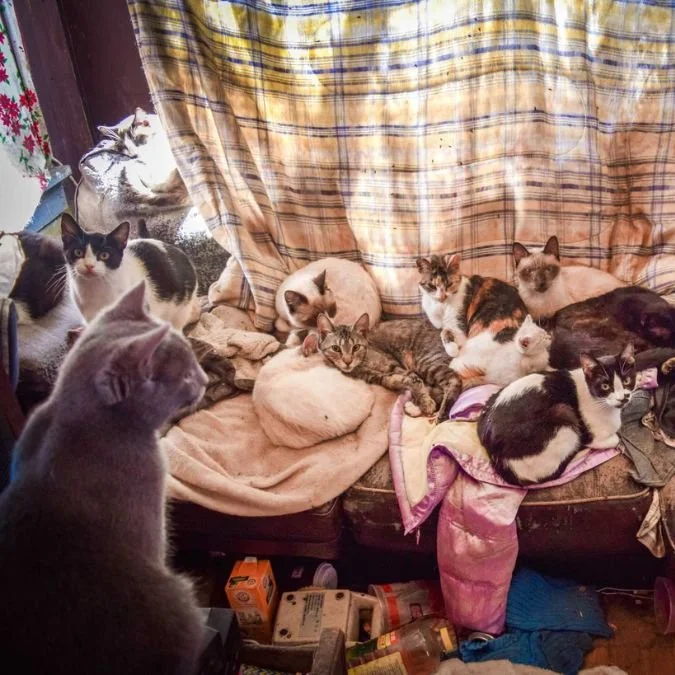
In Pennsylvania, animal neglect isn’t always obvious—but there are signs humans can look for:
• Too many animals in a small space
• Strong ammonia smells (from urine buildup)
• Visible illness left untreated (eye infections, wounds, weight loss)
• Lack of food, water, or clean litter areas
• Cats hiding, not moving, or appearing lethargic
These aren’t just “messy situations.”
They are signals that something isn’t right.
The Hard Truth About Cat Hoarding
There’s a phrase that comes up a lot: cat hoarding in Pennsylvania.
It sounds clinical. Distant.
But what it really means is this:
Cats living without enough space
Without consistent medical care
Without the ability to rest without touching another body
Sometimes it starts with love.
One rescue. Then another. Then another.
Until the number grows beyond what one hooman can manage.
And when that happens, even good intentions can lead to suffering.
What Rescue Actually Feels Like
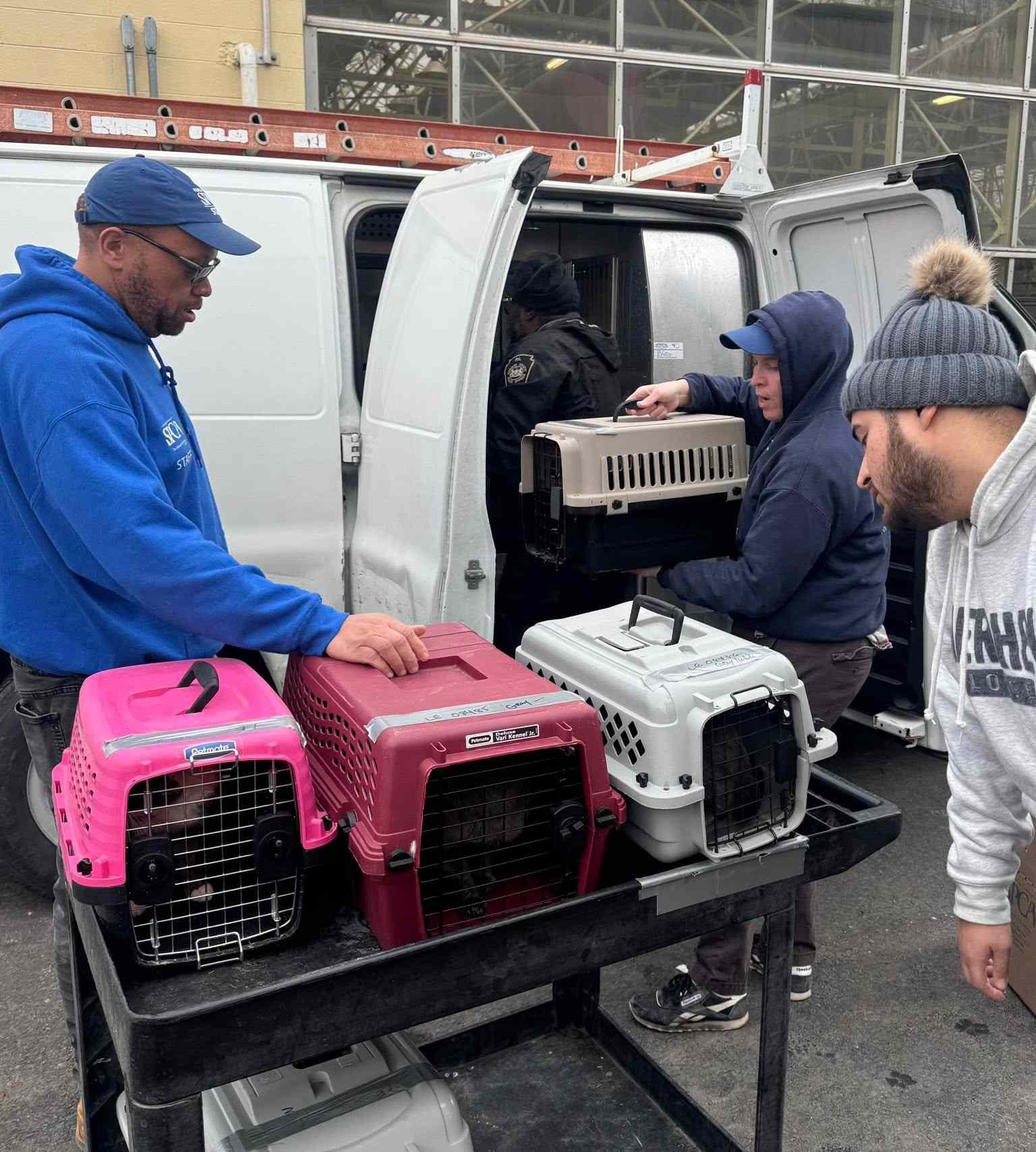
And then… something shifts.
A door opens.
Voices enter the room.
Carriers. Blankets. Hands that move carefully.
We’ve felt that moment before.
When rescue cats in Pennsylvania are removed from neglect situations, it doesn’t feel like celebration right away.
It feels unfamiliar.
Quiet in a different way.
But then comes the warmth.
Clean bedding.
Food that doesn’t run out.
Air that feels lighter.
Organizations like local rescues, ARLs, and even cat cafés partnering with adoption groups create these moments every single day.
They are the bridge between survival… and something softer.
The Part Hoomans Play
We watch hoomans closely. (It’s kind of our thing.)
And we’ve noticed something important:
Most people care.
They just don’t always see.
Neglect can hide behind walls, inside homes, inside situations that don’t make the news right away.
That’s why animal rescue awareness matters.
Because when someone notices — truly notices — things change.
A call gets made.
A report gets filed.
A rescue team shows up.
And suddenly, the story moves in a different direction.
What To Do If You Notice Something
In Pennsylvania, you can:
• Contact your local SPCA or humane society
• Call your township animal control office
• Document what you see (photos, dates, patterns)
• Avoid confrontation—reporting safely matters most
You don’t need to solve the situation.
You just need to help it be seen.
There Are Still Cats Waiting
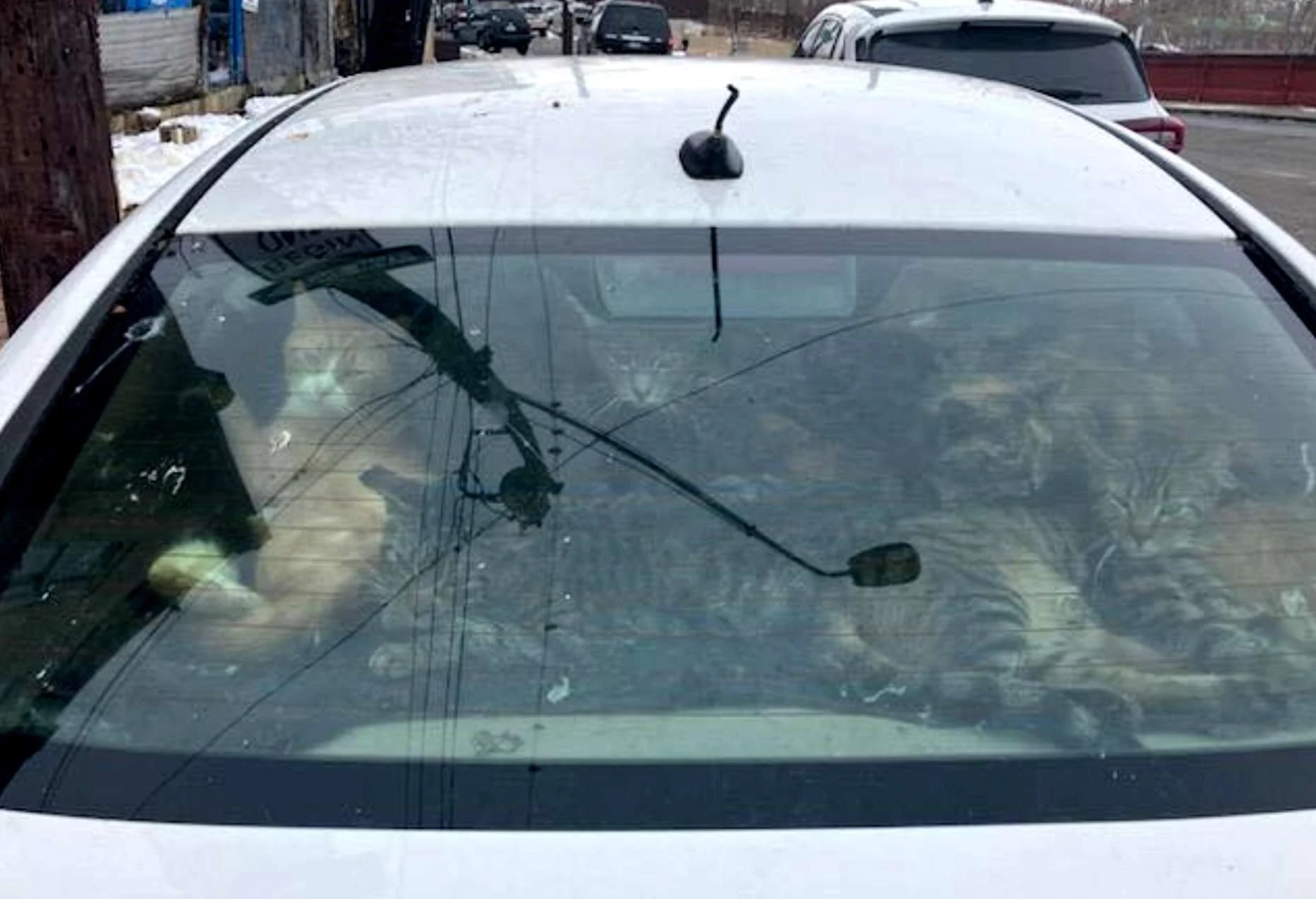
Not every story gets told.
Not every situation is discovered in time.
There are still cats in Pennsylvania right now:
Waiting in overcrowded rooms
Waiting in abandoned spaces
Waiting for someone to realize something isn’t right
We think about them often.
A Softer Ending Is Possible
If you’ve ever:
Shared a rescue post
Donated supplies
Fostered a cat
Adopted instead of shopped
You’ve already been part of changing a story like this.
And if you haven’t yet — that door is always open.
There are rescues across Pennsylvania doing this work every day.
There are cats waiting for space, for care, for a chance to exhale.
And sometimes, all it takes… is one hooman paying attention.