
ARL of Berks County Guide: What to Do If You Find a Cat
Published On: 3/27/2026
Last Updated On: 3/27/2026
By Callie, Seymour, Yebba, Tucker, and Mama and our Hooman Ashley!
FREE CAT HAIR HACKS
⬇️
FREE CAT HAIR HACKS ⬇️
Photo credits: John A. Secoges
What to Do If You Find a Cat in Berks County
If you find a cat outside in Berks County, your first instinct is usually compassion.
Pick them up.
Drive them somewhere.
“Rescue” them immediately.
But according to the Animal Rescue League of Berks County (ARL), intervention is not always the safest first step.
We recently spoke with Ashley, CEO of ARL, and Alyssa, Media & Communications Manager at the ARL, to better understand their official process when community members find kittens or adult cats outdoors. What follows reflects ARL’s current practices, philosophy, and operational structure in Berks County.
Not all shelters operate this way. Policies vary by region, funding model, municipal contracts, and capacity. This guide is specific to the Animal Rescue League of Berks County.
Their goal is simple: create understanding so residents can make informed, welfare-based decisions.
First Question: Is the Cat Sick or Injured?
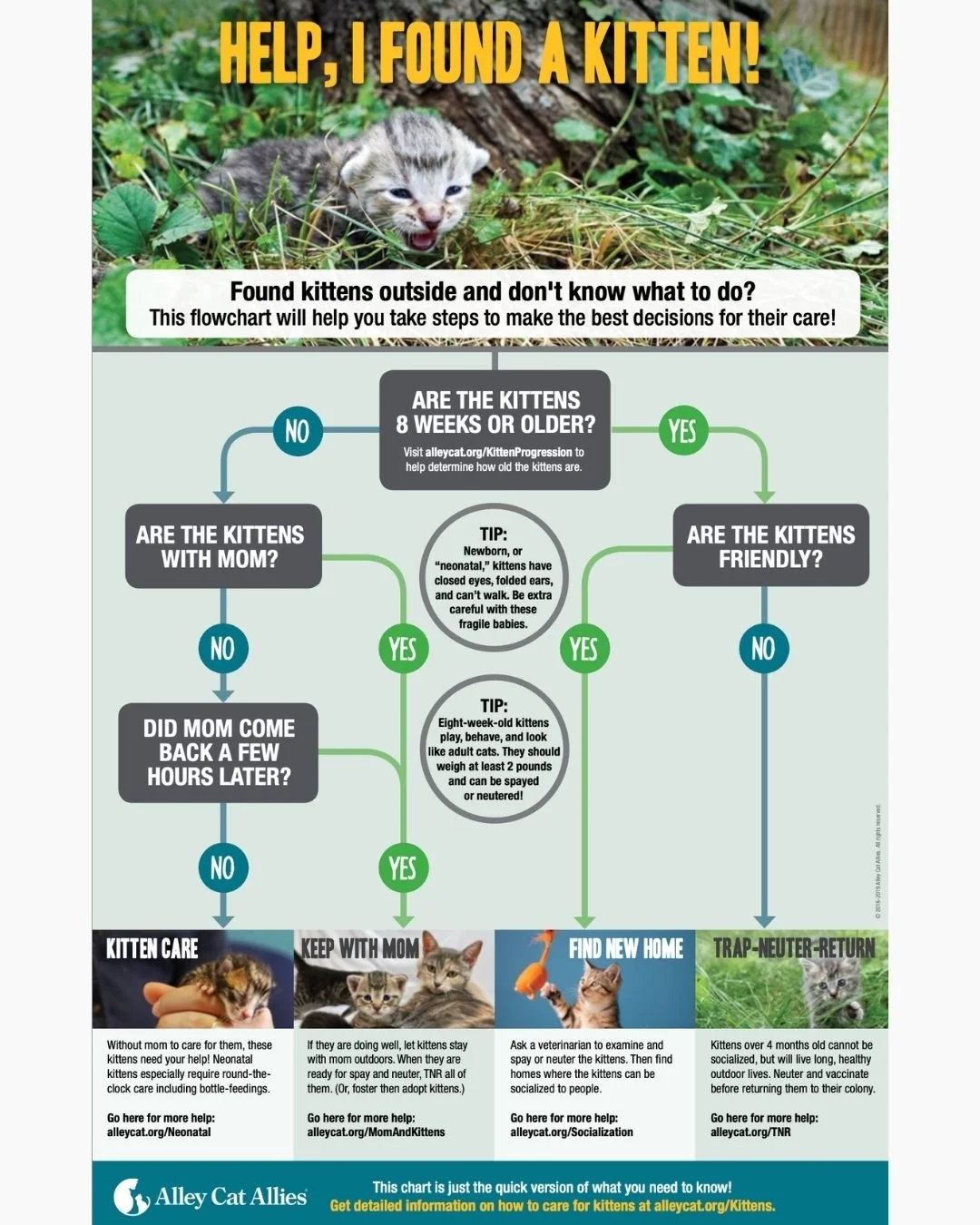
According to ARL, this is always the starting point.
If a cat is:
Bleeding
Limping
Severely underweight
Having difficulty breathing
Lethargic
Showing obvious signs of illness or injury
They should be brought to the Animal Rescue League of Berks County Pet Help Center or a local veterinarian to be checked in. The ARL will not turn away sick or injured cats, regardless of where they originated. At that point, their medical team evaluates:
Is the condition treatable?
Is the cat stable?
Is return to field possible after treatment?
Is humane euthanasia necessary due to severity?
These decisions are made by veterinary professionals based on medical assessment.
If the cat appears alert, mobile, and in good body condition, the ARL advises assessing the whole picture before immediately impounding at a shelter.
If You Find Kittens: ARL’s Guidance During Kitten Season
Berks County experiences an intense kitten season each year. During this time, ARL is often inundated with calls from concerned residents who believe kittens have been abandoned.
However, Alyssa and Ashley explained that most “orphaned” kittens are not actually abandoned.
Mother cats frequently:
Leave to hunt
Stay hidden nearby
Wait until humans leave before returning
Before intervening, ARL recommends assessing:
Are the kittens warm?
Are they quiet and sleeping?
Do they appear plump and well-fed?
If yes, observation is often the safest action.
In some cases, waiting up to 8 hours may be necessary to determine whether the mother returns.
A simple monitoring method ARL suggests is placing a light ring of flour around the kittens’ resting area. If the ring is disturbed, it indicates the mother likely returned while humans were away.
Removing kittens too early reduces their survival rates and places strain on already limited shelter resources.
For additional education, ARL frequently directs residents to trusted resources such as Alley Cat Allies’ guide on finding kittens outdoors, as well as ARL’s own community cat materials:
https://berksarl.org/research-and-resources-about-community-cats/
https://berksarl.org/frequently-asked-questions-about-community-cats/
Understanding the Difference: Stray, Feral, and Community Cats
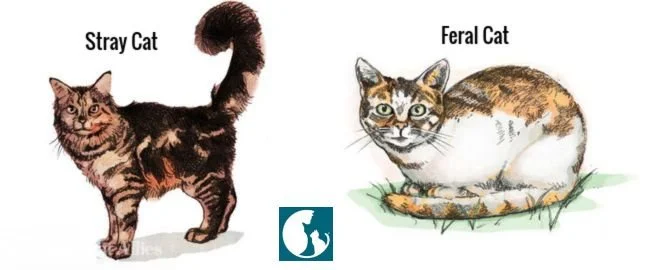
Ashley emphasized that one of the biggest misconceptions in the public is assuming that every outdoor cat is a “stray” that needs impoundment.
ARL distinguishes between:
Lost cats: Socialized to humans but found outdoors and struggling in their environment
Feral cats: Not socialized and typically avoid human interaction.
Community cats: Cats living outdoors who may be fed or monitored by neighborhood caretakers and may be friendly/outgoing towards humans.
This distinction matters because the appropriate response differs for each.
A healthy community cat may be safer remaining in their established outdoor territory than being brought into a shelter environment.
Cats generally maintain a one-mile radius territory. Removing them from that territory does not always improve their welfare.
Why ARL Does Not Automatically Impound Healthy Outdoor Cats
One of the most important aspects of ARL’s current model is managed admissions.
Ashley and Alyssa explained that ARL previously operated as an open-admission shelter, taking in at its highest approximately 11,000 animals annually. During that time, intake volume often outpaced available resources, leading to severe overcrowding and difficult euthanasia decisions.
Transitioning to a managed admissions system allowed ARL to balance:
Intake capacity
Medical staffing
Disease control
Community needs
Emergency cases
Large-scale cruelty or hoarding investigations
Even if visible cage space appears open on a given day, shelters must anticipate:
Incoming colony seizures
Hoarding cases
Medical emergencies
Municipal animal control obligations
Removing a healthy, thriving outdoor cat can expose them to stress and infectious disease in a confined shelter environment.
ARL’s process requires asking:
Does this cat truly need removal?
If the answer is no, return to field or community-based solutions may be more appropriate.
Return to Field (RTF): How ARL Evaluates It
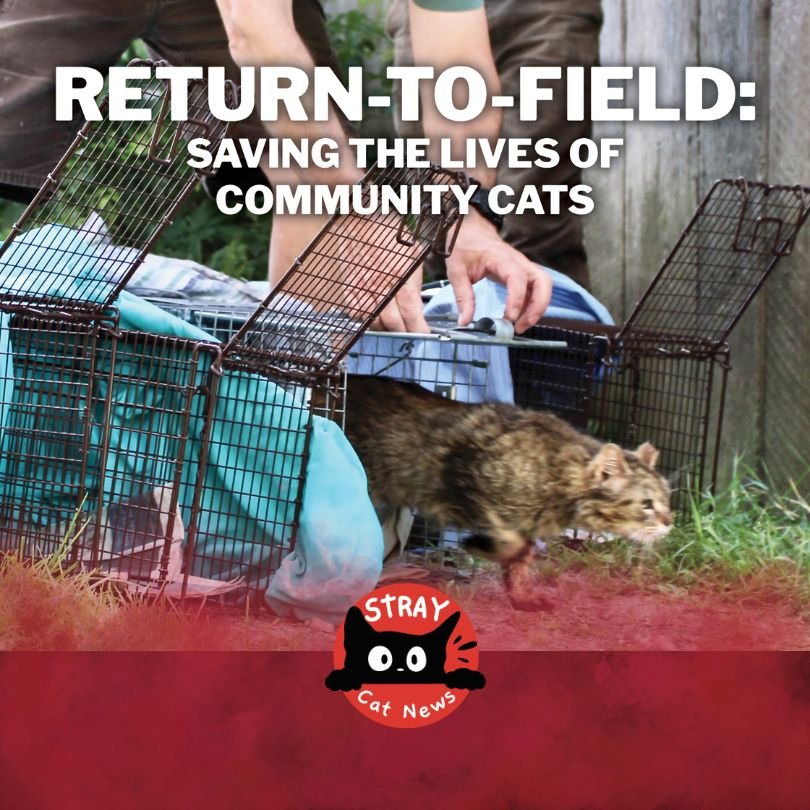
Return to Field is often misunderstood.
At ARL, RTF is not automatic. Cats must meet specific criteria before being considered eligible for return.
Those criteria include:
#1 Weather: it must not currently be in code red or code blue for a cat to be returned
Healthy body condition
Medical stability
Behavioral evaluation
Appropriate origin documentation
If a cat is assessed for RTF and does not adjust or fails certain behavioral indicators (for example, refusing to leave a carrier upon attempted return), ARL reassesses, returns the cat to the shelter, and may explore alternative placement options.
RTF is one tool within ARL’s broader capacity management strategy. It exists to prevent overcrowding while maintaining welfare standards.
Helpful Tool: Visit the ARL’s website for Code Blue / Code Red Announcements
Before Bringing in a Healthy Adult Cat
If you encounter a healthy adult cat outdoors in Berks County, ARL recommends:
Assess body condition.
Look for signs of injury or illness.
Consider whether the cat appears well-fed or groomed.
Speak to nearby neighbors.
Use lost pet tools.
ARL partners with Petco Love Lost, an AI-powered facial recognition platform that scans national lost pet databases. Uploading a photo can help determine if the cat is actively being searched for.
Local Facebook groups such as Berks Cat Search are also valuable.
In many cases, people are actively looking for their pet or its not lost at all! According to research from Best Friends Animal Society approximately 37% of owned cats have access to being indoor/outdoor.
Trap-Neuter-Vaccinate-Return (TNVR) in Berks County
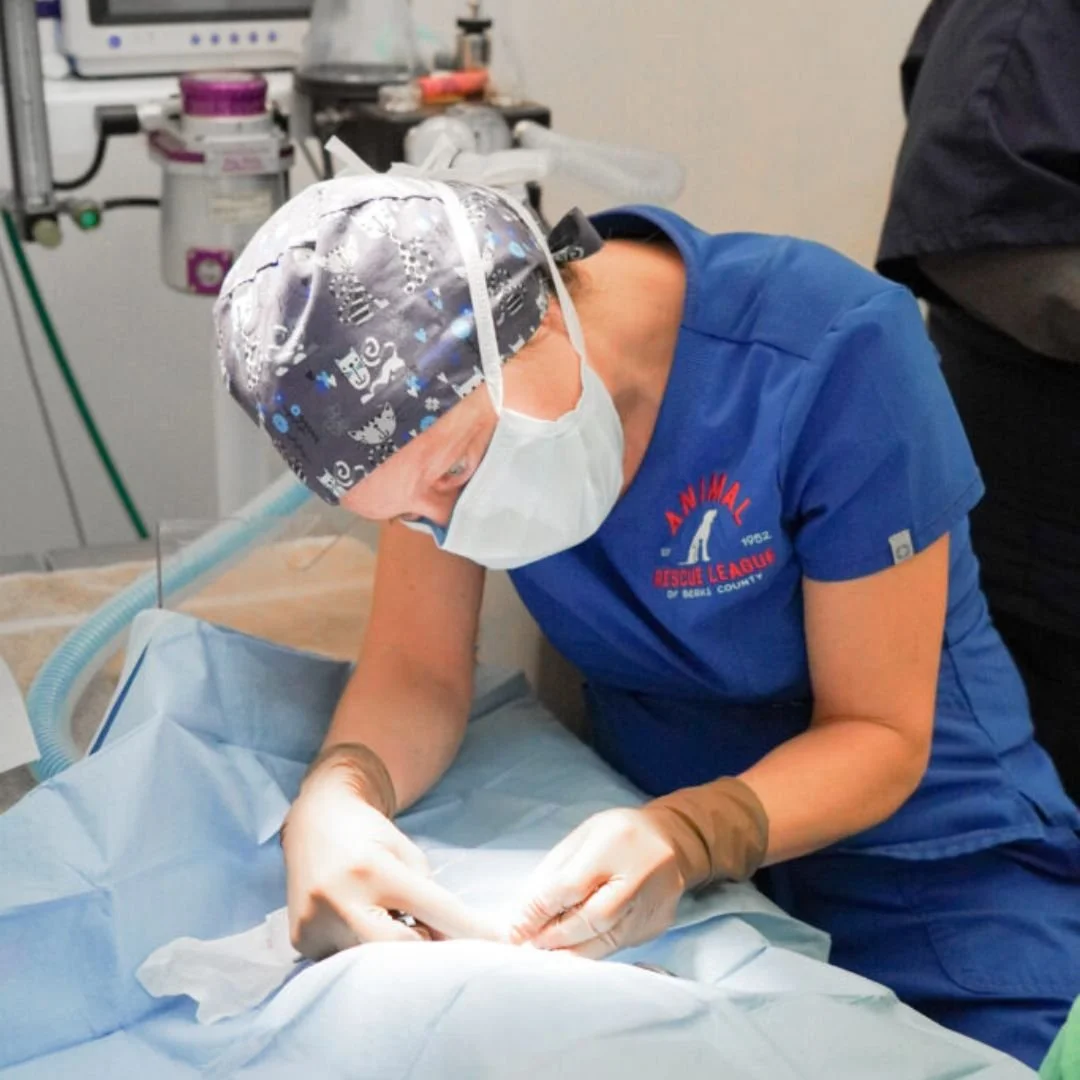
Traditional TNR is not included in all ARL animal control contracts. However, spay-neuter-vaccinate-return (SNVR) may qualify when animals meet eligibility requirements.
Some municipalities currently offering TNVR vouchers include:
Bern Township
Caernarvon Township
Leesport Borough
Union Township
Wyomissing Borough
Residents should contact their township office for voucher information and then schedule services with the ARL Medical Center at 610-373-8830 ext. 640.
ARL strongly advises:
Do not trap without a confirmed surgical plan in place.
Trapping without secured medical resources can create additional stress for both cats and caregivers.
The Role of Community Education
Ashley shared that one of ARL’s strategic priorities is education.
Shelters often do not have the opportunity to explain:
Why intake decisions are made
How capacity influences outcomes
Why not all cats benefit from impoundment
How prevention reduces suffering long-term
Community education allows residents to act responsibly and reduces unintentional harm.
How Residents Can Support ARL Beyond Adoption

“The ARL is proud to offer Animal Welfare education to community groups, with a focus on animal control, welfare, and humane law. Our team provides informative presentations designed to increase awareness, support compliance, and promote the humane treatment of animals within the community. If your group is interested in scheduling an educational session, please contact the ARL for more information.”
Support does not only mean adopting.
Residents can:
Attend fundraising events
Utilize educational resources
Share verified information
Support spay/neuter programs
Advocate for responsible intervention
Community support strengthens prevention and lifesaving capacity.
If you find a cat in Berks County, pause first.
Assess condition.
Observe kittens carefully.
Use lost pet tools.
Review ARL’s community cat resources.
Intervene when medically necessary.
This guide reflects the current process of the Animal Rescue League of Berks County. Policies in other regions may differ.
Education and thoughtful intervention protect both cats and the community.