
Best Kitten Food Brands: Vet-Backed Picks for Healthy Growth
Published On: 5/6/2026
Last Updated On: 5/6/2026
By Callie, Seymour, Yebba, Tucker, and Mama and our Hooman Ashley!
BERKS COUNTY, PA — What Actually Matters When Choosing Kitten Food
For most new cat owners, the question shows up quickly:
What should I be feeding my kitten?
It’s a simple question—but not a simple decision.
Across Berks County, local veterinarians, foster networks, and rescue groups consistently point to one reality: nutrition in the first year of a kitten’s life plays a direct role in long-term health.
And while shelves are filled with options labeled “kitten,” the differences between them aren’t always obvious.

Best Kitten Food Brands: Vet-Backed Picks for Healthy Growth
Why Kitten Nutrition Is Different From Adult Cats
Kittens are in a rapid growth phase that requires more than just smaller portions of adult food.
They need:
Higher protein levels to support muscle development
Increased calories for sustained energy
DHA (an omega-3 fatty acid) for brain and vision development
Balanced calcium and phosphorus for bone growth
Because of this, most veterinary guidelines recommend feeding a kitten-specific diet until at least 10–12 months of age.
Feeding adult food too early can result in nutritional gaps—even if the kitten appears to be eating normally.
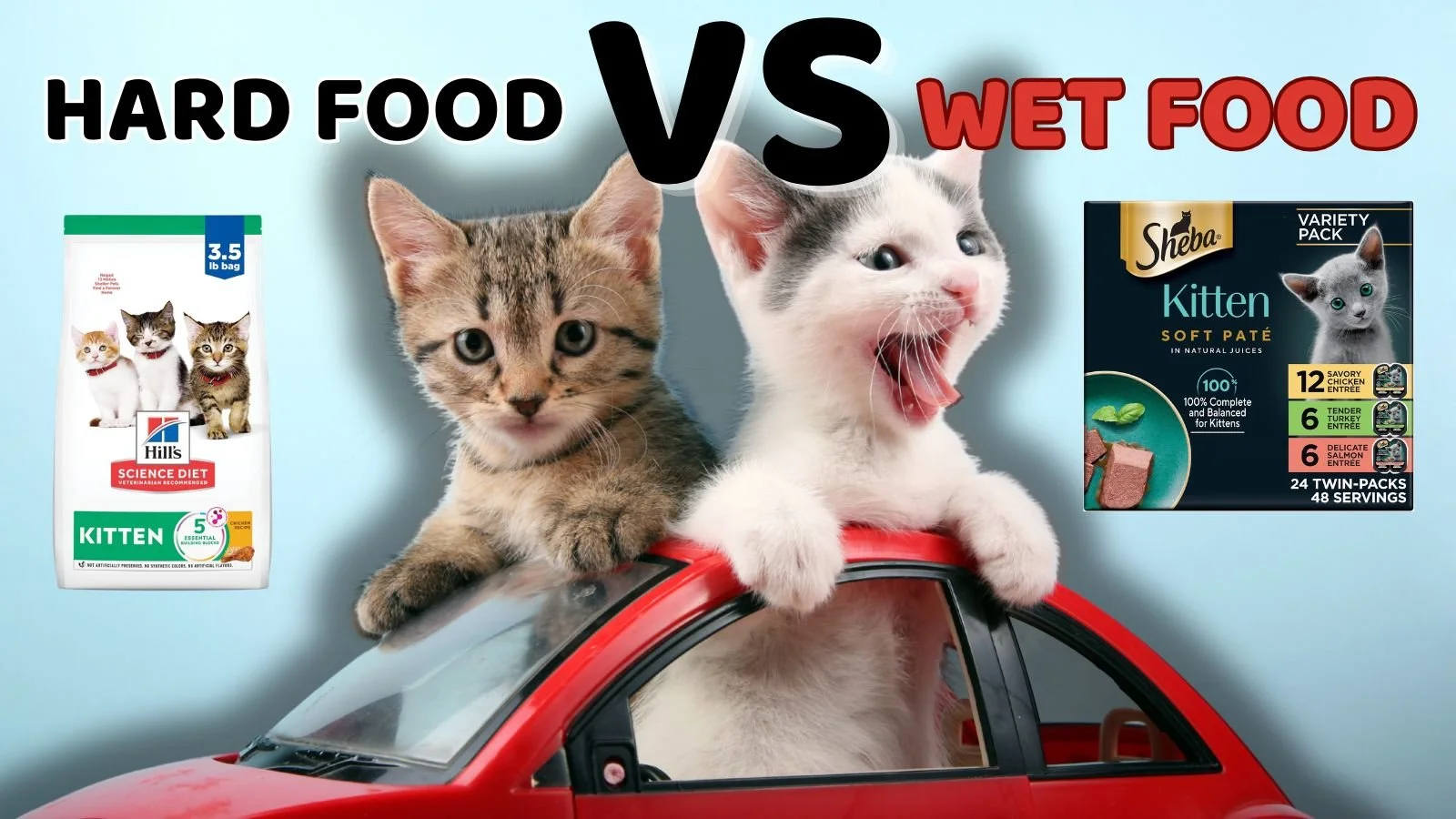
The Two Main Types of Kitten Food
The Two Main Types of Kitten Food
Most kitten diets fall into two categories: dry food (kibble) and wet food (canned or pouch).
Each serves a different purpose.
Dry Food (Kibble)
Dry food is often chosen for convenience and cost.
What it does well:
Easy to store and portion
Can be left out for grazing
More cost-effective over time
What to watch for:
Lower moisture content
Some kittens may overeat if free-fed
Quality varies significantly by brand
Wet Food (Canned / Pâté)
Wet food plays a different role—especially early on.
What it does well:
High moisture content supports hydration
Easier for young kittens to eat
Often more appealing (strong smell + soft texture)
What to watch for:
Higher cost per serving
Needs refrigeration after opening
Must be fed on a schedule (not left out long)
Why Many Vets Recommend a Combination

Rather than choosing one over the other, many veterinarians and rescues recommend a mixed feeding approach.
This allows kittens to benefit from:
hydration (wet food)
structure and accessibility (dry food)
It also helps prevent food selectiveness later in life.
(We’ve seen what happens when a cat decides it will only eat one very specific texture. It’s… limiting.)
What to Look for
Beyond brand names, there are a few indicators that consistently matter more than marketing.
✔️ AAFCO Statement
Look for language confirming the food meets standards for “growth” or “all life stages.”
✔️ Named Protein Source
Chicken, turkey, or fish listed clearly as the first ingredient.
✔️ Consistent Formulation
Frequent switching between foods can disrupt digestion.
✔️ Kitten-Specific Labeling
Not all “all life stages” foods are ideal for growth.
Common Feeding Mistakes (Seen Locally)
Through local fosters and rescue work, a few patterns come up repeatedly:
❌ Switching foods too quickly
Kittens need gradual transitions (5–7 days)
❌ Feeding only dry food
Can lead to low hydration
❌ Overfeeding treats
Can disrupt balanced nutrition
❌ Ignoring appetite changes
Sudden refusal to eat is often a warning sign
When Food Becomes a Health Concern
Sometimes the question isn’t just what to feed—but whether something is wrong.
You should contact a veterinarian if your kitten:
Refuses food for more than 24 hours
Experiences vomiting or diarrhea
Shows low energy or weight loss
Has difficulty chewing or swallowing
In these cases, nutrition becomes part of a larger medical picture.
The Bigger Picture: What We’re Seeing in Rescues
In local rescue environments, nutrition is often the first variable adjusted—and one of the most impactful.
Kittens that receive:
consistent feeding schedules
balanced nutrition
proper hydration
tend to stabilize faster, gain weight more reliably, and transition more easily into adoptive homes.
It’s not just about feeding.
It’s about setting a baseline for everything that follows.
Reference Guide: Common Kitten Food Brands
Below are commonly used options across veterinary offices, rescues, and homes. These are included as reference points—not prescriptions.
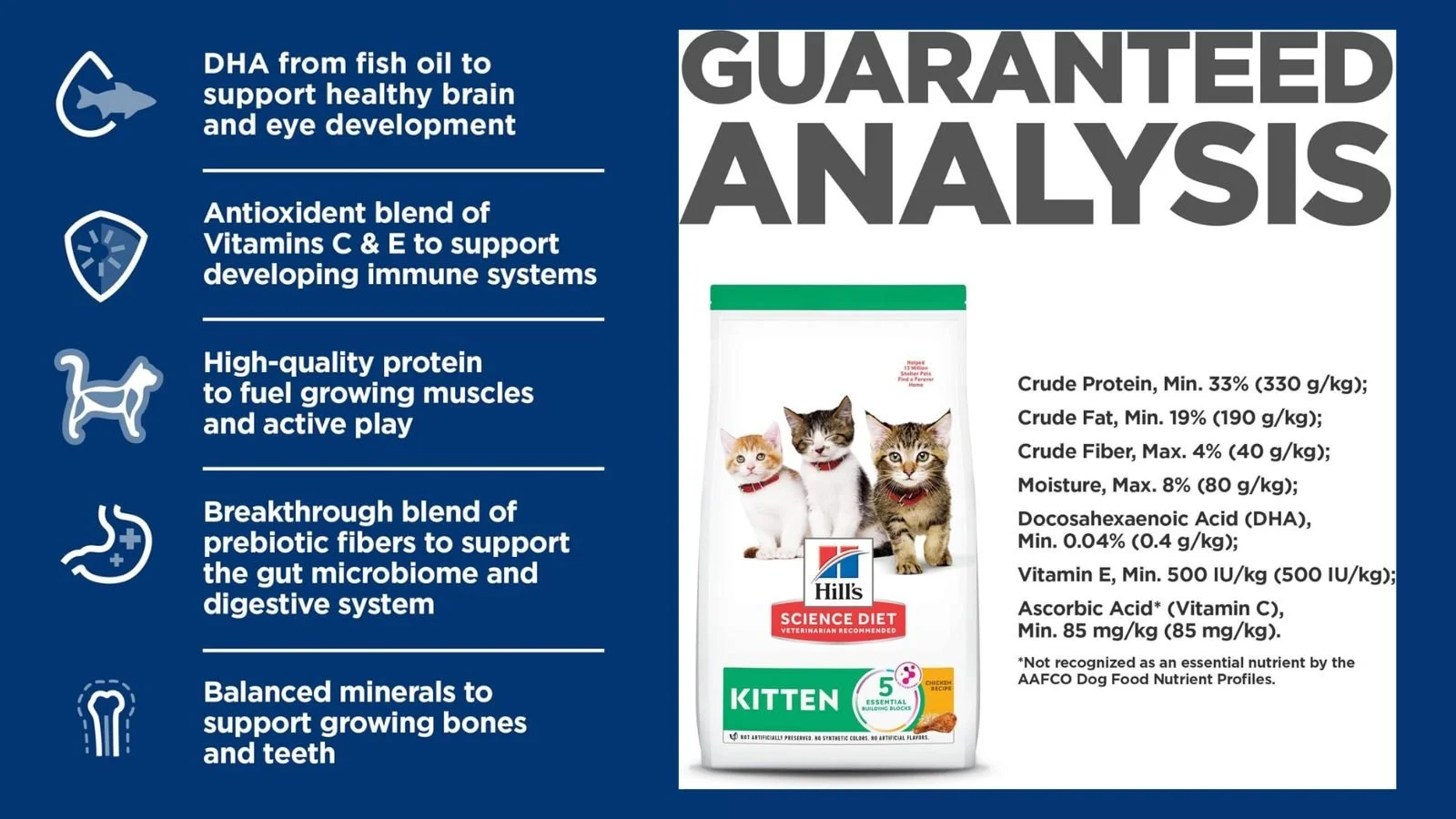
Hill's Science Diet Kitten Chicken Recipe dry food is specially formulated to fuel the energy needs of kittens, and support their developmental needs to help start life with healthy growth and a strong immune system. Now there is even more to love with a breakthrough blend of prebiotic fibers, ActivBiome+ Digestion, to support the gut microbiome and digestive system.
Pros:
Widely vet-recommended
Balanced nutrients with DHA
Consistent quality control
Considerations:
Higher price point
Some kittens may prefer softer textures early on
IAMS Proactive Health Kitten (Dry)
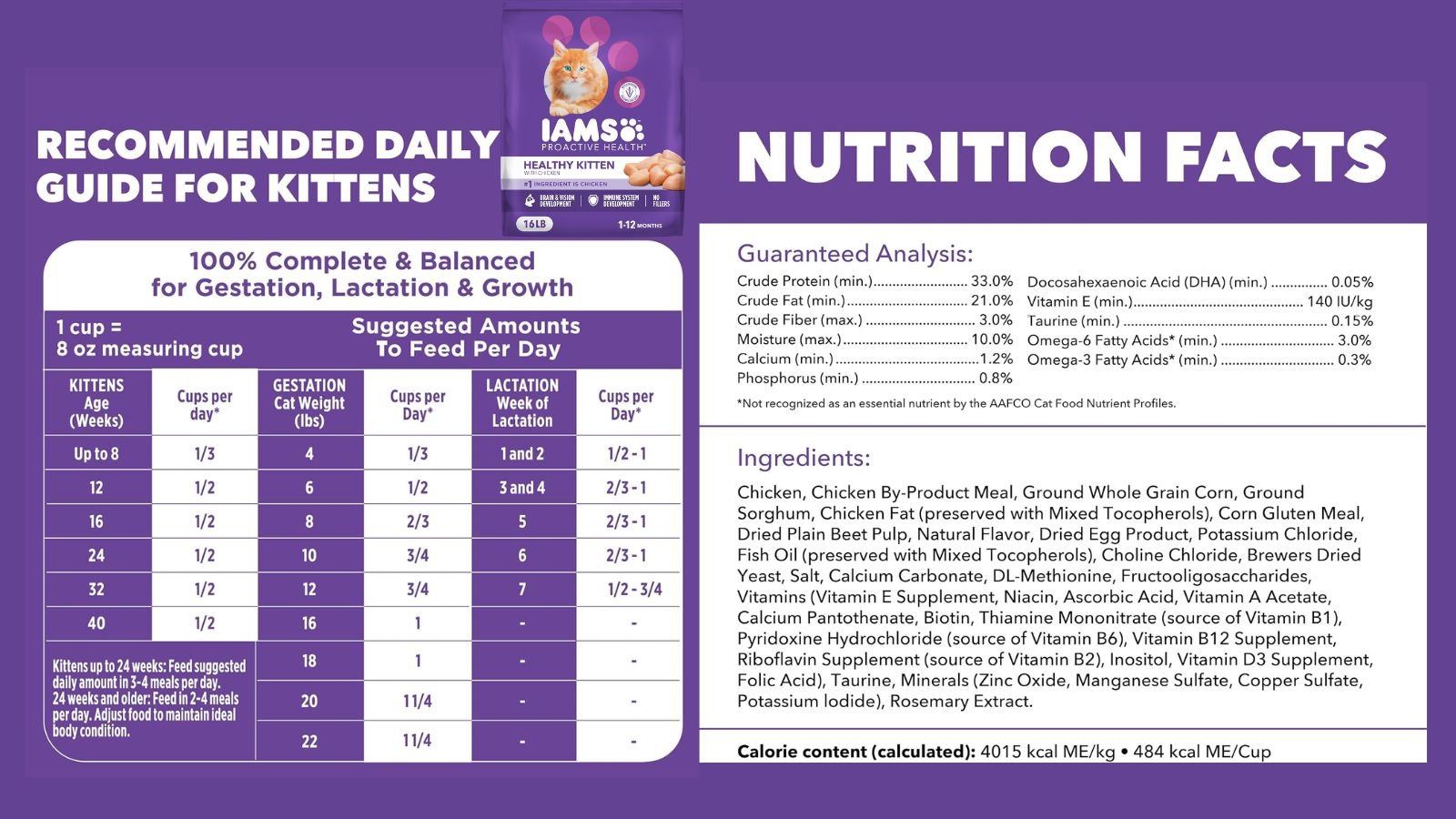
Veterinarians recommend IAMS. This kitten food dry recipe, ideal for daily feeding by kitten owners who want healthy pets, draws on 80 years of science to select high-quality ingredients. These recipes provide 100% complete and balanced nutrition tailored to your kitten’s early life stage.
Pros:
Affordable and accessible
Reliable protein content
Common in multi-cat homes
Considerations:
Ingredient quality varies by formula
Not ideal for very picky eaters
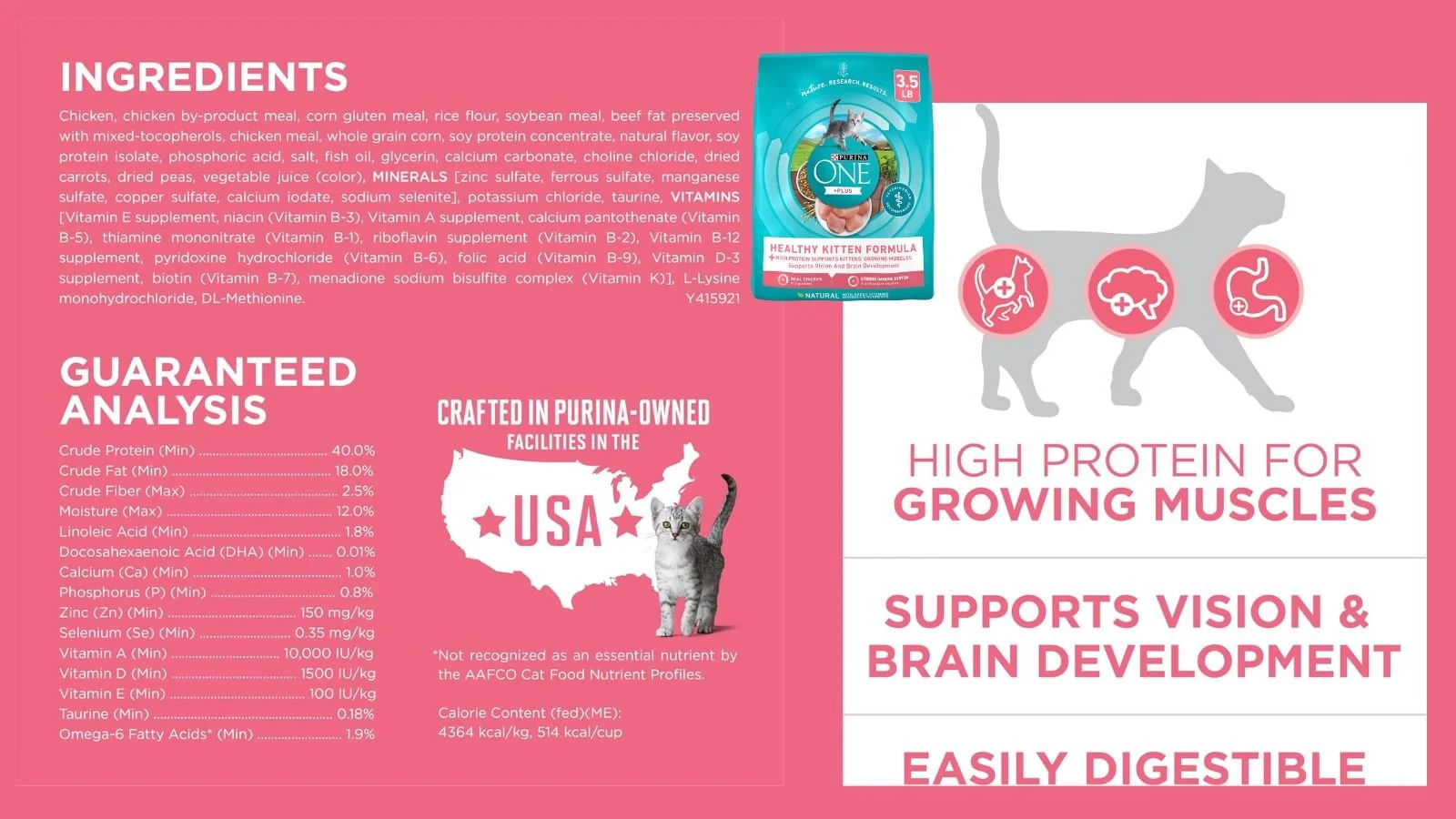
Support your growing kitten with Purina ONE +Plus Healthy Kitten Formula dry cat food. Real chicken is the number 1 ingredient in this high protein dry kitten food to support growing muscles. Purina ONE for kittens contains a SmartBlend of high-quality ingredients, plus DHA, a nutrient found in mothers' milk, helping with brain and vision development.
Pros:
Strong protein base
Widely available
Balanced option for the price
Considerations:
Some formulas include fillers
Texture may not suit all kittens
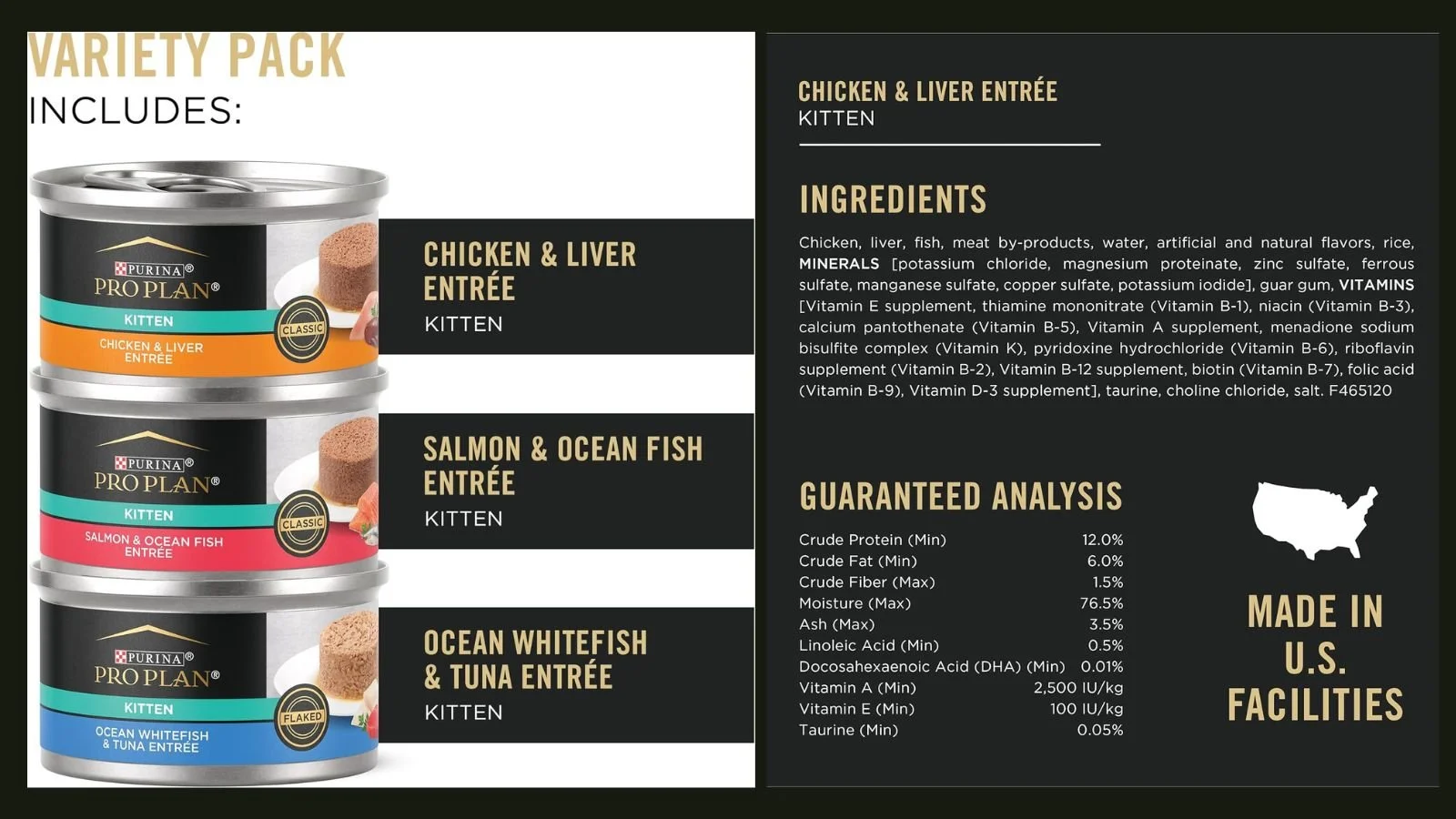
Satisfy your kitten's tiny taste buds with this Purina Pro Plan DEVELOPMENT Kitten Favorites wet kitten food variety pack. Each tasty kitten wet food formula has real poultry or fish paired with other high-quality ingredients. Every ingredient in this can kitten food has a specific purpose.
Pros:
High-quality protein
Vet-backed brand
Good for growth and recovery
Considerations:
Higher cost per serving
Some kittens may prefer pâté over chunks
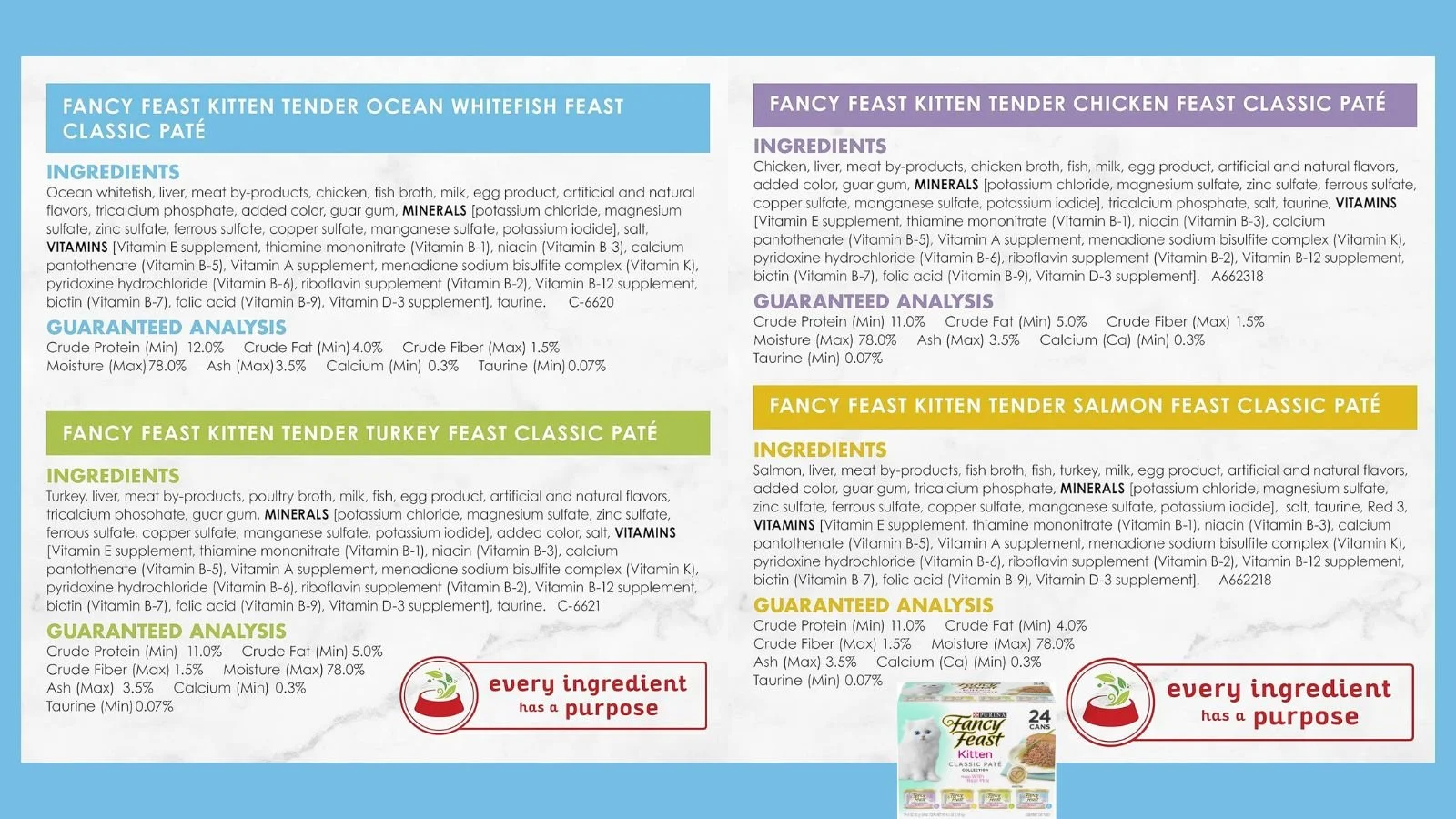
Get your adorable kitten off to a great start in life by filling her dish with the delicious recipes contained in the Purina Fancy Feast Tender Feast wet kitten food variety pack. Ocean Whitefish, Turkey, Chicken and Salmon formulas with a touch of real milk provide high-quality protein to help support her growing muscles.
Pros:
Soft, easy-to-eat texture
Highly palatable
Frequently used in rescue care
Considerations:
Lower perceived “premium” quality
Not ideal as a sole long-term diet
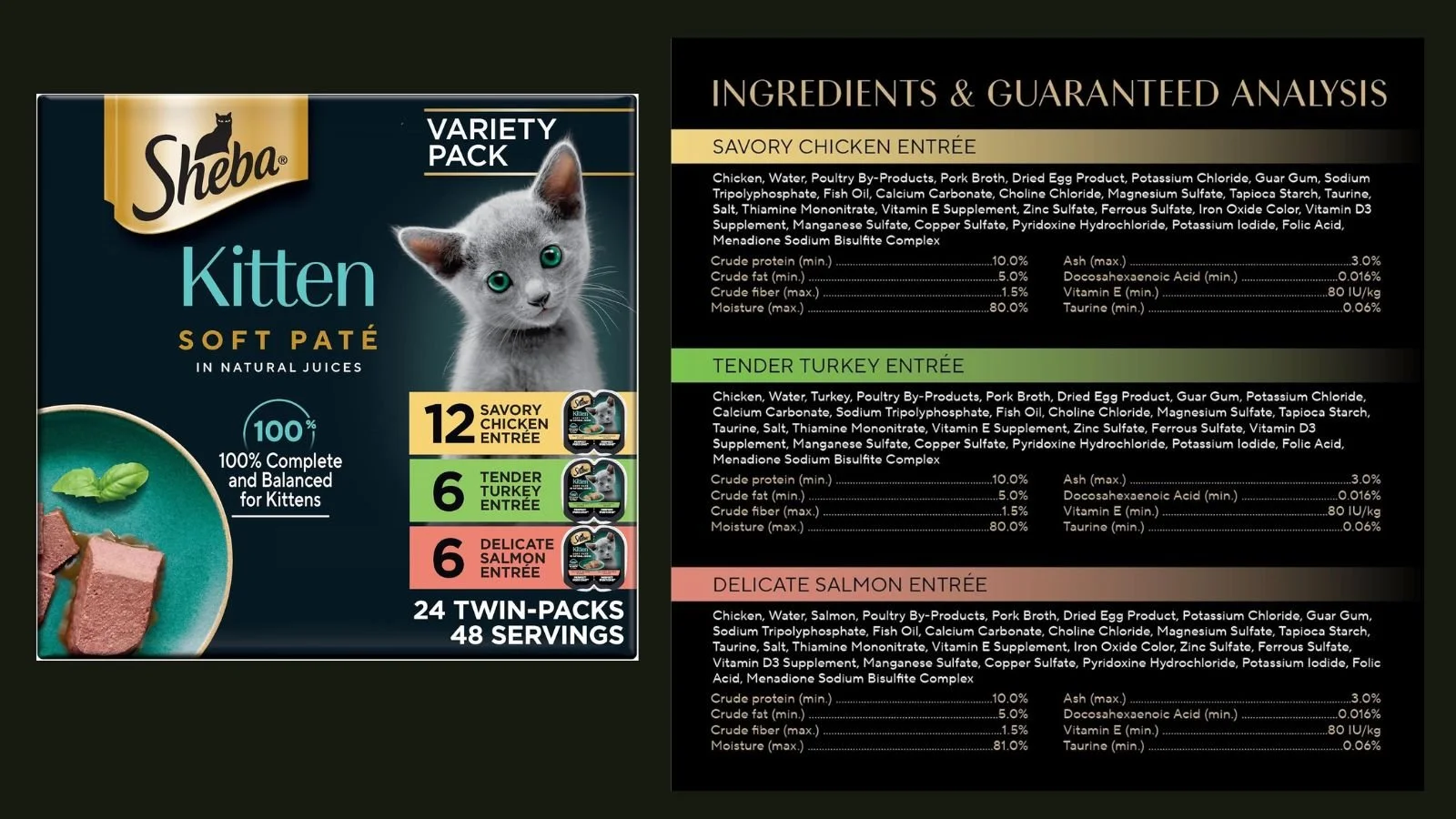
Your kitten knows what they want – the delicious taste of Sheba Perfect Portions Kitten Wet Cat Food. Sheba has crafted a meal that is complete and balanced for growth. This kitten wet food is nutrient-rich with essential vitamins and minerals to help support overall health.
Pros:
Pre-portioned servings
Freshness control
Good for portion management
Considerations:
Packaging waste
Smaller serving sizes
What to Do Next
If you’re deciding now, keep it simple:
✔️ Start with a kitten-specific formula
✔️ Combine wet + dry if possible
✔️ Monitor how your kitten responds
✔️ Adjust gradually
If something feels off, trust that instinct.
Because early decisions around food tend to have lasting effects.