
Why Is My Cat Sneezing? When to Worry & What to Do
Published On: 5/4/2026
Last Updated On: 5/4/2026
By Callie, Seymour, Yebba, Tucker, and Mama and our Hooman Ashley!
BERKS COUNTY, PA — Why Is My Cat Sneezing? What Local Pet Owners Should Know
It usually starts small.
A single sneeze from across the room.
Then another.
Then a pause where you find yourself watching a little more closely than you were before.
And suddenly, the question shows up:
Why is my cat sneezing—and is this something I need to worry about?
Across Berks County and beyond, it’s one of the most common concerns cat parents run into—and one of the most misunderstood.
Because sometimes it’s nothing.
And sometimes… it isn’t.
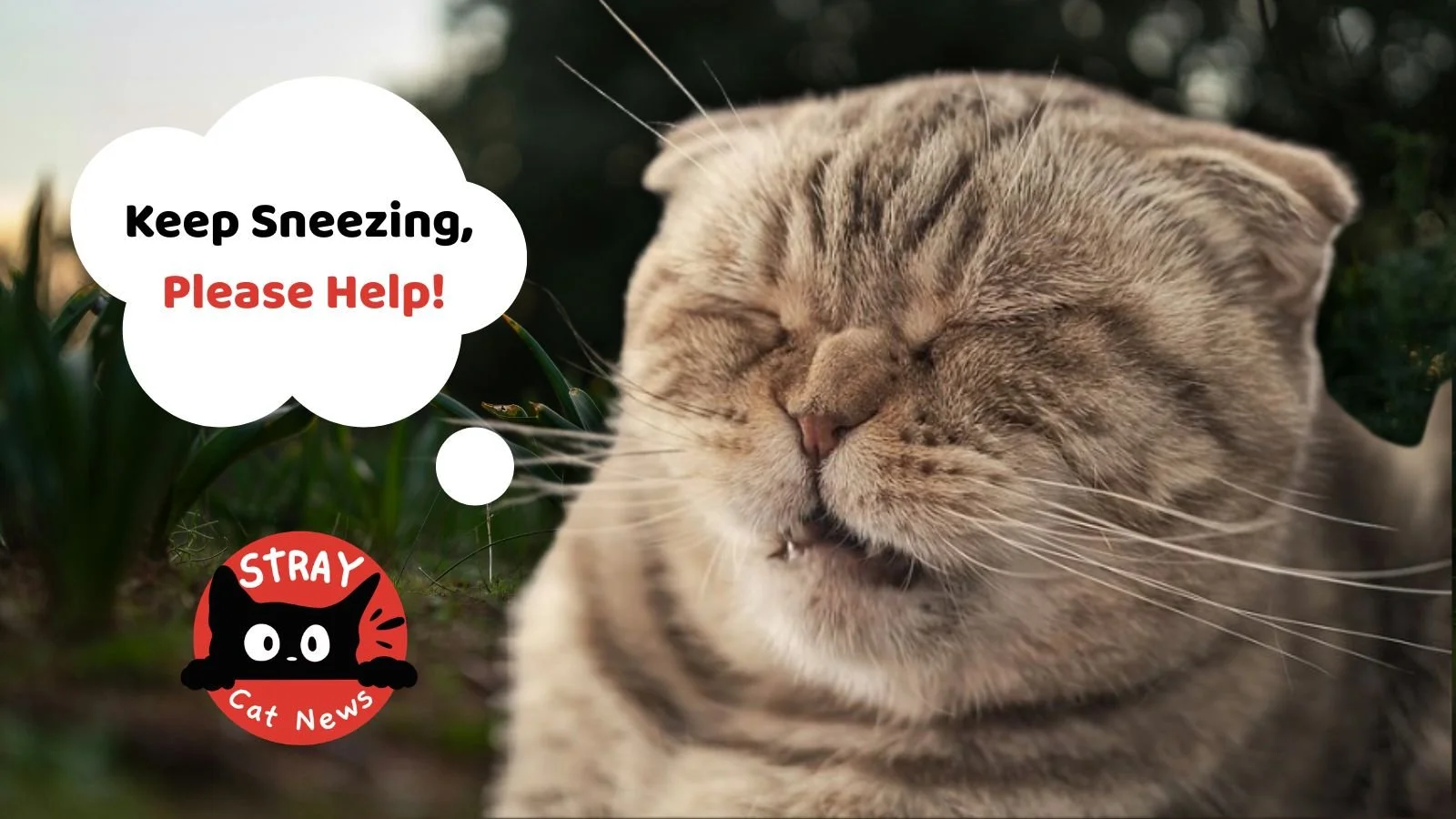
What Causes Cat Sneezing?
At a basic level, sneezing is a protective reflex. It’s your cat’s way of clearing irritants from their nose.
But the reason behind it can vary widely.
Common Causes Include:
Dust, litter, or environmental irritants
Strong scents (cleaners, candles, perfumes)
Seasonal allergens
Minor nasal irritation
In these cases, sneezing is usually:
Occasional
Short-lived
Not paired with other symptoms
And yes—we’ve absolutely sneezed dramatically over a poorly timed litter box refresh.
When Sneezing Becomes Something More
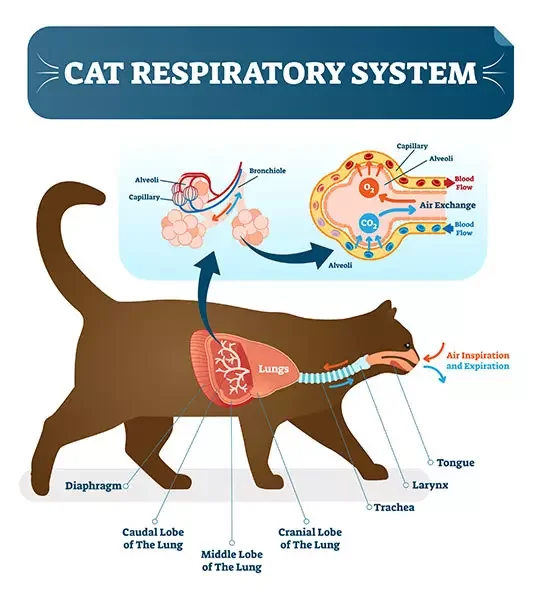
Where things shift is when sneezing stops being occasional… and starts becoming consistent.
Because in many cases, repeated sneezing in cats points to an underlying issue—most commonly a respiratory infection.
Signs It May Be More Serious:
Frequent or continuous sneezing
Nasal discharge (clear, yellow, or green)
Watery or inflamed eyes
Lethargy or hiding
Loss of appetite
Open-mouth breathing or congestion sounds
These symptoms often indicate upper respiratory infections (URIs), which are especially common in:
Shelter environments
Multi-cat households
Recently adopted cats
And while some cases resolve with supportive care…
others require medical attention.
The Most Common Medical Cause: Upper Respiratory Infections
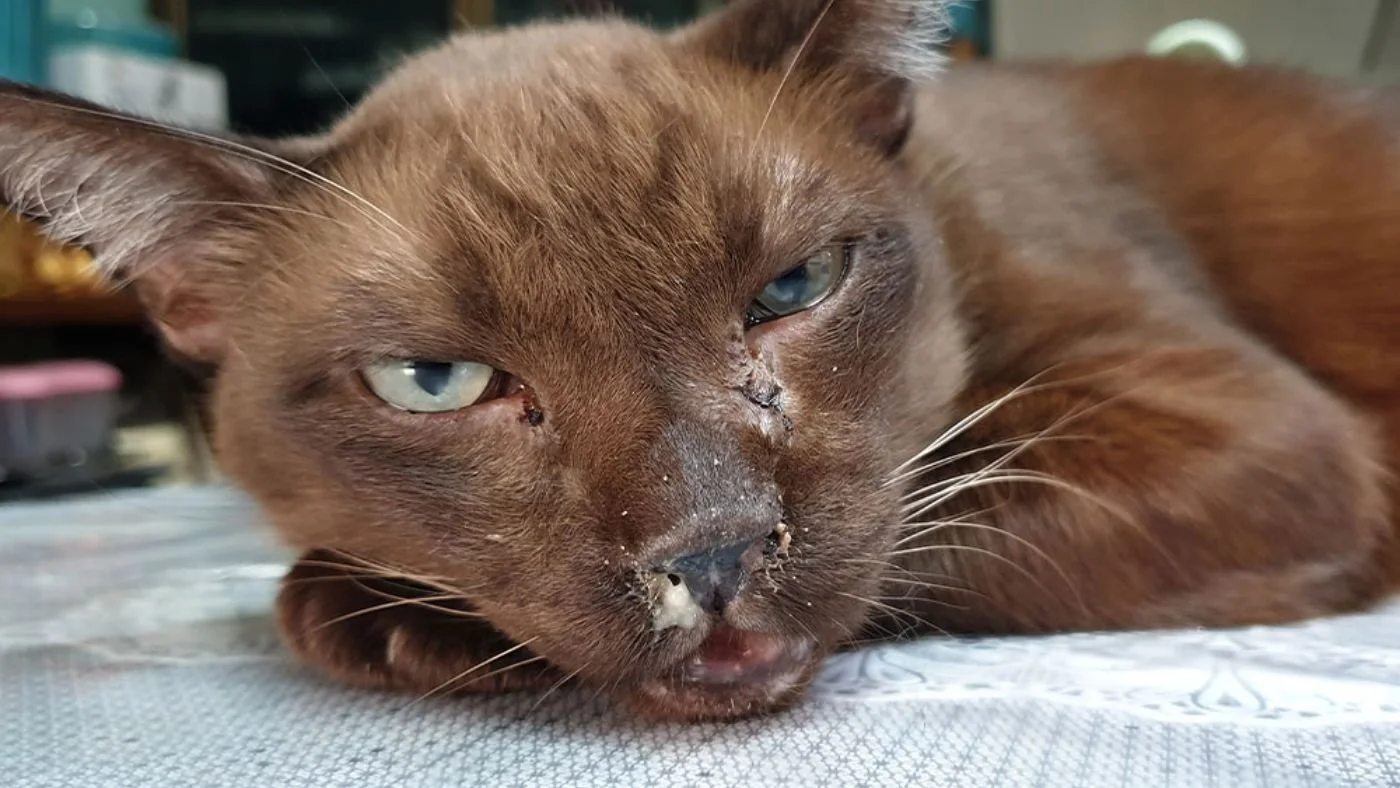
Upper respiratory infections in cats are often compared to a human cold—but they can escalate more quickly.
They’re typically caused by viral infections like:
Feline herpesvirus
Calicivirus
And once present, they can:
Flare up during stress
Persist in cycles
Spread between cats
This is something we see often through local rescues and community cat work—especially in high-density environments.
Which is why early awareness matters.
When to See a Vet
This is where most people hesitate.
“How long do I wait?”
“Am I overreacting?”
So here’s the grounded answer:
You should contact a vet if:
Sneezing lasts more than a few days
There is any colored discharge
Your cat stops eating or drinking
Breathing seems labored or noisy
Symptoms worsen instead of improve
Because by the time symptoms are obvious…
your cat has likely been dealing with it longer than you realize.
And early intervention is almost always:
Less expensive
Less invasive
More effective
What You Can Do at Home (Short-Term Support)
If symptoms are mild and recent, there are a few ways to support your cat while monitoring closely:
Keep their environment low-dust and fragrance-free
Use a humidifier or bring them into a steamy bathroom briefly
Encourage hydration (wet food, fresh water)
Gently wipe away discharge if present
But this is important:
These are supportive measures—not replacements for care.
If symptoms persist, a vet visit isn’t optional.
Why This Matters More Than It Seems
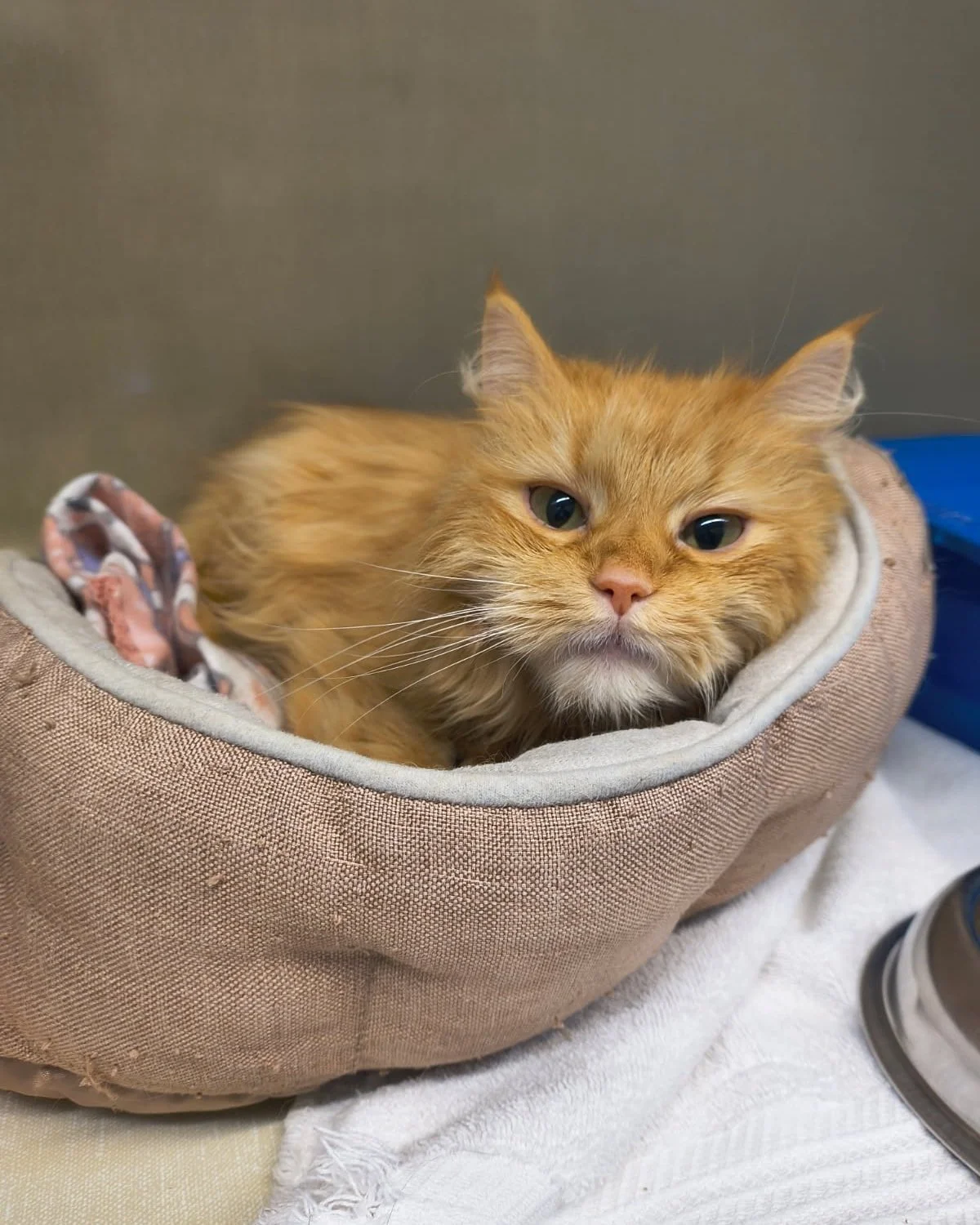
Sneezing is easy to dismiss.
It doesn’t feel urgent.
It doesn’t feel like an emergency.
But in rescue work—and in homes—we’ve seen how quickly “just sneezing” can turn into:
Full respiratory infections
Appetite loss
Dehydration
Longer recovery timelines
And the difference often comes down to how early someone acted.
The Bottom Line
If you’re asking, “why is my cat sneezing?”—you’re already paying attention.
And that’s the right first step.
The next one is knowing when to move from watching…
to acting.
Because your cat won’t tell you it’s getting worse.
But the signs are there if you know what to look for.
What to Do Next
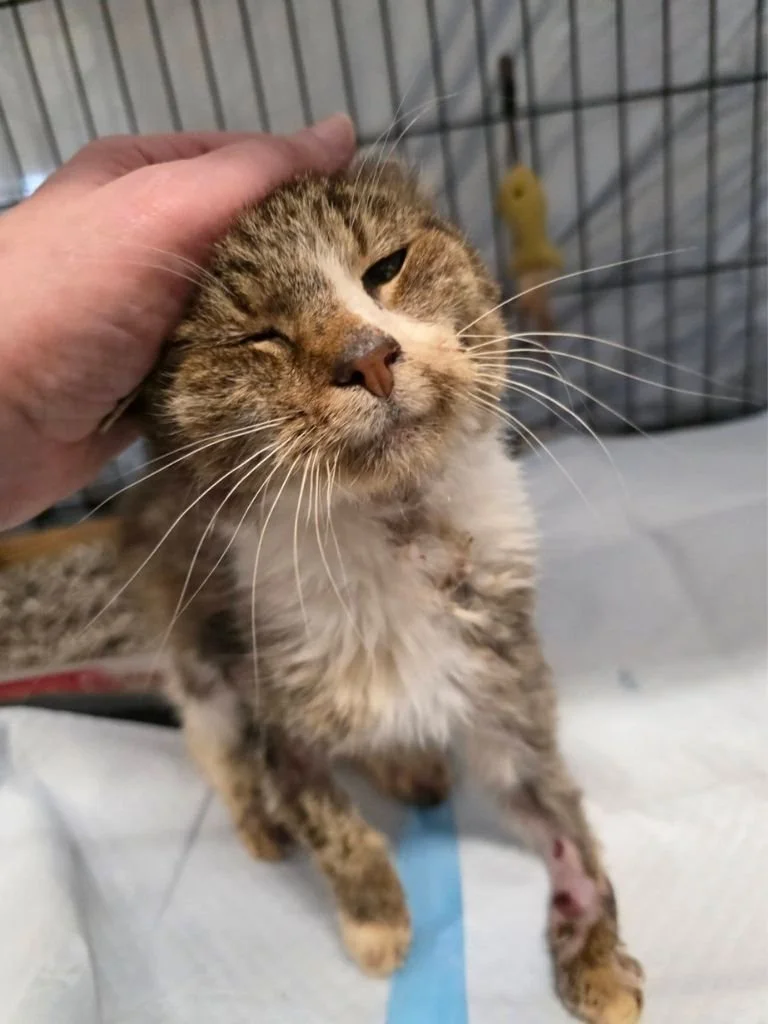
If your cat has been sneezing consistently—even if you’re unsure—it’s worth getting a professional opinion.
📍 Contact your local veterinarian
📍 Reach out to a trusted rescue for guidance
📍 Don’t wait for symptoms to escalate
Because in most cases…
the sooner you act, the easier it is to treat.