
Published On: 6/5/2026
Last Updated On: 6/5/2026
By Callie, Seymour, Yebba, Tucker, and Mama and our Hooman Ashley!
PENNSYLVANIA — Few issues send cat owners into panic mode faster than discovering urine outside the litter box.
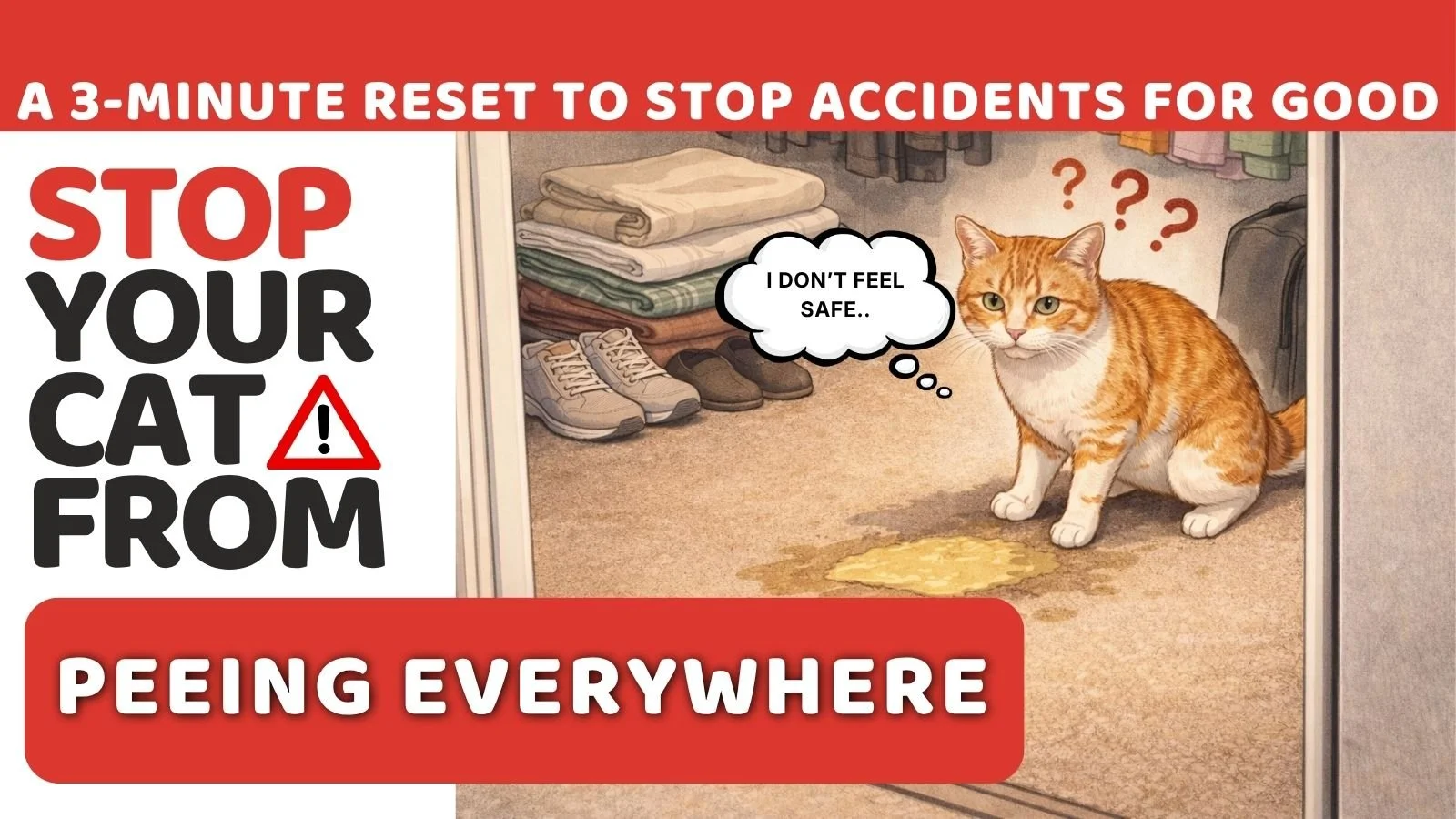
A pile of laundry suddenly becomes a target.
A couch cushion smells unfamiliar.
A favorite blanket gets ruined overnight.
And for many owners, the reaction is immediate confusion:
“Why is my cat doing this?”
Across Pennsylvania, veterinarians, rescue workers, and foster volunteers say litter box issues remain one of the most common — and misunderstood — feline behavior concerns they encounter.
Because despite popular myths, cats rarely urinate outside the litter box “out of spite.”
More often, the behavior signals that something deeper is wrong.
Sometimes medically.
Sometimes emotionally.
And sometimes environmentally.
The First Concern Is Often Medical
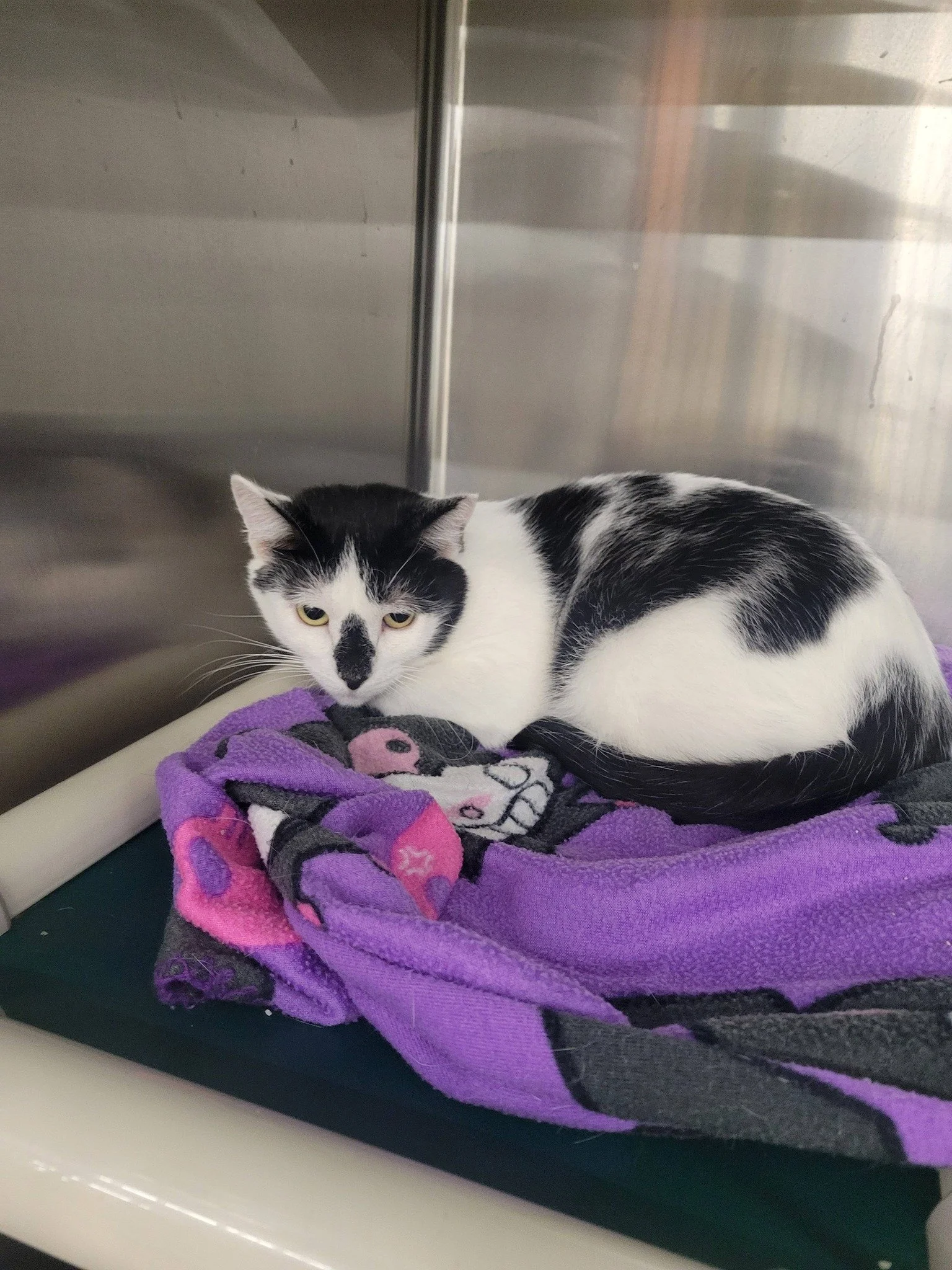
When a cat suddenly begins peeing outside the litter box, veterinarians generally recommend ruling out medical causes first.
Urinary tract infections, bladder inflammation, crystals, kidney disease, diabetes, arthritis, and urinary blockages can all contribute to changes in litter box behavior.
And in male cats especially, urinary blockages can quickly become life-threatening emergencies.
That’s part of why rescue organizations consistently urge owners not to assume the behavior is “just behavioral” without proper evaluation.
In many cases, the cat is trying to communicate discomfort the only way it knows how.
Stress Is a Bigger Trigger Than Many Owners Realize

For cats, stress does not always look dramatic.
Sometimes it looks like:
a new pet
a move
construction noise
changes in routine
territorial tension
outdoor cats near windows
a new baby
or even rearranged furniture
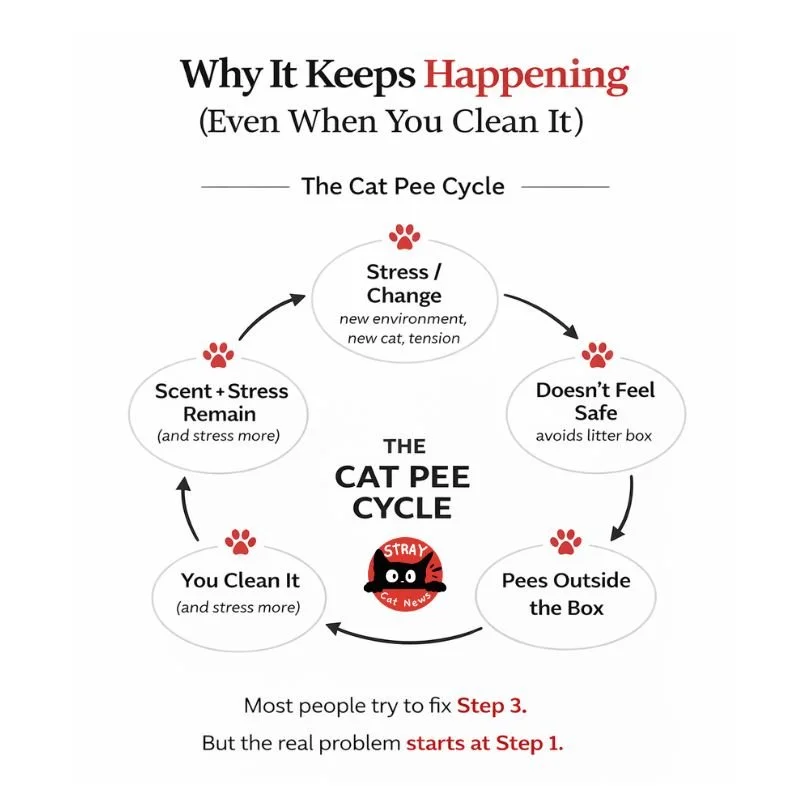
Cats are highly territory-oriented animals, and when that sense of safety changes, litter box habits are often one of the first behaviors affected.
Rescue workers across Pennsylvania frequently see stress-related urination cases spike after:
adoptions
household transitions
vacations
moving homes
or introducing additional animals
And while humans may adjust quickly to those changes, cats often do not.
The Litter Box Itself May Be the Problem
Sometimes the issue is not the cat.
It’s the setup.
According to feline behavior experts, common litter box problems include:
boxes that are too small
heavily scented litter
poor placement
infrequent cleaning
covered boxes trapping odor
or not having enough boxes in multi-cat homes
Many cats also develop strong preferences regarding litter texture and cleanliness.
A box that appears “fine” to a human may already feel unusable to a cat.
That’s why rescue fosters often spend significant time experimenting with:
litter types
box placement
open vs covered designs
and environmental adjustments before behavior improves
Spraying vs. Urinating: There’s a Difference
Not all inappropriate urination is the same behavior.
Spraying is typically territorial and often involves small amounts of urine sprayed vertically onto walls, furniture, or objects.
Regular urination outside the box usually involves larger puddles on horizontal surfaces.
Understanding the distinction matters because the underlying causes can differ significantly.
Territorial spraying may become more common when:
outdoor cats are visible
new animals enter the home
or unneutered cats are present
Meanwhile, large accidents outside the box may point more heavily toward medical discomfort or litter box aversion.
Why Rescue Groups See This Problem So Often
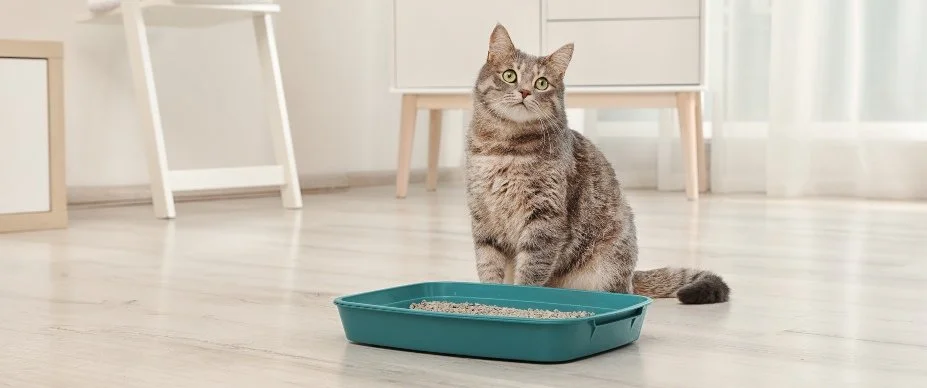
Across Pennsylvania foster networks, litter box issues remain one of the leading reasons cats are surrendered or rehomed.
And rescue workers say many owners wait too long before intervening.
By the time help is sought, the pattern has often become deeply associated with stress, territory, or discomfort.
That’s why many rescue organizations emphasize early intervention instead of punishment.
Because punishment typically increases anxiety — and anxiety often worsens the behavior itself.
What Cat Owners Should Do First
According to veterinarians and experienced fosters, early action matters most.
That usually includes:
scheduling a veterinary evaluation
thoroughly cleaning affected areas
reassessing litter box setup
reducing environmental stressors
and observing patterns surrounding the behavior
In many cases, resolving litter box problems requires multiple adjustments happening together rather than one single “fix.”
And for households managing multiple cats, the process can take time.
Why This Conversation Matters During Kitten Season
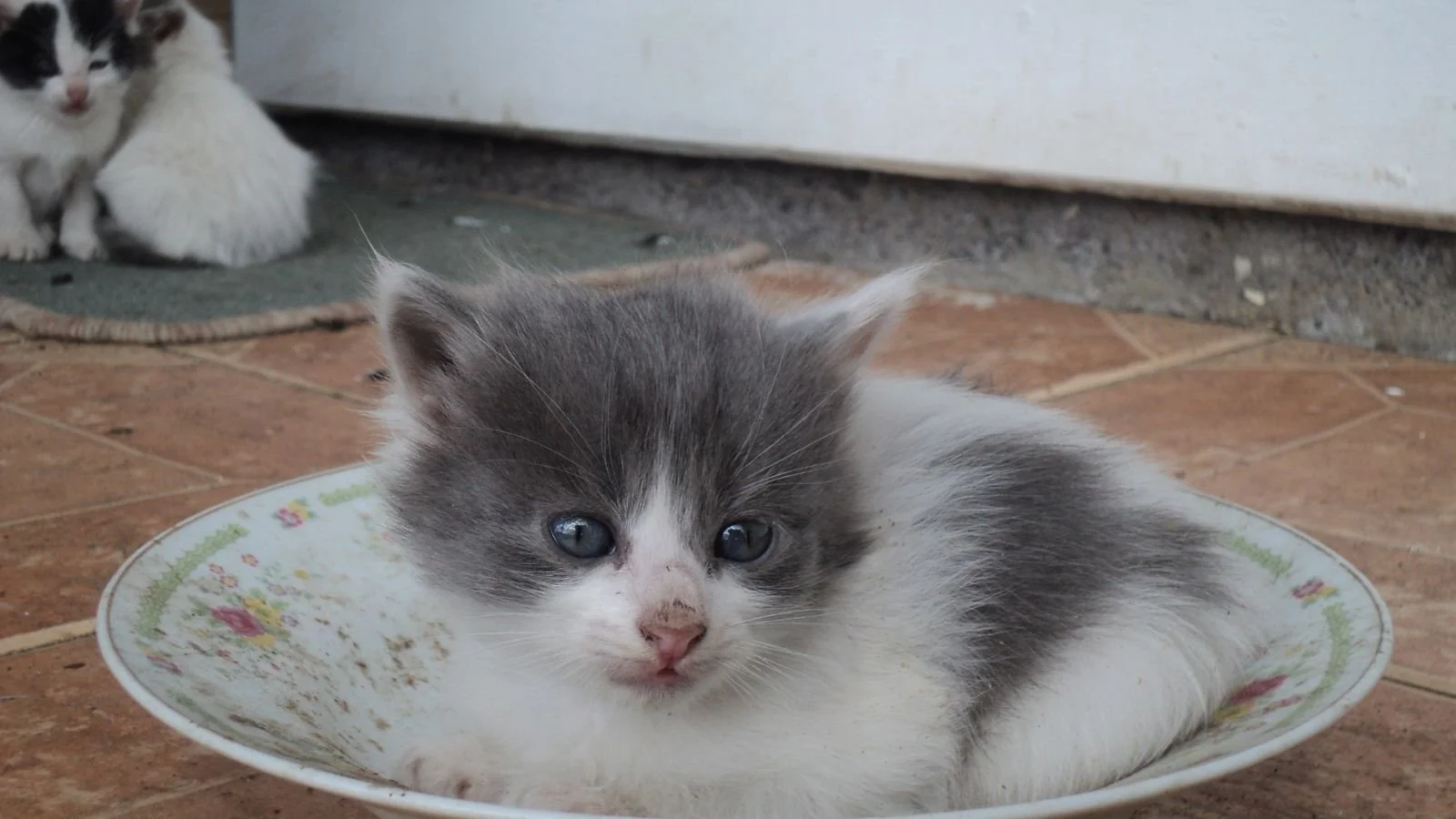
Pennsylvania rescues entering peak kitten season are already managing overcrowded systems and increased owner surrenders.
Behavior-related relinquishments — including litter box issues — often rise alongside that pressure.
That’s part of why education around feline stress and urinary health has become increasingly important within rescue spaces.
Because many cats experiencing litter box problems are still highly adoptable animals once the root issue is identified and treated.
Free Resource for Cat Owners Struggling With Litter Box Issues

If you’re currently dealing with a cat peeing outside the litter box, we also created a free step-by-step guide designed specifically for overwhelmed cat owners trying to understand what’s actually causing the behavior.
The guide walks through:
common stress triggers
territory-related behaviors
litter box setup mistakes
environmental changes
and practical first steps you can take at home before things escalate further
Because in many cases, the behavior isn’t random.
It’s communication.