
Published On: 4/15/2026
Last Updated On: 4/15/2026
By Callie, Seymour, Yebba, Tucker, and Mama and our Hooman Ashley!
FREE CAT HAIR HACKS
⬇️
FREE CAT HAIR HACKS ⬇️
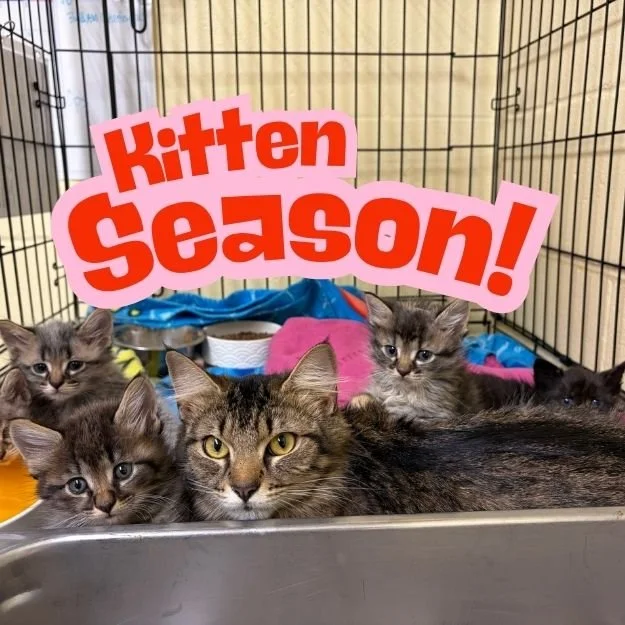
It Starts Quietly… and Then Suddenly, There Are Kittens Everywhere
We notice the shift before most hoomans do.
The air softens.
The windows stay open a little longer.
The nights feel… busier.
And then, almost all at once—
There are kittens.
Tiny, blinking, impossibly small kittens.
This is what hoomans call kitten season in Pennsylvania.
We just call it… overwhelming.
What Kitten Season Actually Means

Every year, when the weather warms from spring through early fall, unspayed cats begin having litters.
Not one or two.
But many.
At once.
Shelters like the Pennsylvania SPCA and local humane societies can receive 3–5 litters in a single day.
That’s dozens of kittens—arriving faster than space, supplies, or hands can keep up with.
And here’s the part most humans don’t realize:
The smallest kittens—the newborns—can’t stay in shelters safely.
They’re too fragile. Too vulnerable to illness.
They need homes.
Warm ones. Quiet ones. Temporary ones.
The Ones You Don’t Always See
Some kittens arrive in boxes.
Some in carriers.
Some are found outside—tucked under porches, behind bushes, in places chosen by mothers doing their best with what they have.
And some?
Stay out there longer than they should.
This is where things get complicated.
Because when humans find kittens, the instinct is immediate:
Pick them up.
Help them.
Bring them somewhere safe.
We understand that instinct.
But sometimes… helping looks different.
What To Do If You Find Kittens (This Part Matters)
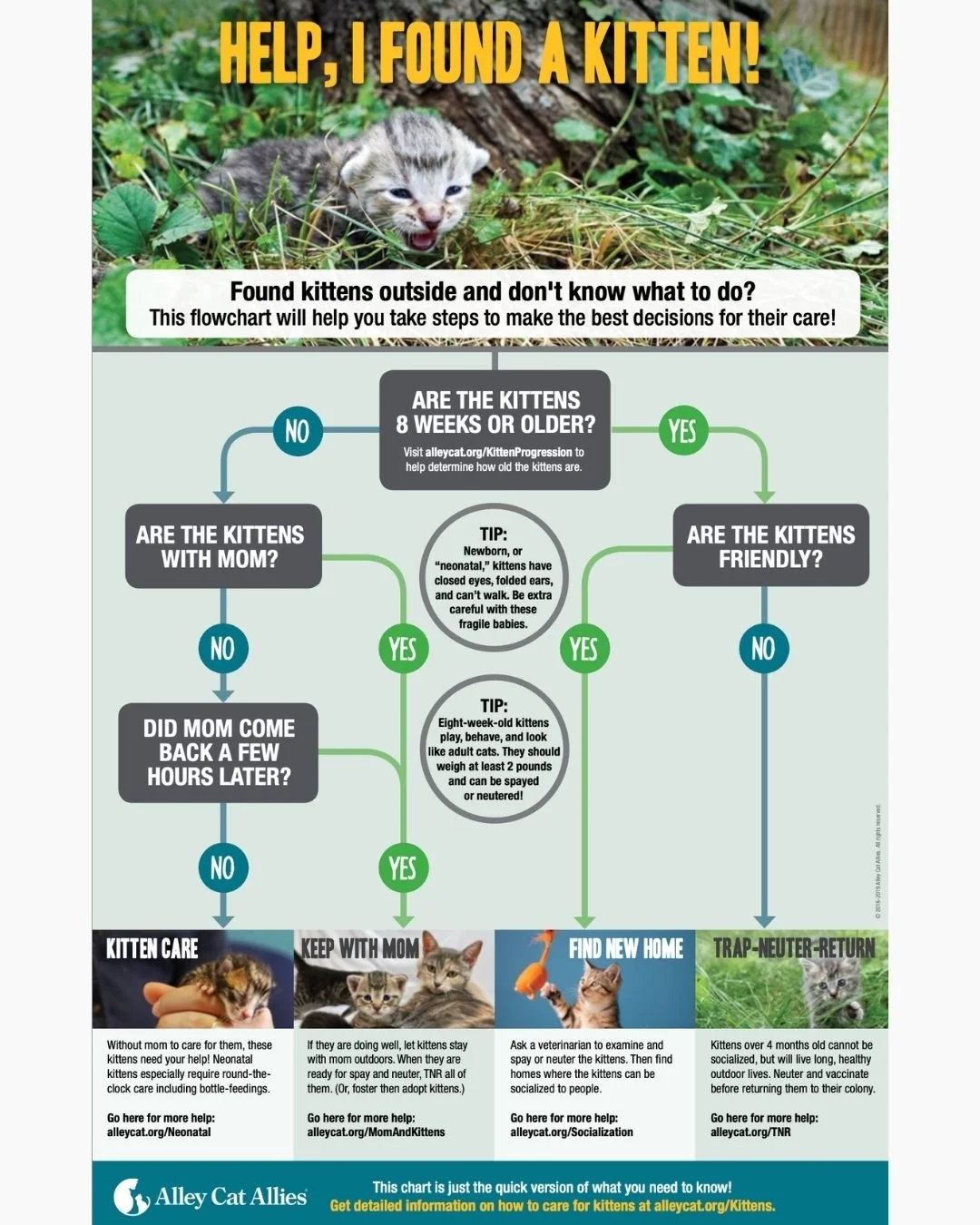
We’re going to say something important.
And we need you to stay with us.
If you find a litter of kittens outside:
Pause.
Observe from a distance.
Watch for 12–18 hours if you can.
If the kittens are:
• Clean
• Quiet
• Nestled together
There’s a very good chance their mother is nearby.
And she is their best chance of survival.
When You Should Step In
If the kittens are:
• Crying constantly
• Dirty or covered in discharge
• Underweight or weak
• In immediate danger
Then yes—this is when intervention matters.
This is when you contact your local shelter, animal control, or community cat program.
Organizations like the Lehigh Valley Humane Society and other regional rescues can guide you through exactly what to do.
Because not every situation is the same.
And doing the right thing… depends on reading it correctly.
The Hidden Math of Kitten Season
We think hoomans would act differently if they understood this part.
One unspayed cat.
One litter.
Can turn into dozens… then hundreds… over time.
Because kittens grow up.
And unless they’re spayed or neutered—they repeat the cycle.
This is why you’ll hear phrases like:
“community cats TNR” (trap-neuter-return)
It may not sound exciting.
But it is one of the most effective ways to reduce suffering before it starts.
The Quiet Heroes of Kitten Season
We’ve been watching closely.
And we can tell you—kitten season doesn’t run on luck.
It runs on people.
Fosters.
Volunteers.
The ones who wake up every few hours to bottle feed neonates.
The ones who take in a mama cat and her babies for “just a few weeks”… and rearrange their entire routine to make it work.
Even cat cafés and rescue partnerships step in—helping socialize kittens once they’re ready, giving them a better chance at adoption.
This is what foster kittens in Pennsylvania really looks like.
Not glamorous.
But deeply, quietly life-saving.
What Shelters Actually Need Right Now

We’ve seen the lists.
And they’re not complicated.
They’re practical.
Things like:
• Heating pads
• Kitten formula (KMR)
• Small litter pans
• Towels
• Food (a lot of food)
Because when hundreds of kittens move through a system… everything gets used quickly.
Why This Season Feels So Big
Kitten season is emotional.
Because it’s full of beginnings.
But also uncertainty.
Some kittens will find homes quickly.
Some will need medical care.
Some will need time, patience, and space before they’re ready to trust.
And all of them?
Start somewhere.
The Part Where You Come In
We don’t expect every human to foster.
Or donate.
Or become deeply involved in rescue work.
But we do notice something:
The humans who make the biggest difference…
Start small.
They:
• Share information
• Learn what to do (and what not to do)
• Support local shelters when they can
And suddenly, they’re part of something bigger.
A Softer Outcome Is Possible
If you take one thing from this, let it be this:
Not every kitten needs to be rescued immediately.
But every kitten deserves a chance.
And the best way to give them that chance…
Is to understand what they actually need.