
Across Pennsylvania, TNR Programs Are Quietly Reshaping the Stray Cat Crisis
Published On: 5/25/2026
Last Updated On: 5/25/2026
By Callie, Seymour, Yebba, Tucker, and Mama and our Hooman Ashley!
PENNSYLVANIA — Behind restaurants, alleyways, barns, and neighborhoods across the state, volunteers are doing work most people never see.. long before most people are awake, someone is already checking traps behind a restaurant.
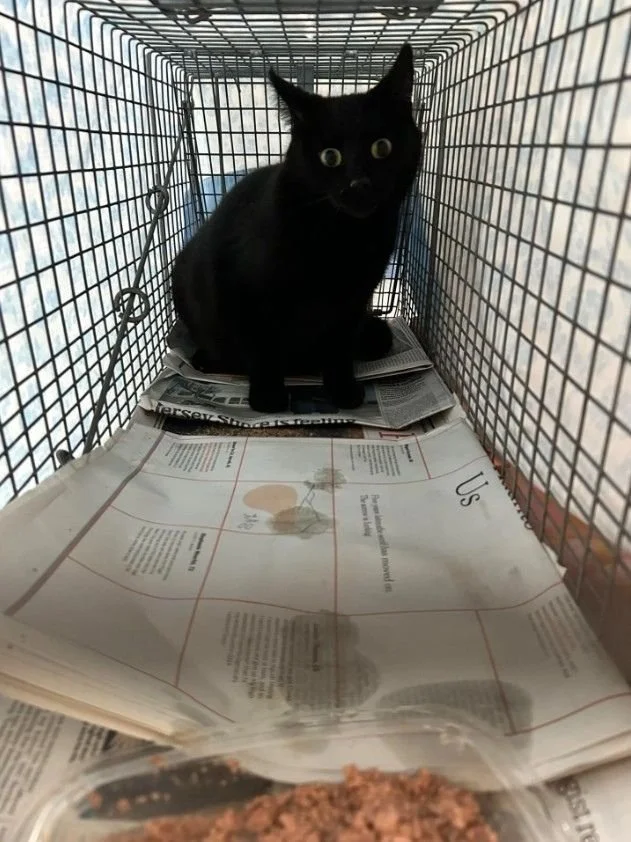
Elsewhere, another volunteer is loading carriers into the backseat of a car before driving an hour to a low-cost spay appointment.
A colony caretaker refills feeding stations before work.
A foster scrambles to make room for another litter of kittens.
A rescue coordinator answers messages from residents asking the same question Pennsylvania shelters hear constantly this time of year:
“What do I do about the cats outside?”
Across the state, these moments are happening quietly every day through Pennsylvania’s growing network of trap-neuter-return programs — more commonly known as TNR.
And while the public often sees only fragments of that work, many rescues say the system has become one of the most important tools available for slowing the cycle of outdoor cat overpopulation.
What TNR Actually Means

At its simplest level, trap-neuter-return refers to the process of humanely trapping outdoor cats, sterilizing and vaccinating them, then returning healthy cats back to the area where they were originally found.
Most cats involved in these programs are not lost pets.
They are community cats:
animals that may be feral, semi-socialized, or born outdoors after generations of unmanaged breeding.
Many have little interest in indoor life.
Some avoid human contact entirely.
For rescues and shelters across Pennsylvania, that distinction matters.
Because without intervention, colonies continue reproducing rapidly — especially during kitten season, which typically intensifies between spring and early fall.
Why Pennsylvania Shelters Continue to Rely on TNR
For years, animal welfare organizations across the state faced the same pattern repeatedly:
more kittens than foster homes, more outdoor litters than shelters could realistically absorb, and more community cats reproducing faster than traditional intake systems could manage.
And mathematically, the problem compounds quickly.
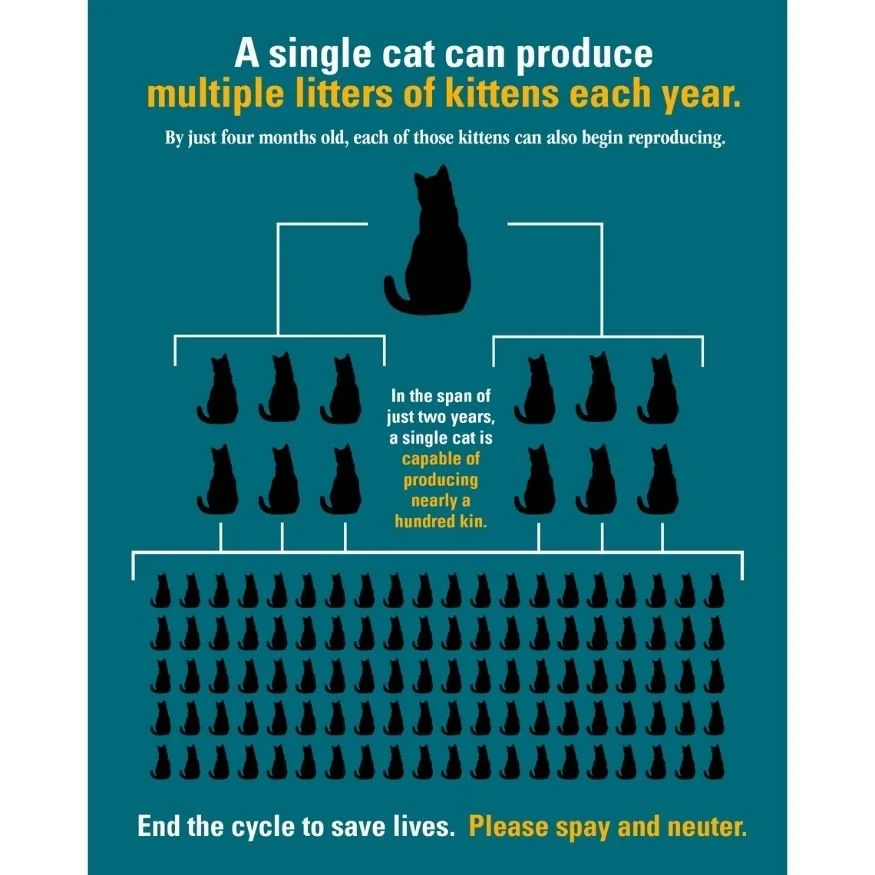
One unspayed female cat — along with her offspring — can contribute to thousands of additional cats over time if breeding continues uninterrupted.
TNR programs attempt to interrupt that cycle before it expands further.
Not through mass removal.
Not through relocation.
But through stabilization.
That shift has fundamentally changed how many Pennsylvania communities now approach outdoor cat populations.
What the Work Looks Like on the Ground
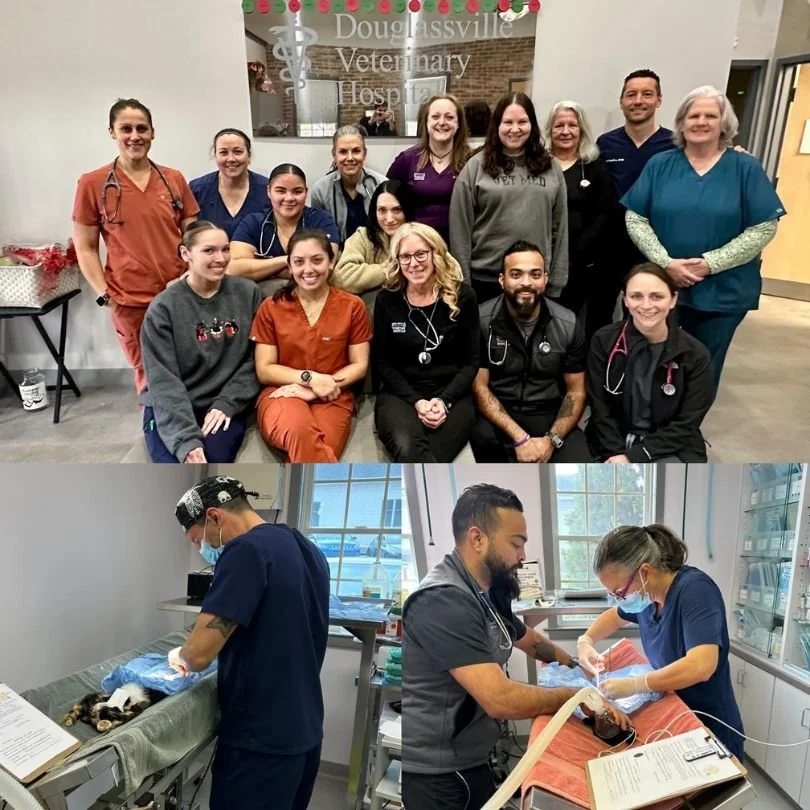
In practice, TNR rarely looks organized from the outside.
Most programs operate through overlapping networks of:
volunteers, fosters, transporters, rescue groups, low-cost clinics, and residents trying to manage colonies in their own neighborhoods.
The process itself may sound clinical.
The reality is usually exhausting.
Trapping often happens late at night or before sunrise.
Appointments are limited.
Funding is inconsistent.
And during peak kitten season, many programs become overwhelmed almost immediately.
Still, the work continues.
Because for many rescuers, the alternative feels worse:
another litter born outdoors during a season when shelters are already beyond capacity.
The Visible Marker Most People Don’t Understand

One of the clearest signs a cat has already gone through a TNR program is an ear tip — the small removal of the tip of one ear performed during surgery while the cat is under anesthesia.
Across Pennsylvania, that mark has quietly become part of the visual language of rescue work.
To the average passerby, it may go unnoticed.
But to colony caretakers and TNR volunteers, it signals something important:
This cat has already been helped.
This cat has already been counted.
Why Kitten Season Changes Everything
From April through October, Pennsylvania rescues enter what many describe simply as “survival mode.”
Kitten season brings:
intake surges
overcrowded foster systems
increased medical costs
and rapidly expanding colony populations
That’s why TNR work tends to intensify heavily during warmer months.
Adult females become priority cases.
Volunteers monitor colonies more aggressively.
Rescues push harder for low-cost spay appointments before another wave of litters appears.
Because once kittens are born outdoors, the situation becomes exponentially more difficult to manage.
What Happens to Friendly Cats and Kittens
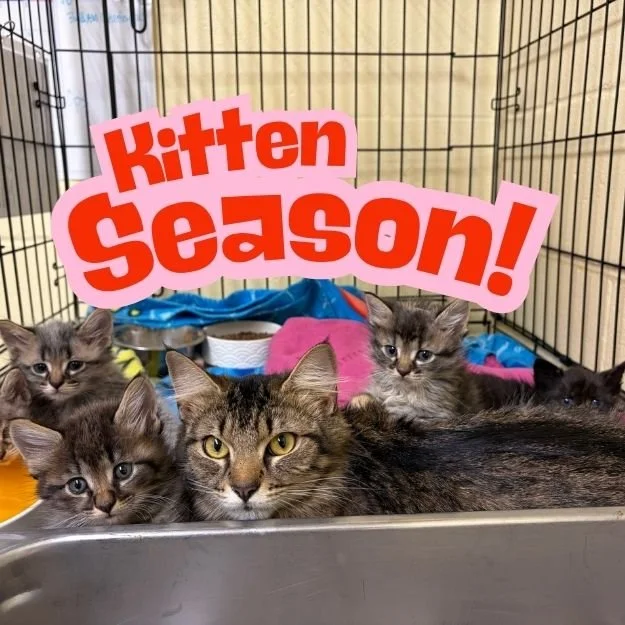
Not every cat trapped through TNR is returned outdoors.
Socialized cats and young kittens are often pulled into foster care, medically evaluated, and eventually placed for adoption.
That overlap is part of why TNR and rescue systems are so deeply connected throughout Pennsylvania.
One colony intervention can simultaneously result in:
sterilized community cats
adoptable kittens entering foster networks
emergency medical treatment
and long-term population reduction
The public usually sees only the adoption photos at the end.
What they don’t see are the months of coordination leading up to them.
Why the Debate Around TNR Still Exists

TNR programs remain controversial in some communities, particularly in conversations involving wildlife impact and outdoor feeding practices.
But many Pennsylvania rescues argue the reality on the ground leaves few realistic alternatives.
Without sterilization efforts, colonies continue growing.
Shelters continue overflowing.
And outdoor suffering compounds faster than most systems can absorb.
For many organizations, TNR isn’t viewed as a perfect solution.
It’s viewed as the most workable one currently available.
The Bigger Story Across Pennsylvania
At this point, TNR has become part of Pennsylvania’s broader rescue infrastructure — not because it’s highly funded or universally understood, but because volunteers and organizations continue seeing measurable results over time.
Fewer litters.
Stabilized colonies.
Reduced shelter intake.
More manageable populations.
Quiet improvements that rarely make headlines individually, but collectively reshape entire communities over years.
And almost all of it happens through people doing difficult work most residents never fully see.
Join the Stray Cat Newsroom
Want more Pennsylvania rescue stories, community cat coverage, local cat events, and TNR education?
Join the Stray Cat Newsroom for:
rescue updates
cat advocacy reporting
Pennsylvania cat events
foster and TNR resources
local feline news
Because some of the most important rescue work in Pennsylvania is the kind most people never notice until they suddenly need it.