
FIP in Cats: What It Is, What to Watch For, and Why Hope Matters
Published On: 2/2/2026
Last Updated On: 2/2/2026
By Callie, Seymour, Yebba, and Mama and our Hooman Ashley!
FREE CAT HAIR HACKS
⬇️
FREE CAT HAIR HACKS ⬇️
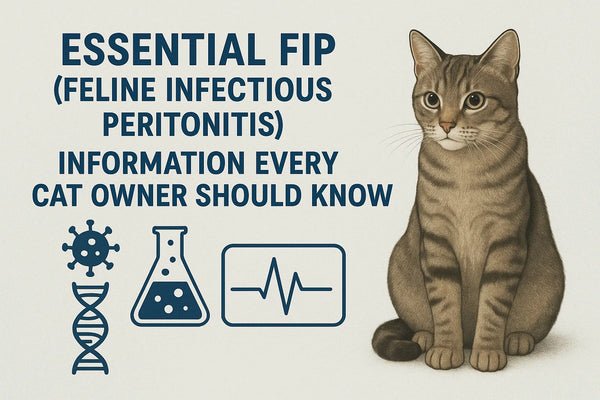
We don’t take this topic lightly.
FIP is one of those things people in the cat world speak about in hushed tones — something learned the hard way, often after loss. For years, it carried a sense of finality. A diagnosis that stopped conversations mid-sentence. A moment where people braced themselves instead of asking what came next.
But here’s why we’re writing this now:
Because FIP is no longer a death sentence — it’s a condition.
Because outcomes have changed.
Because education saves time, and time saves lives.
And because if you’re a cat parent, rescuer, foster, or volunteer in Pennsylvania (or anywhere), this is knowledge you deserve to have before you’re scared.
First, Let’s Clear Up What FIP Actually Is
FIP stands for Feline Infectious Peritonitis, but the name alone causes confusion — so let’s slow this down.
FIP is not something cats “catch” from each other directly.
Most cats, especially kittens and cats in multi-cat environments, are exposed at some point to feline coronavirus (FCoV). For the vast majority, it causes either mild digestive upset or no noticeable symptoms at all.
In a small percentage of cats, however, that virus mutates inside the body.
That mutation — not the original virus — is what causes FIP.
This matters because it means:
FIP is not caused by poor care
It is not a result of neglect
It can happen in loved, indoor-only cats
It is not something you could have “prevented” with better choices
Understanding that alone lifts a lot of unnecessary guilt from cat parents.
Why Some Cats Are More Vulnerable
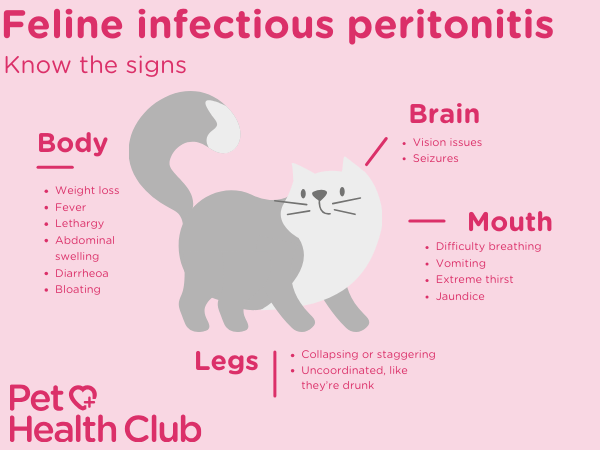
FIP is more commonly diagnosed in:
Kittens and young cats (under two years old)
Cats from shelters or rescue environments
Cats who’ve experienced stress, illness, or immune challenges early in life
This doesn’t mean rescue cats are weak. It means they’ve often lived through more change in a short amount of time — and stress impacts immune response.
That’s why FIP shows up so often in rescue conversations, foster homes, and cat cafés. It’s not because something went wrong — it’s because these cats were already surviving a lot.
The Two Forms of FIP (And Why Symptoms Look Different)
FIP generally presents in two ways. Knowing the difference helps people recognize it earlier.
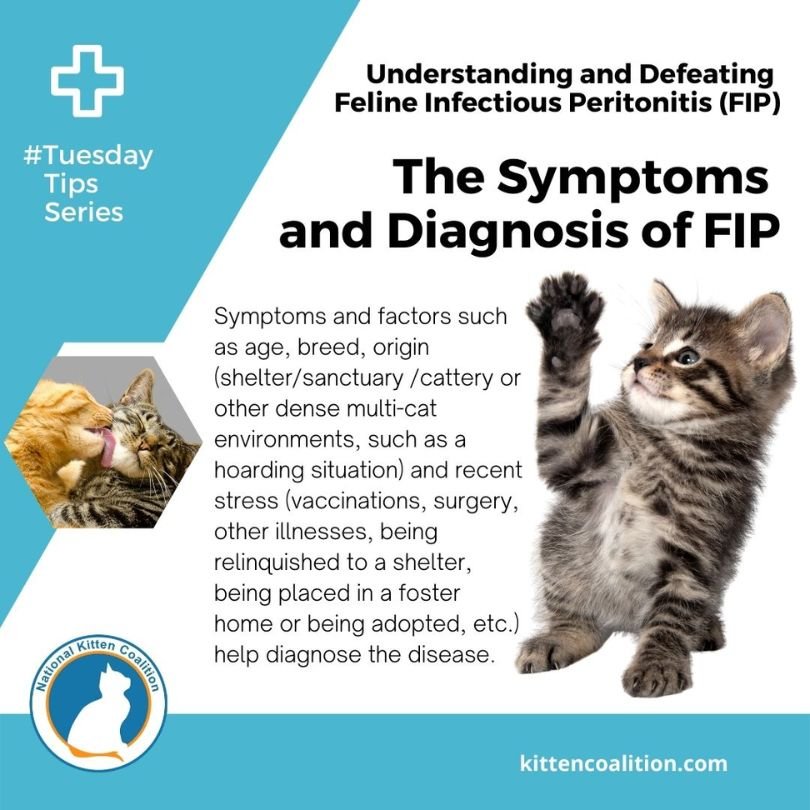
Wet (Effusive) FIP
This form involves fluid buildup, most often in the abdomen or chest.
Common signs include:
A visibly swollen belly
Rapid weight loss elsewhere in the body
Difficulty breathing
Lethargy and weakness
Sudden decline over a short period of time
This form tends to progress faster and is often easier to identify clinically.
Dry (Non-Effusive) FIP
Dry FIP is more subtle and can affect different organs.
Possible signs include:
Persistent or recurring fever
Weight loss despite eating
Eye inflammation
Neurological changes (wobbliness, seizures, confusion)
Lethargy that comes and goes
Dry FIP is often harder to diagnose — which is why awareness and persistence matter so much.
Early Signs Cat Parents Should Take Seriously
One thing we’ve learned watching rescue after rescue navigate FIP is this:
The earliest sign is often “something feels off.”
That instinct matters.
Early symptoms of FIP can look like:
Reduced appetite
Less playfulness
Sleeping more than usual
Weight loss
Fever that doesn’t respond to antibiotics
Especially in young cats, foster cats, or recently adopted cats, these changes deserve attention.
FIP doesn’t always announce itself loudly. Sometimes it waits to be noticed.
How FIP Is Diagnosed (And Why It Can Be Frustrating)
There is no single test that definitively diagnoses FIP in every case.
Diagnosis often involves:
Bloodwork trends
Imaging (X-rays or ultrasound)
Fluid analysis (in wet FIP cases)
Ruling out other conditions
Clinical signs and progression over time
This process can feel overwhelming. But it’s also where advocacy plays a powerful role.
Asking for explanations. Requesting copies of lab results. Seeking veterinarians familiar with current FIP research. These steps matter — and they don’t make you difficult. They make you informed.
The Part That Changed Everything: FIP Is Now Treatable
This is the sentence we never thought we’d write years ago:
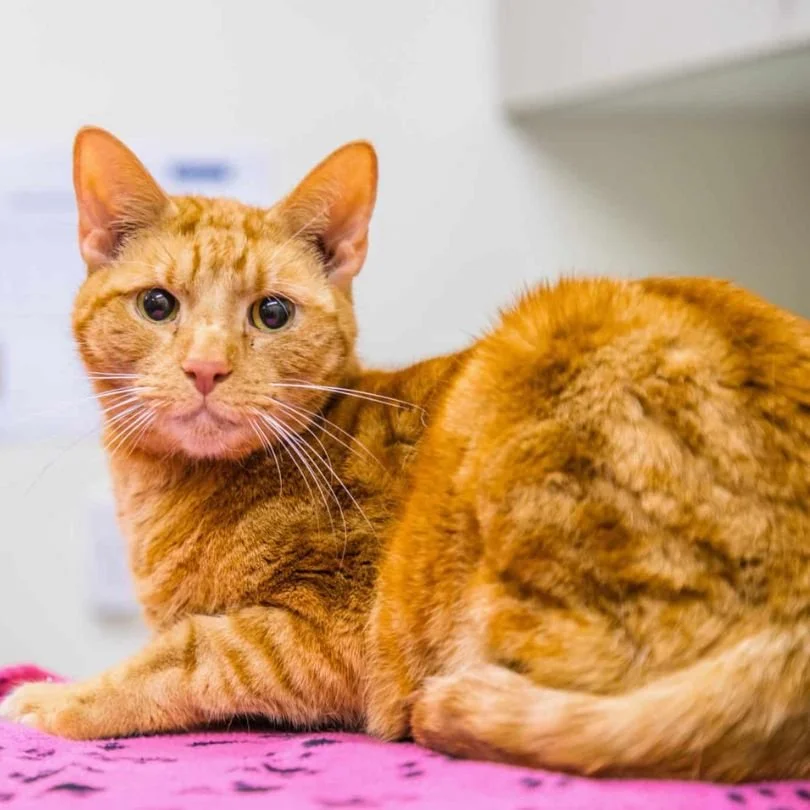
Cats with FIP can survive.
Antiviral treatments developed over the past several years have completely shifted outcomes. Cats who would not have made it before are now completing treatment and returning to normal lives.
Treatment generally involves:
A structured antiviral medication protocol
Regular monitoring of weight and bloodwork
Supportive care during recovery
It is not an easy journey. It requires commitment, support, and guidance. But it is no longer hopeless — and that matters more than anything.
Why We’re Sharing This on Stray Cat News
Because we cover real cat lives.
Because we work alongside rescues, fosters, and cat cafés every week.
Because we’ve seen how fast misinformation spreads — and how dangerous silence can be.
Stray Cat News exists to:
Educate without fear
Share up-to-date information
Support cat parents and rescuers where they are
Normalize asking for help early
What to Do If FIP Is on Your Radar

Seek veterinary care immediately
Ask about FIP specifically
Request copies of all diagnostics
Learn about current treatment options
Reach out to knowledgeable rescue communities
You are allowed to take this seriously.
You are allowed to ask questions.
You are allowed to hope.
Knowledge changes timelines.
Advocacy changes outcomes.
And hope belongs here.
We’ll keep covering the hard topics — calmly, clearly, and with care — because that’s how cats get the help they need.
And because they deserve every chance we can give them.
If this guide helped you, consider sharing it with another cat parent or rescue. Education spreads faster than fear — and together, we protect more lives.
🐾 Coming Wednesday on Stray Cat News

We’ve been conducting very serious research (mostly napping) to bring you our picks for the best cat beds for indoor cats.
From window loungers to deep-sleep caves, we’re sharing what actually gets used — not just what looks cute online.
Subscribe to Stray Cat News so you don’t miss the full breakdown.