
Why More Cat Owners Are Dealing With Spraying Issues — And What Experts Say Is Really Going On
Published On: 6/19/2026
Last Updated On: 6/19/2026
By Callie, Seymour, Yebba, Tucker, and Mama and our Hooman Ashley!
PENNSYLVANIA — One of the Most Frustrating Cat Behaviors Is Often One of the Most Misunderstood
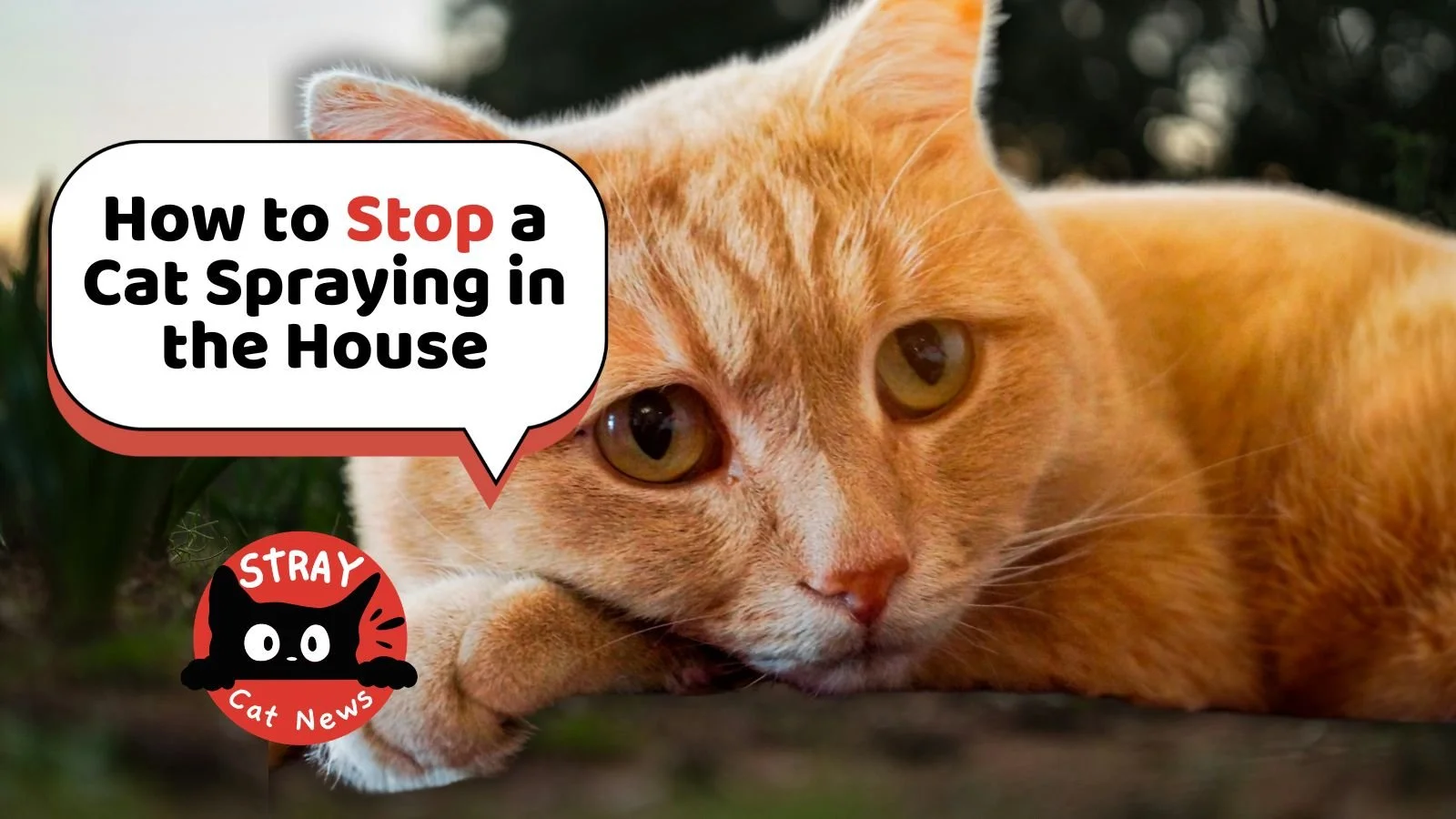
A cat sprays a wall.
A doorway.
A couch.
Sometimes even a favorite piece of furniture.
For many owners, the assumption is immediate:
"The litter box must be the problem."
But veterinarians, rescue organizations, and feline behavior specialists say spraying is often something entirely different.
It's communication.
And in many cases, it's communication tied directly to territory.
Cat Spraying Isn't the Same Thing as Missing the Litter Box
One of the biggest misconceptions surrounding feline behavior is that spraying and litter box accidents are the same thing.
They're not.
Cats typically cats spray on vertical surfaces and use small amounts of urine to leave scent messages.
The behavior is less about elimination and more about information.
To another cat, that scent can communicate ownership, stress, insecurity, or changes within the environment.
To humans, it usually communicates one thing:
"We have a problem."

Why Spraying Often Starts Suddenly
Rescue organizations frequently hear the same question:
"My cat never did this before. Why now?"
Often, something changed.
A move.
A new pet.
A neighborhood cat outside the window.
A new relationship.
A new baby.
Even changes that seem minor to people can feel significant to cats.
And when a cat feels uncertain about their territory, spraying can become one way of responding.
What Pennsylvania Rescues See Repeatedly
Many cats entering foster care arrive with behavioral histories that include cat spraying.
Yet foster volunteers often report dramatic improvement once those cats settle into predictable environments with access to resources and reduced stress.
That doesn't mean every spraying case is behavioral.
Medical issues should always be ruled out first.
But it does highlight a pattern rescue organizations encounter regularly:
Cats that feel secure often stop feeling the need to mark.
The Bigger Conversation
When people ask how to stop a cat from spraying in the house, they're usually looking for a cleaning product, a deterrent, or a quick fix.
But behavior experts often encourage a different question.
Instead of asking:
"How do I stop the spraying?"
Ask:
"What is my cat trying to tell me?"
Because the spray itself is rarely the entire story.
More often, it's the symptom.
And understanding the message behind it is where lasting solutions usually begin.
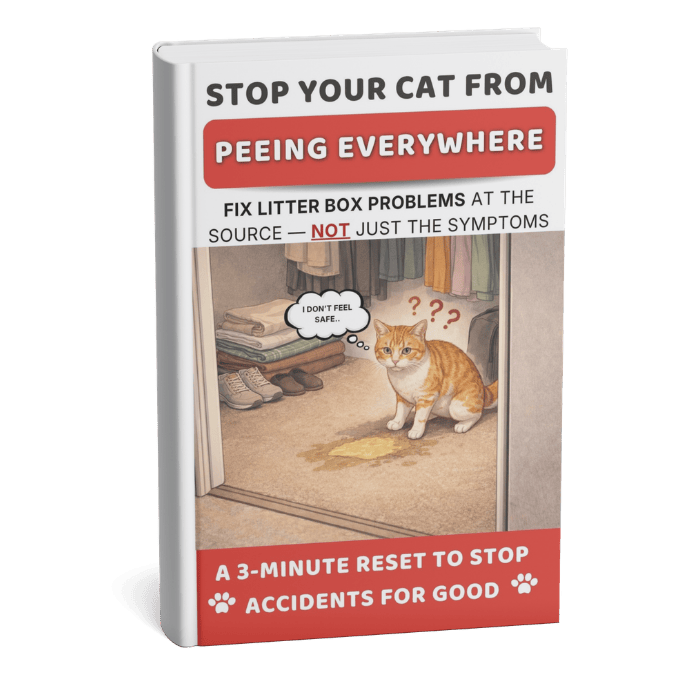
Free Resource for Cat Owners
Dealing with spraying, litter box accidents, or territory-related behavior problems?
Download our free guide:
👉 Stop Cat Peeing Outside the Litter Box
Because many litter box problems start long before the first accident appears.