
Pennsylvania Community Cat Programs: What They Do and Why They Matter
Published On: 6/22/2026
Last Updated On: 6/22/2026
By Callie, Seymour, Yebba, Tucker, and Mama and our Hooman Ashley!
PENNSYLVANIA — Most People See the Cats. Few See the Work Happening Behind the Scenes.
Walk through almost any Pennsylvania community and you'll likely spot them.
Cats behind restaurants.
Cats living near barns.
Cats tucked beneath porches.
Cats quietly navigating life outdoors.
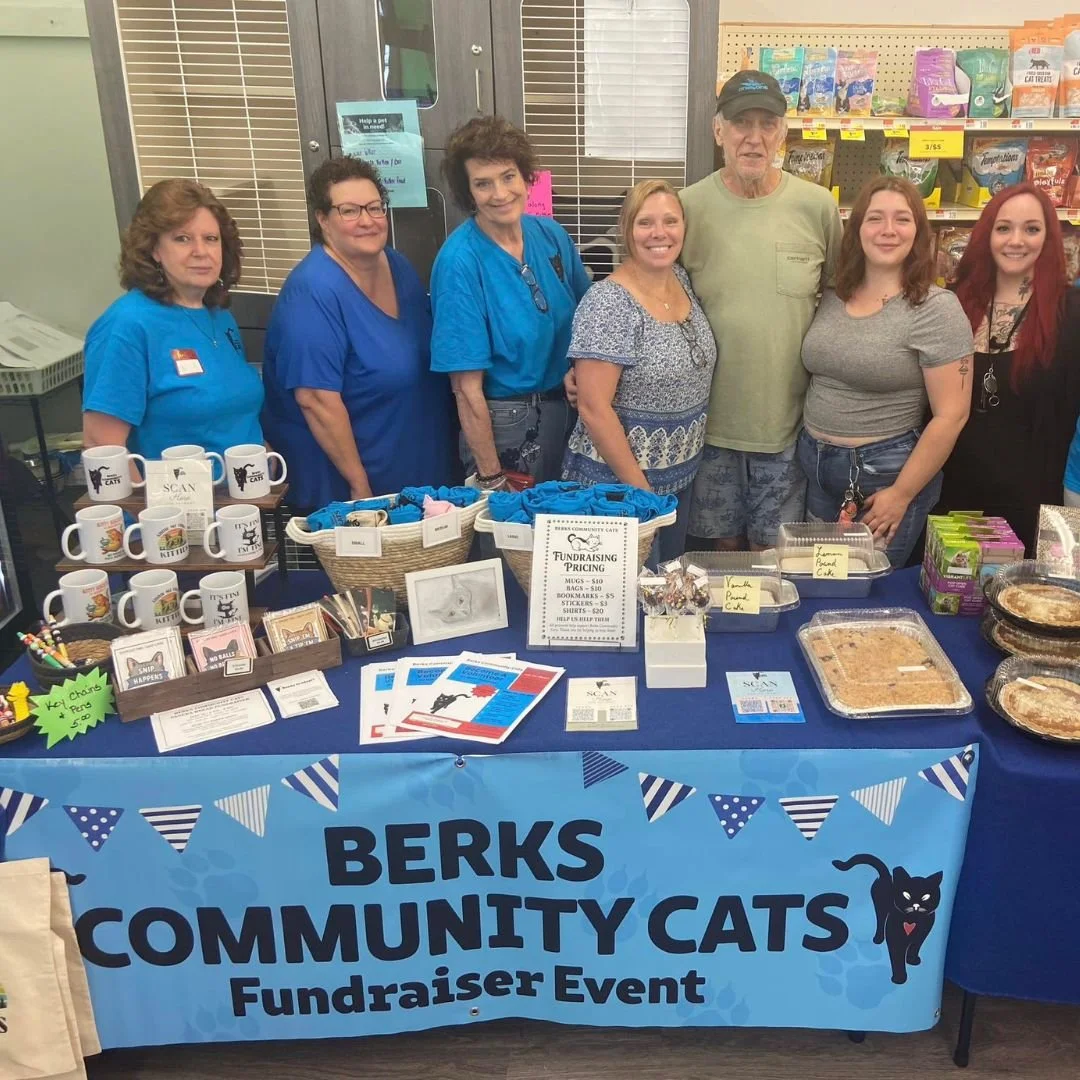
What many residents don't see is the network of volunteers, rescue organizations, and community cat programs working behind the scenes to help those animals every day.
Across the Commonwealth, community cat programs have become a critical part of animal welfare efforts, helping reduce suffering while managing outdoor cat populations through humane, long-term solutions.
What Is a Community Cat Program?
Community cat programs focus on helping outdoor cats that may not be socialized enough for traditional adoption but still deserve care and protection.
While each organization operates differently, most programs share similar goals:
Reduce unwanted litters
Improve cat health and welfare
Stabilize outdoor cat populations
Support neighborhoods experiencing cat overpopulation
Connect friendly cats and kittens with rescue resources
Many programs rely heavily on volunteers, foster networks, donations, and community support to continue operating.
TNR Remains the Foundation
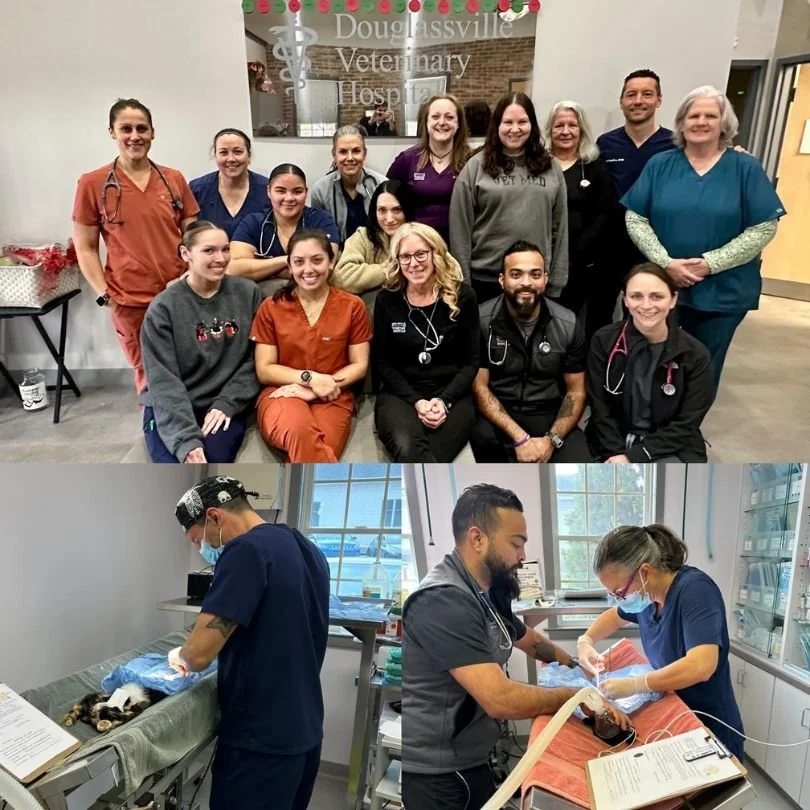
One of the most common services provided by community cat organizations is Trap-Neuter-Return, commonly known as TNR.
Under this approach, outdoor cats are:
Humanely trapped
Spayed or neutered
Vaccinated
Ear-tipped for identification
Returned to their outdoor homes
Animal welfare organizations throughout Pennsylvania increasingly view TNR as one of the most effective ways to reduce future kitten births while improving quality of life for community cats.
Without intervention, outdoor cat populations can grow rapidly.
With TNR, colonies gradually stabilize and decline over time.
More Than Just Spay and Neuter
While TNR receives much of the attention, community cat programs often provide far more than sterilization services.
Volunteers frequently assist with:
Medical care
Emergency rescue situations
Winter shelter projects
Feeding support
Kitten rescue and fostering
Community education
Lost and found cat resources
In many areas, these programs fill gaps that traditional shelters simply do not have the resources to address on their own.
Why Community Support Matters
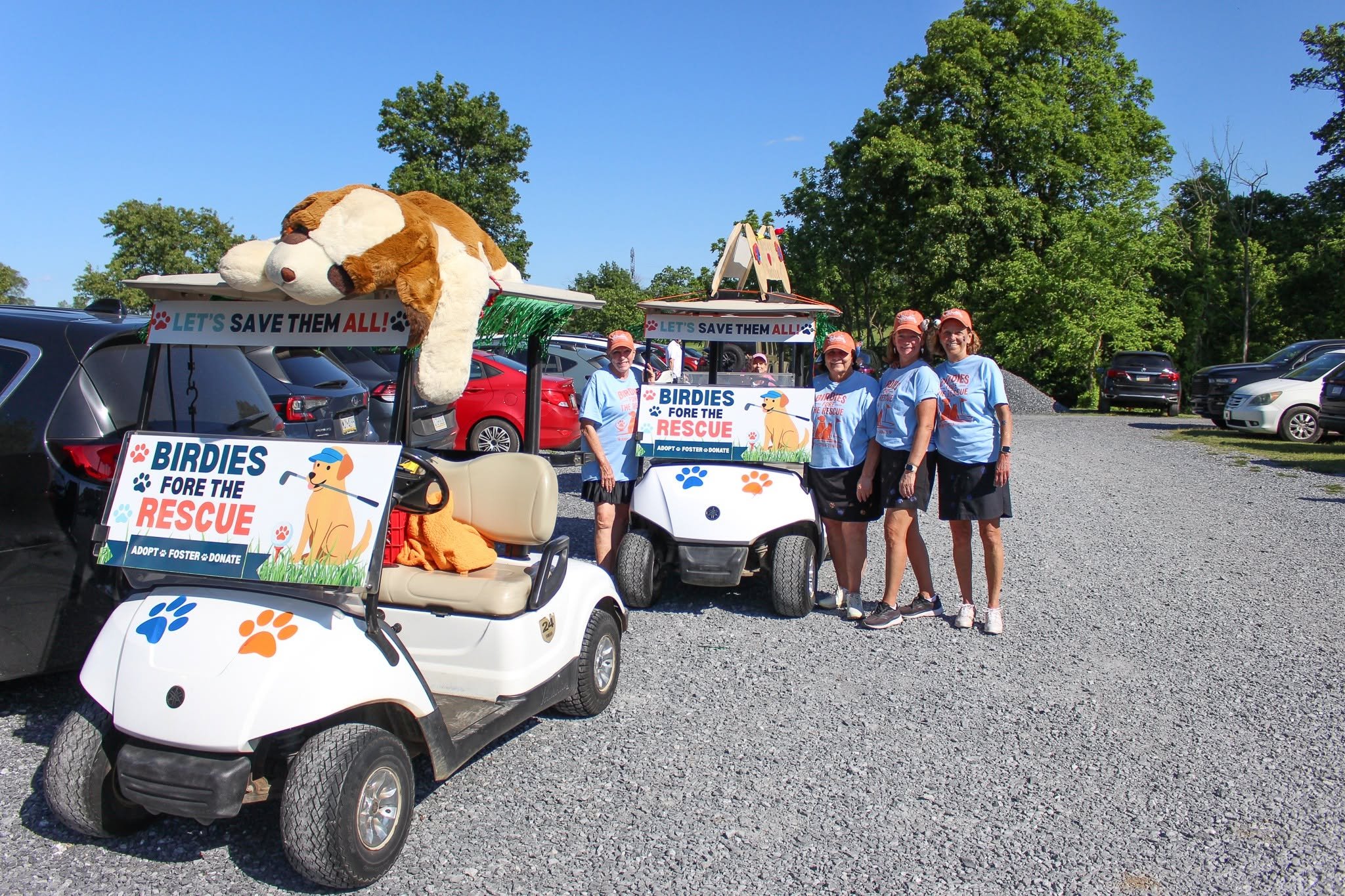
Most community cat organizations operate with limited resources.
Many are volunteer-driven.
Many rely entirely on donations.
And many spend countless hours responding to calls about injured cats, abandoned kittens, and colonies needing assistance.
Their work often happens quietly.
There are no grand openings.
No ribbon cuttings.
No major headlines.
Just people showing up consistently for animals that have few other options.
What Pennsylvania Residents Can Do
For those who want to support community cats, experts often recommend starting locally.
That can include:
Supporting local TNR efforts
Donating supplies
Volunteering
Becoming a foster
Reporting unaltered colonies
Helping educate neighbors about humane solutions
Even small contributions can help organizations expand their impact.
The Bigger Picture
Community cat programs aren't simply helping individual cats.
They're helping communities navigate complex animal welfare challenges in ways that benefit both people and animals.
And while most residents may never see the hours spent trapping, transporting, feeding, fostering, or fundraising, the results are often visible every day.
Healthier cats.
Fewer kittens born outdoors.
And more opportunities for animals to receive the care they deserve.
Join the Stray Cat Newsroom
Want more Pennsylvania rescue stories, TNR updates, adoption events, and community cat news?
Join the Stray Cat Newsroom and stay connected to the organizations, volunteers, and advocates helping cats across the Commonwealth every day.