
How Do I Safely Capture a Stray Cat?
Published On: 6/24/2026
Last Updated On: 6/24/2026
By Callie, Seymour, Yebba, Tucker, and Mama and our Hooman Ashley!
PENNSYLVANIA — Finding a stray cat can pull at your heart immediately.
Maybe you've been seeing the cat for weeks. Maybe they suddenly appeared in your neighborhood. Maybe they're showing signs of illness, injury, or simply seem lost and in need of help.
The first instinct for many people is to catch the cat as quickly as possible.
Ironically, that's often the biggest mistake.
Over the years, one lesson has stood out to me again and again: most successful captures are won before the trap is ever set.
If you're trying to safely capture a stray cat, your goal isn't to outsmart the cat.
Your goal is to help the cat feel safe enough to make capture possible.
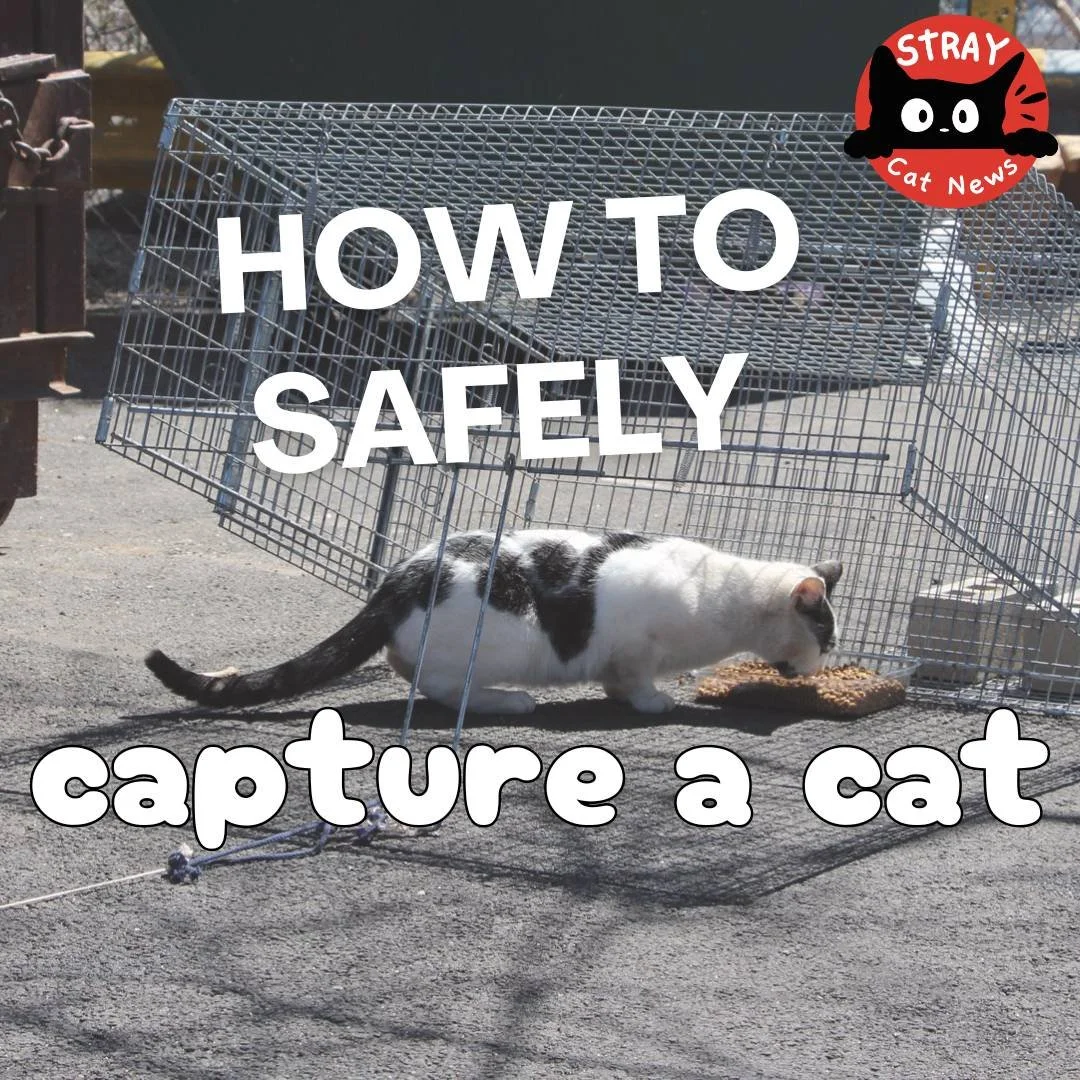
The Biggest Mistake People Make
The most common mistake I see is people trying to trap too soon.
They spot a cat, immediately set a trap, and become frustrated when it doesn't work.
Cats survive by being cautious.
If a cat doesn't trust the area, doesn't trust the food source, or doesn't understand the trap, there's a good chance they'll avoid it altogether.
Instead, I usually recommend establishing a routine first.
Feed the cat consistently.
Use the same location.
Show up at roughly the same time each day.
Allow the cat to become comfortable with both the feeding station and your presence.
The more predictable the environment becomes, the better your chances of a successful capture.
I also see people make assumptions too quickly.
Some assume every outdoor cat is feral.
Others assume every cat is friendly.
The truth is that many outdoor cats fall somewhere in between.
Taking time to observe the cat's behavior before making a plan can save everyone a lot of stress.
Why Patience Matters More Than the Trap
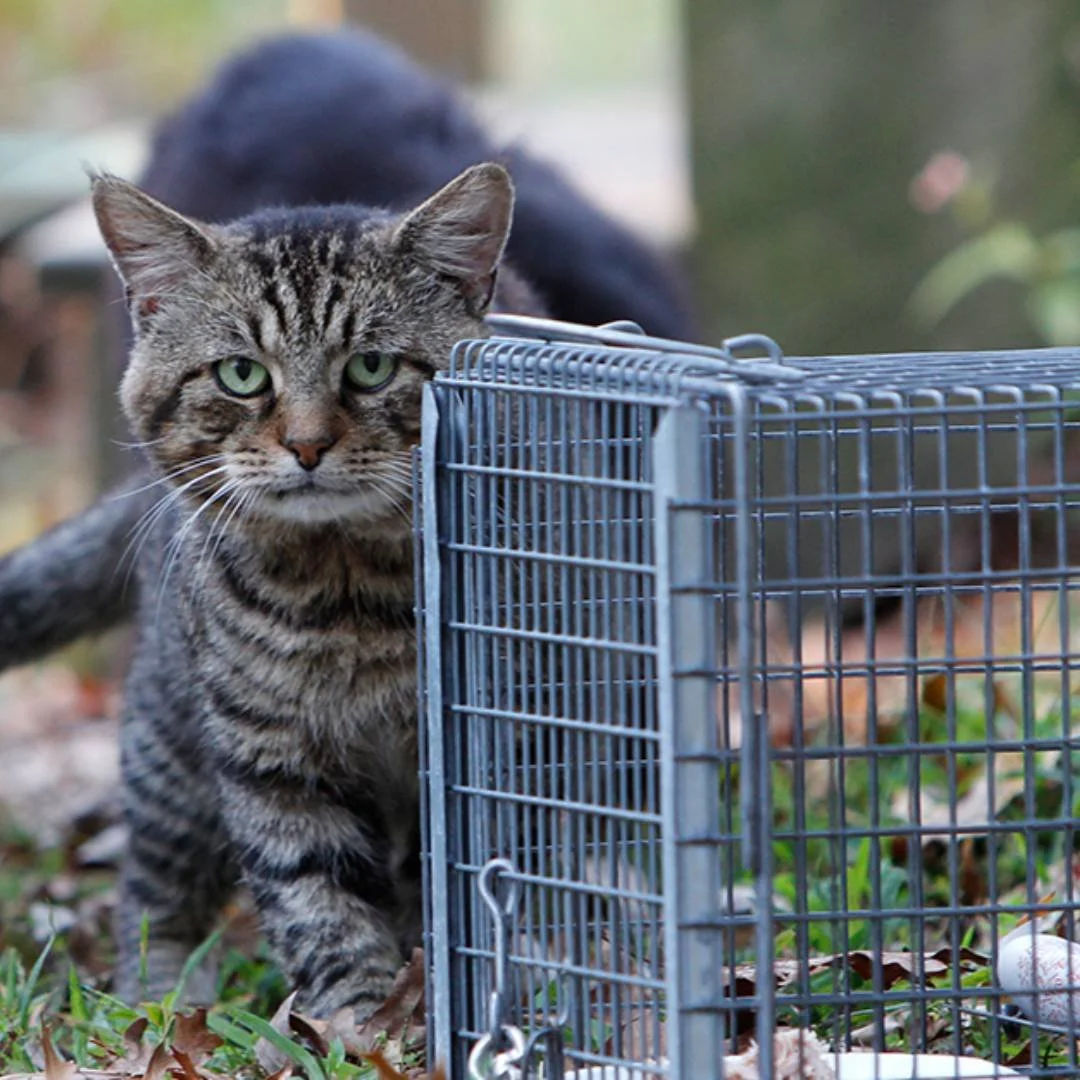
One stray cat I remember seemed interested in the trap from day one.
The problem was that he refused to go inside.
Every time he approached, he would stop just short of the trigger plate and walk away.
For several days, it felt like we were getting nowhere.
The temptation was to keep changing strategies.
Instead, we slowed down.
Food was placed near the trap.
Then just inside the entrance.
Then gradually farther back.
The trap wasn't even set at first.
The goal was simply to make the trap feel like part of the environment instead of something suspicious.
Eventually, the cat walked in without hesitation.
The biggest lesson wasn't about equipment.
It was about patience.
Many people think trapping is about catching a cat.
In my experience, it's often about helping the cat feel comfortable enough to catch itself.
What Bait Works Best?
Everyone seems to have a favorite bait, but I've had good success with warm food.
My personal go-to is:
Warm tuna packed in water with no added salt
Inexpensive canned cat food warmed slightly in the microwave
Warming food increases the smell, which helps attract cats from a greater distance.
The stronger the scent, the more likely a hungry cat is to investigate.
Sometimes the simplest bait is the most effective.
When Should You Set the Trap?
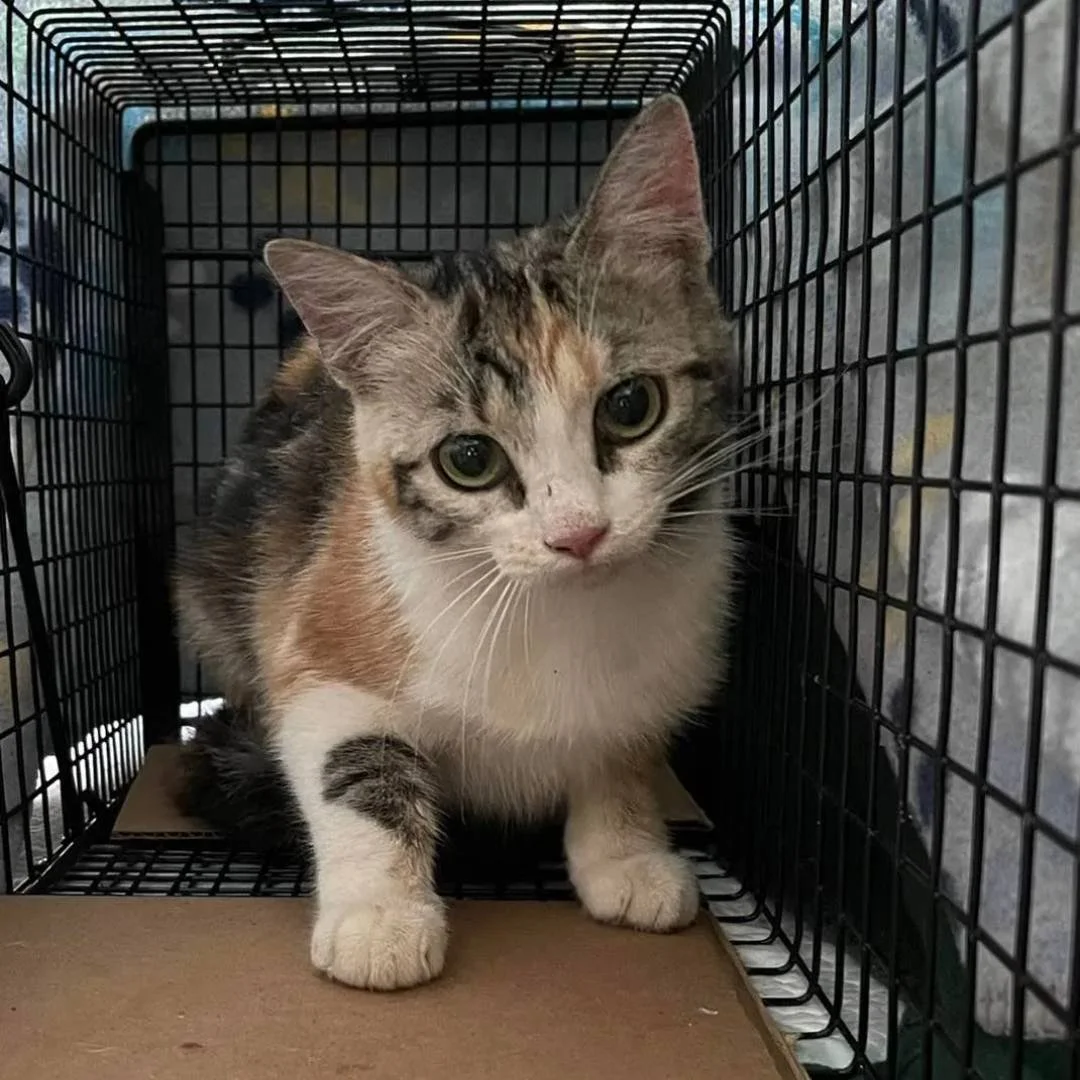
Most of the cats I've worked with are most active during the early morning and evening hours.
Because of that, I often set traps overnight or very early in the morning.
If I'm unable to physically monitor the trap, I strongly prefer using a camera so I can see what's happening in real time.
At a minimum, traps should be checked regularly throughout the day.
During winter, they should be checked even more frequently.
Cold temperatures can quickly become dangerous for a trapped cat.
Capturing a cat is only the first step.
Making sure they're safe afterward is just as important.
Safety Comes First
The most important thing I wish first-time rescuers understood is this:
Even a friendly cat can bite or scratch when frightened.
A scared cat isn't trying to be aggressive.
It's trying to survive.
That's why I rarely recommend attempting to grab a stray cat with your bare hands.
A humane trap is almost always safer for both the cat and the person trying to help.
Before attempting any capture, I encourage people to slow down and ask a few questions:
Is someone already caring for the cat?
Is the cat injured?
Is it a nursing mother with kittens nearby?
Does the cat need immediate medical attention?
Taking a few extra minutes to understand the situation often changes the best course of action.
Have a Plan Before You Trap
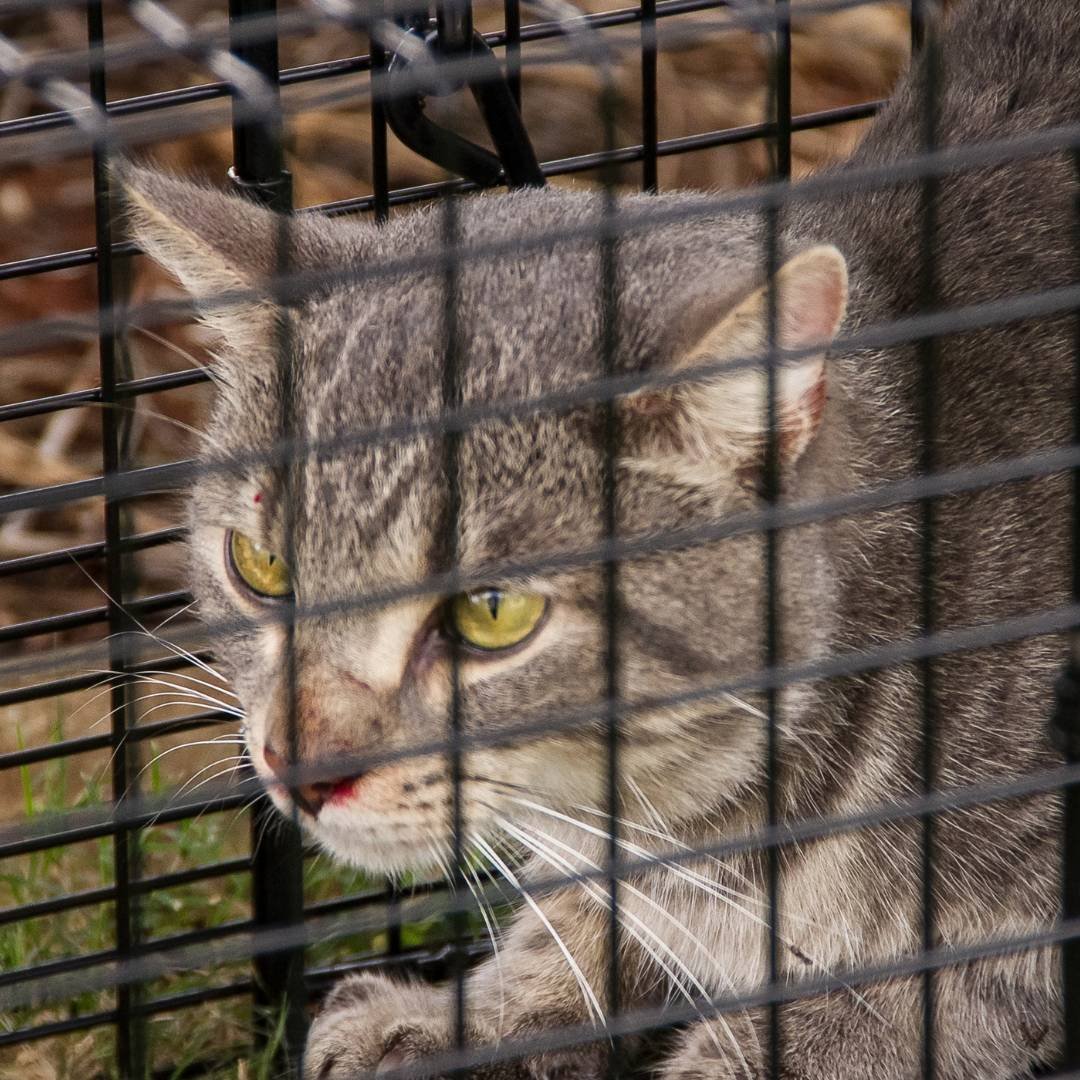
One of the most common mistakes I see is people trapping first and figuring out the next steps later.
Before the trap door closes, you should already know:
Where the cat is going
Whether you're pursuing TNR or rescue
Which veterinarian or clinic you'll use
Whether a foster home or rescue placement is available
The most successful rescues happen when the plan is already in place.
Once a cat is trapped, keep the trap covered, move the cat to a quiet location, and reduce stress as much as possible until transportation arrangements can be made.
Helping a Stray Cat Is About More Than Catching It

When people ask how to safely capture a stray cat, they're usually focused on the trap.
But in my experience, the trap is only a small part of the process.
The real work happens beforehand.
Building trust.
Creating routine.
Observing behavior.
Making a plan.
The cats that were hardest for me to catch weren't the smartest cats.
They were simply the cats that needed more time.
And some of the most rewarding rescues I've been involved with were the ones that required the most patience.
Helping a stray cat isn't usually about moving quickly.
It's about moving thoughtfully.
And when you do, both you and the cat are far more likely to have a successful outcome.