
Ultimate Trap-Neuter-Return (TNR) Guide for Winter & Spring
Published On: 1/5/2026
Last Updated On: 1/5/2026
By Callie, Seymour, Yebba, and Mama and our Hooman Ashley!
FREE CAT HAIR HACKS
⬇️
FREE CAT HAIR HACKS ⬇️
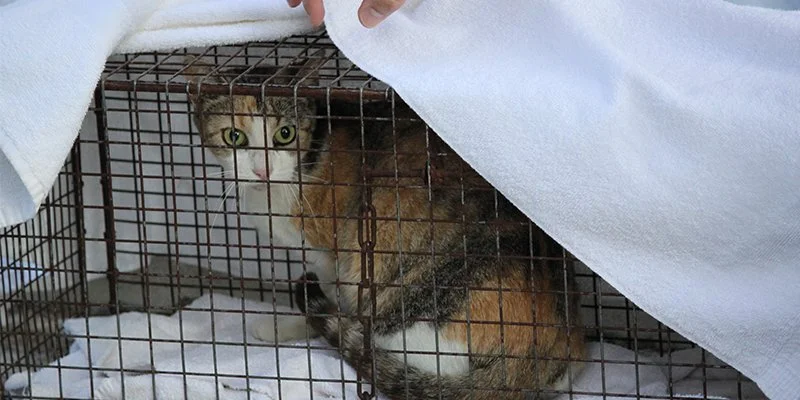
We’ve slept in snowbanks.
We’ve watched frost form on whiskers.
We’ve felt spring rain soak through cardboard shelters that tried their best.
So when we tell you this — that Trap-Neuter-Return (TNR) saves lives in every season — we’re not reading from a clipboard. We’re reading from memory.
We run Stray Cat News with paws that once walked alleyways, parking lots, backyards, and construction sites. And today, we’re bringing you the ultimate TNR guide for winter and spring, written from the warm side of survival — so more cats can make it there too.
What Is TNR (And Why It Matters So Much)

Trap-Neuter-Return means humanely trapping community cats, getting them spayed or neutered, vaccinated, and then returning them to the outdoor homes they already know.
And here’s the part hoomans sometimes miss:
👉 TNR doesn’t pause when it’s cold.
👉 TNR doesn’t wait for flowers.
In winter, it prevents cats from burning precious calories fighting hormones instead of staying warm.
In spring, it prevents the annual kitten boom — the one that overwhelms rescues, shelters, fosters, and hearts.
We’ve seen what happens when TNR doesn’t happen.
We’ve also seen miracles when it does.
Winter TNR: Yes, It’s Safe — If You Do It Right
Let’s clear something up right away, because we hear this whispered a lot:
“Is it safe to do TNR in winter?”
Short answer: Yes.
Long answer: Yes — with planning, timing, and compassion.
Winter TNR Best Practices (From Cats Who’ve Been There)
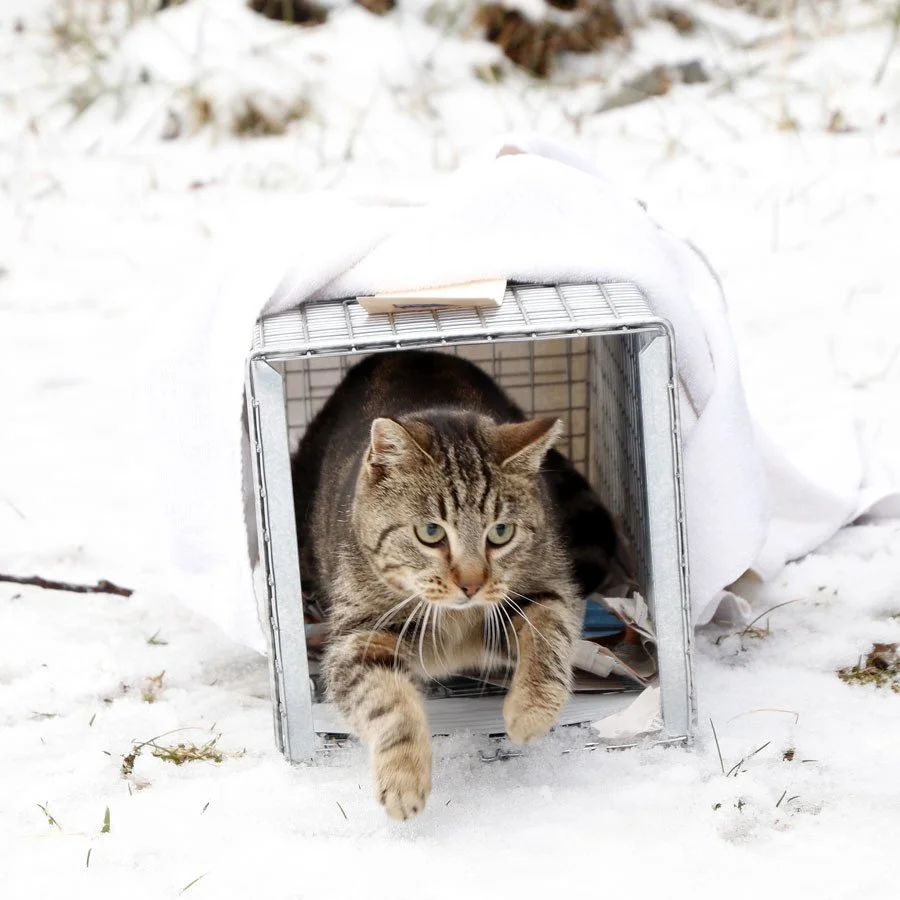
1. Timing Is Everything
Trap on days when temperatures are above freezing if possible. Avoid snowstorms, deep freezes, and high winds. If you’re cold standing there, we’re colder waiting.
2. Cover Those Traps
A fully covered trap keeps heat in and stress down. Darkness feels safer. Wind does not.
3. Fast Transport = Warm Recovery
Winter TNR requires a quick transfer to a warm, indoor recovery space — garages, basements, spare rooms. Draft-free is the goal.
4. Extra Recovery Time Helps
Cold weather can slow healing. Giving cats an extra 12–24 hours indoors before return can make all the difference.
We promise: we don’t forget who gave us warmth when we needed it.
Spring TNR: The Season That Changes Everything
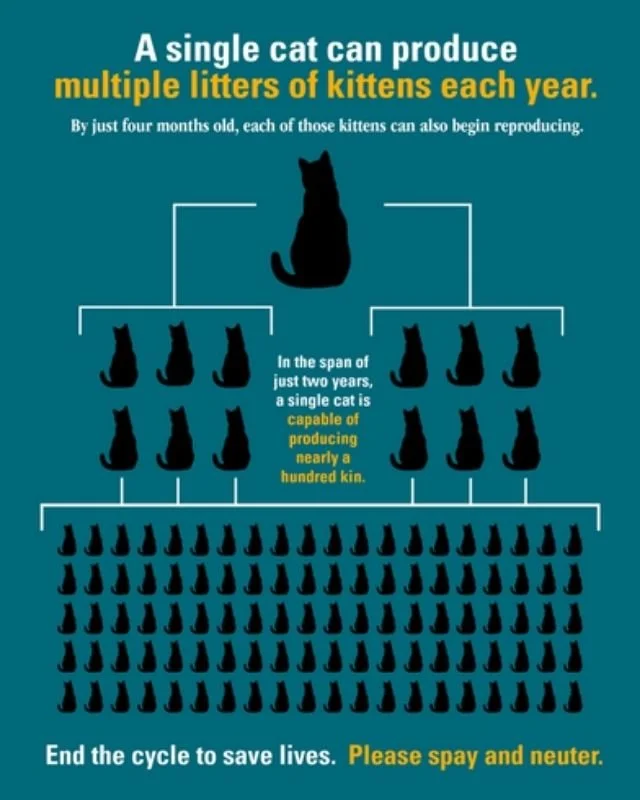
Spring smells like thawed earth, fresh air… and kittens. So many kittens.
Spring is when unfixed cats reproduce fast, and without TNR, one colony can turn into dozens of hungry mouths in months.
Why Spring TNR Is Critical
Prevents kitten overload in shelters
Reduces fighting and spraying
Stabilizes colonies before summer
Gives kittens already born a better chance through managed care
Spring is not “too late.”
Spring is right on time.
Step 1: Scout & Schedule
Observe feeding times. Identify how many cats you’re seeing. Book spay/neuter appointments before trapping — especially in spring when clinics fill fast.
Step 2: Withhold Food (But Not Water)
Food is typically withheld 8–12 hours before trapping. Water stays. Always.

Step 3: Trap Like a Pro
Use humane box traps only
Line traps with cardboard or puppy pads
Secure doors so they don’t misfire
Never leave traps unattended (use cameras or check every 30mins-1 hour in spring)
We know traps look scary. But they lead to safety, stability, and longer lives.
Step 4: Surgery, Vaccines & Eartips
This is the heart of TNR:
Spay/neuter
Rabies vaccine
Eartip (the universal sign we’re fixed and protected)
That tiny ear tip?
That’s a badge of survival.
Step 5: Recovery & Return
Males: usually 24 hours
Females: 24–48 hours
Longer in winter if needed
Return cats to the exact location they were trapped. It’s home. Even if it doesn’t look like one to you.

Common TNR Myths (We’d Like to Shred These)
“Cats can’t survive winter after surgery.”
False. Fixed cats actually do better because they conserve energy.
“We should wait until it’s warmer.”
Waiting creates more kittens — and more suffering.
“TNR attracts cats.”
Nope. It stabilizes populations instead of increasing them.
We’ve lived the data. Trust us.
Why We’ll Always Stand Behind TNR
Because we are here because someone trapped us.
Someone waited.
Someone cared enough to do it right — even when it was cold, inconvenient, or hard.
This Ultimate Trap-Neuter-Return Guide for Winter & Spring isn’t theory.
It’s lived experience.
And if you’re reading this, thinking, “Maybe I can help” —
you already are.
A Soft Paw-Tap 🐾
If you’re caring for community cats this winter or spring, we see you.
If you’re curious about TNR, keep learning.
If you’re overwhelmed — you’re not alone.
Stick with us here at Stray Cat News. We’ll keep sharing guides, stories, and hope — one season, one colony, one cat at a time.
Warm laps. Safe nights. Fewer kittens struggling to survive.
That’s the headline we’ll never stop running.
🐾 Coming tomorrow on Stray Cat News

Pennsylvania Cat Laws & Pet Ordinances Guide
We’re breaking down Pennsylvania cat laws and local pet ordinances in plain language — from the paws of cats who’ve seen how confusing (and inconsistent) the rules can be.
Tomorrow’s guide covers:
🐾 PA cat licensing laws
🐾 Local leash laws & community cat rules
🐾 Spay/neuter laws & mandates
🐾 Trap-Neuter-Return (TNR) regulations in Pennsylvania
🐾 What caregivers, adopters, and feeders actually need to know