
Published On: 6/12/2026
Last Updated On: 6/12/2026
By Callie, Seymour, Yebba, Tucker, and Mama and our Hooman Ashley!
PENNSYLVANIA — A cat suddenly starts peeing on the floor.
An owner buys a new litter.
The litter box gets cleaned more often.
A veterinary appointment is scheduled.
Yet the problem continues.
Across Pennsylvania rescue groups, shelters, veterinary clinics, and online cat communities, litter box complaints remain one of the most common behavioral concerns reported by cat owners.
But in homes with multiple cats, experts say the litter box itself is often only part of the story.
The bigger issue may be happening between the cats.
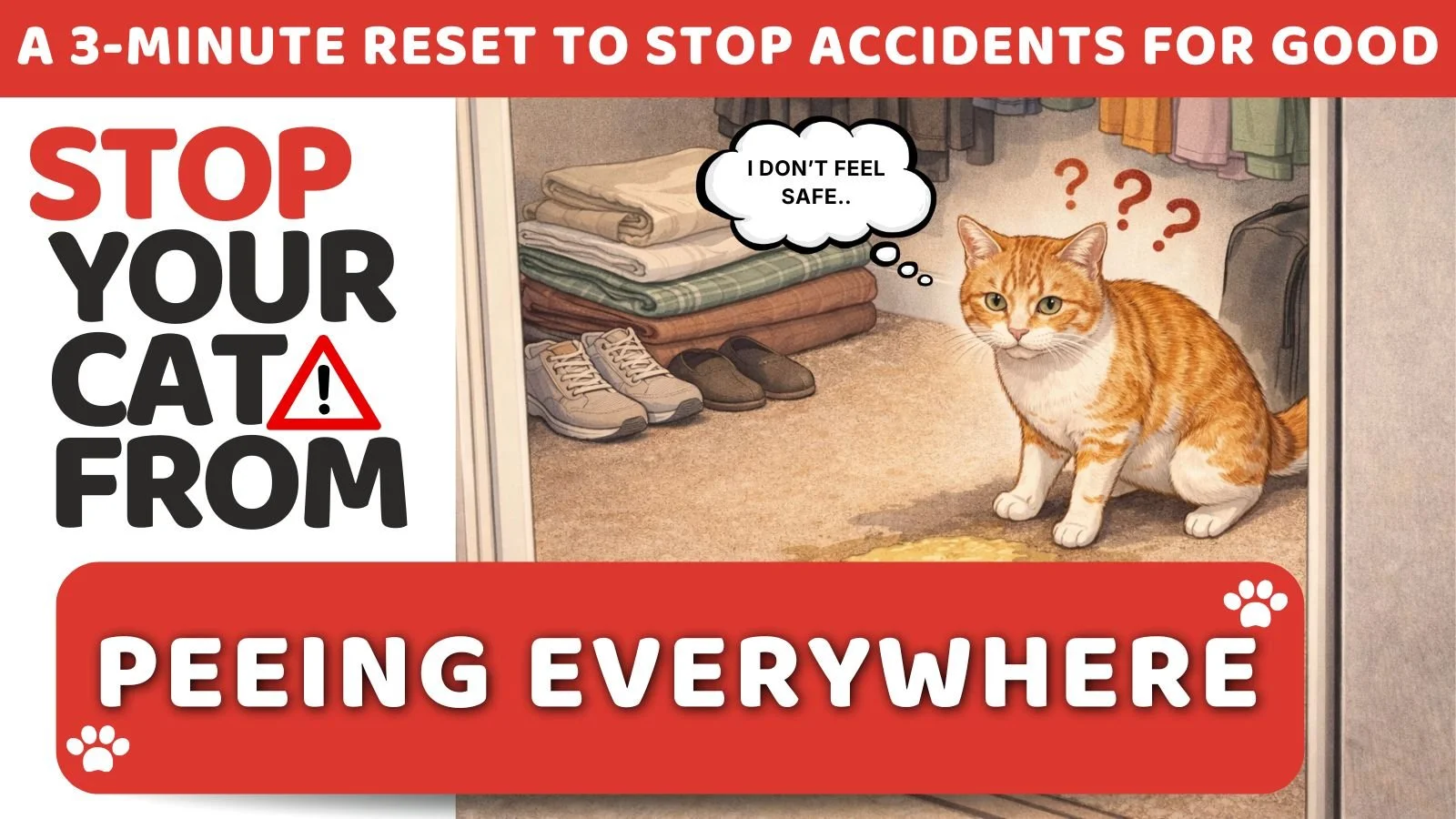
Owners Often Focus on the Wrong Cat
One of the biggest misconceptions about multi-cat households is the assumption that the cat having accidents is the cat causing the problem.
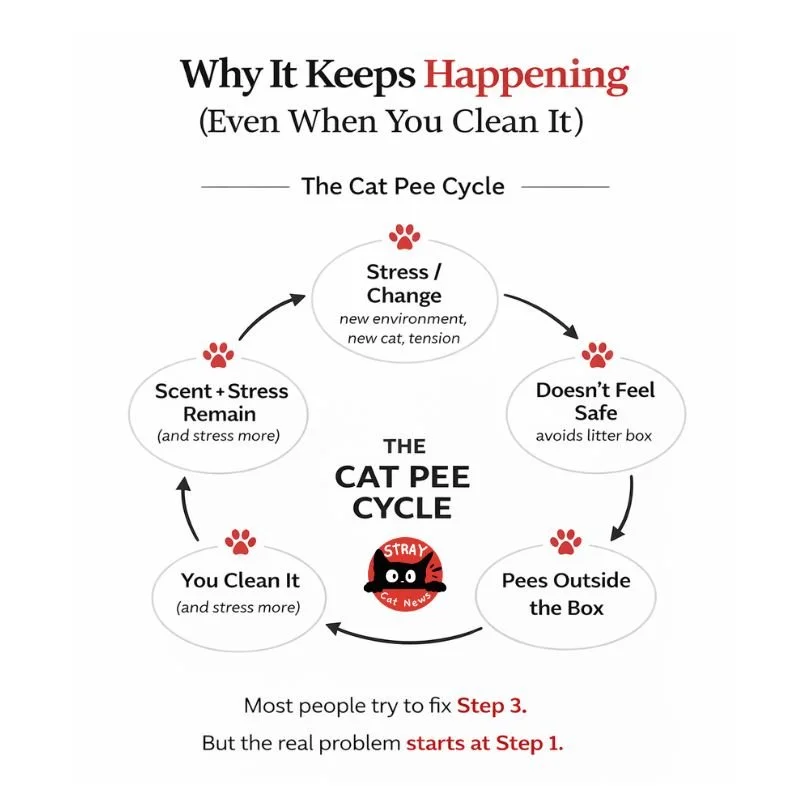
In reality, that cat may simply be reacting to stress.
Behavior specialists frequently describe litter box avoidance as a symptom rather than the root issue.
The cat peeing outside the box may actually be:
feeling intimidated
losing access to resources
being blocked from litter box areas
struggling with territorial tension
responding to changes within the household
In many cases, the conflict is subtle enough that owners never witness it directly.
The Silent Politics of Multi-Cat Households
Unlike dogs, cats rarely establish relationships through obvious dominance displays.
Their communication is often quieter.
A stare.
A blocked hallway.
A preferred sleeping spot.
A cat tree claimed by one individual.
A litter box placed in a location another cat avoids.
Over time, these small interactions can create invisible territorial boundaries inside the home.
The result?
One cat begins looking for safer places to eliminate.
Unfortunately, those places are often carpets, furniture, laundry piles, or beds.
Why the "One Box Per Cat" Rule Exists
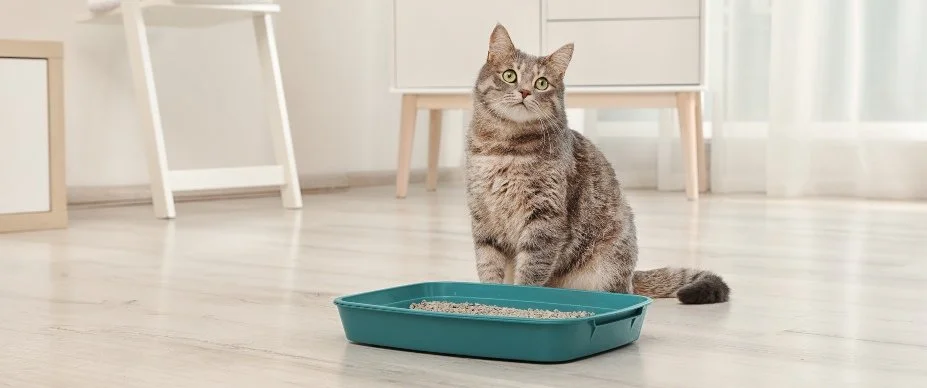
Most rescue organizations and feline behavior professionals recommend:
One litter box per cat, plus one extra.
In a three-cat household, that means four litter boxes.
While many owners are surprised by this recommendation, the reasoning is straightforward.
Additional boxes create options.
And options reduce competition.
When multiple cats must share a limited number of resources, stress often increases.
Providing more litter box locations helps ensure that every cat has access to a space they feel comfortable using.
Location Matters More Than Most People Realize
Even households with enough litter boxes can experience problems if all the boxes are clustered together.
To cats, three boxes sitting side-by-side often function as one large bathroom.
Experts typically recommend spreading litter boxes throughout the home whenever possible.
This gives cats multiple escape routes and prevents one animal from controlling access to all available resources.
For nervous cats especially, location can be just as important as quantity.
Stress Often Shows Up Before the Accidents
Litter box issues rarely appear overnight.
Many cats display warning signs first.
Common indicators include:
increased hiding
tension between household cats
excessive grooming
scratching behavior changes
guarding favorite spaces
reduced confidence around resources
Unfortunately, these signs are often overlooked until accidents begin occurring.
By then, the underlying stress may have been building for weeks or even months.
What Cat Owners Should Do First

Any sudden change in litter box habits should always begin with a veterinary evaluation.
Urinary tract infections, bladder inflammation, kidney disease, diabetes, and other medical conditions can all contribute to inappropriate elimination.
Once medical causes have been ruled out, owners can begin looking at environmental factors.
Questions worth asking include:
Do all cats have access to resources?
Are litter boxes distributed throughout the home?
Has anything recently changed?
Are there enough vertical spaces?
Is one cat controlling key areas?
Often, the answers reveal far more than the litter box itself.
The Bigger Picture
Cats are not seeking revenge.
They are not being stubborn.
And they are rarely acting out of spite.
More often, litter box problems represent communication.
A cat's way of saying something in the environment no longer feels safe, comfortable, or accessible.
For multi-cat households, understanding territory may be one of the most important steps toward solving the problem.
Because sometimes the mess on the floor isn't the issue.
It's the message.

Dealing with litter box accidents?
Download our free guide:
Stop Cat Peeing Outside the Litter Box
Inside you'll learn practical territory-building strategies, litter box placement tips, and common mistakes many cat owners don't realize they're making.