
How to Trap Neuter Release (TNR) During Winter Time
Published On: 11/10/2025
Last Updated On: 11/10/2025
By Callie, Seymour, Yebba, and Mama and our Hooman Ashley!
FREE CAT HAIR HACKS
⬇️
FREE CAT HAIR HACKS ⬇️
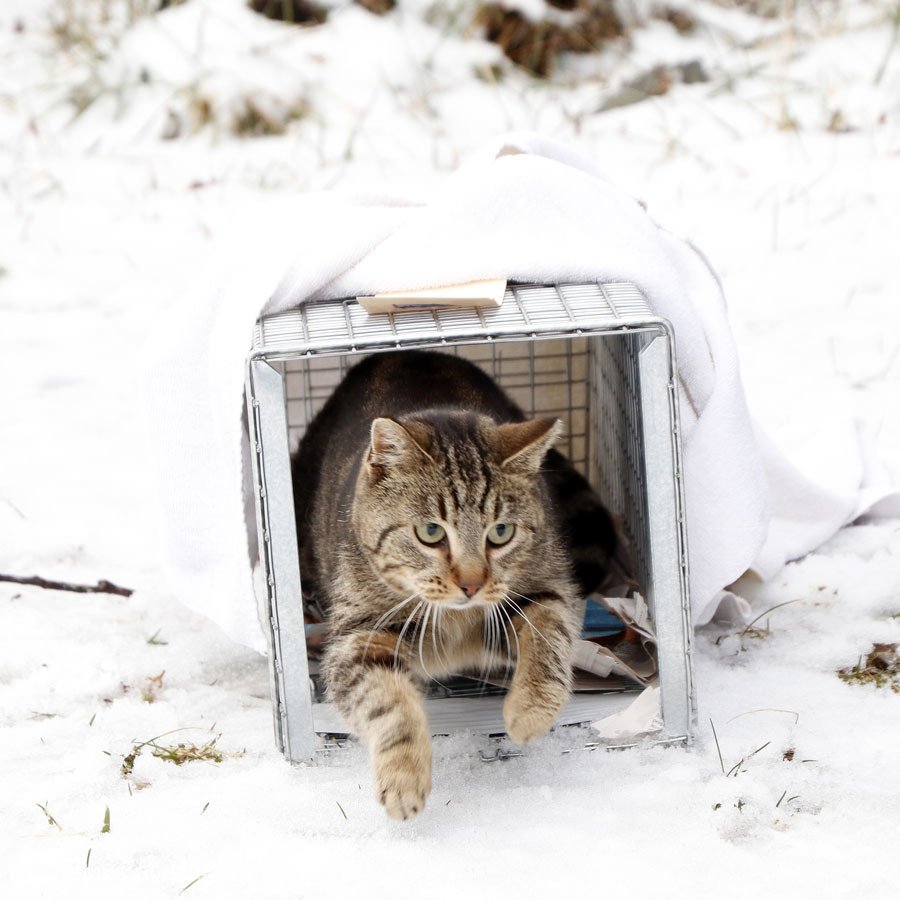
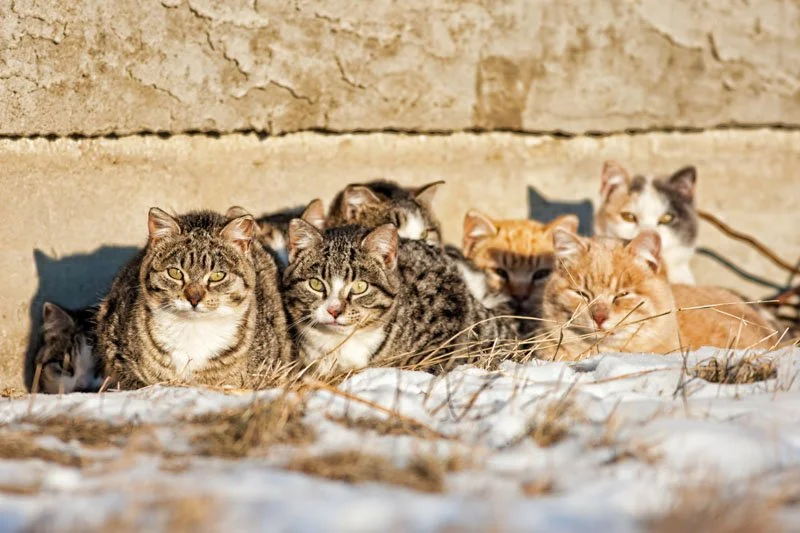
Photo Courtesy of Alley Cat Allies
We padded into the newsroom this morning, paws cold from the window ledge, watching tiny flakes drift across Pennsylvania. Winter is beautiful — unless you’re a cat living outside. Then it’s a season of danger, hunger, and trying to survive one night at a time.
So today, we’re reporting on something that matters deeply to us and every cat who’s ever fought to stay warm:
How to safely TNR (Trap–Neuter–Return) in the winter — without leading to another senseless, preventable loss.
Why Winter TNR Matters Even More
TNR is lifesaving year-round, but winter brings special risks. Cats burning calories to stay warm can’t afford to be held too long. Trapped cats can become hypothermic. Dropping temperatures turn mistakes into tragedies.
But winter TNR can be done safely — and should be — as long as hoomans follow protocols that keep cats warm, monitored, and returned at the right moment.
We’re here to walk you through it. (We would demonstrate, but we’re currently sitting in a heated blanket burrito.)
1. Only Trap If You Already Have a Safe Room/ Appintment
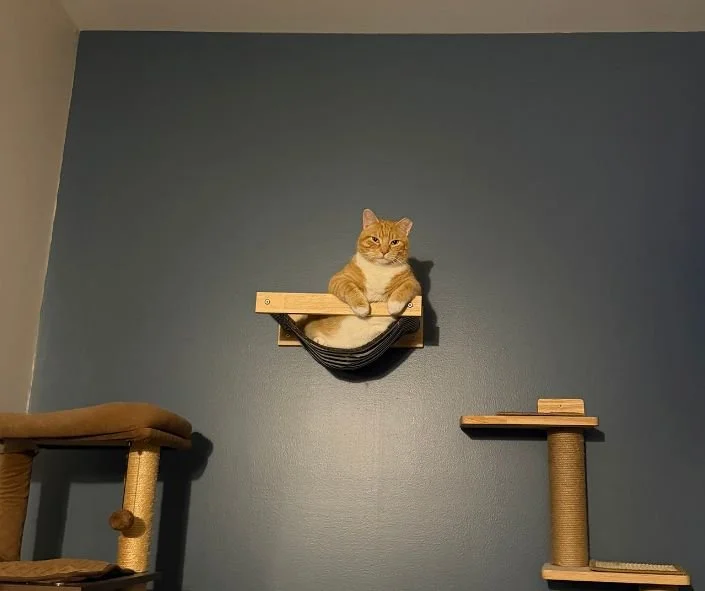
Seymour the news anchor cat chilling in his safe space hammock
Winter is not the time to “trap and hope.”
Never trap a cat unless:
the clinic is open
you have a set drop-off time
you can transport immediately
you have a safe room or foster set up to intake
A cat cannot sit in a trap for many hours in freezing temperatures.
Doing so becomes dangerous — fast.
2. Insulate the Trap Before and After Capture
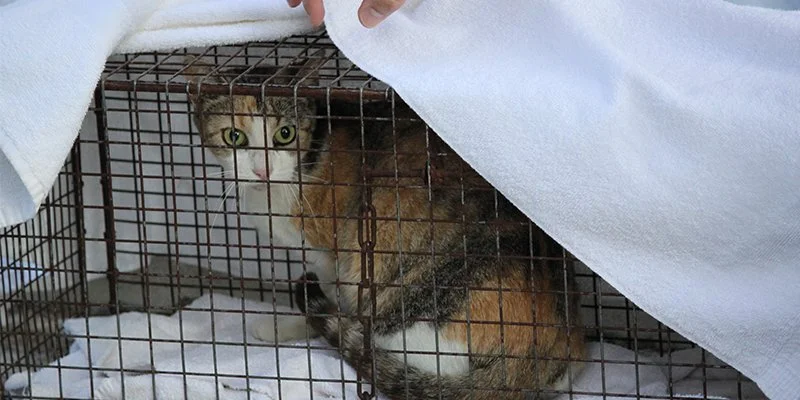
Community cats in winter need layers, even inside a trap.
Use:
trap covers
mylar blankets on top
newspaper
straw (never hay) beneath the trap
Keep airflow, but block drafts.
Cats lose heat far faster when frightened, confined, or wet.
3. Move the Cat Indoors for Recovery — Always
Returning a cat too soon, while groggy from anesthesia, is how heartbreak happens.
After surgery:
keep the cat in a warm, draft-free room
monitor breathing and alertness
offer heat sources outside the trap (heating pad on low, wrapped in a towel)
keep them 12–24 hours (longer for females)
Never release into snow, ice, or freezing rain.
If you cannot provide safe indoor recovery, partner with a rescue, TNR group, or trusted community member who can.
4. Return Only When Fully Alert
This is the step too many skip.
A cat must be:
fully awake
able to walk normally
dry
warm
aware of surroundings
Releasing a cat who’s even slightly sedated is dangerous.
We’ve seen the consequences — and no cat deserves that story.
5. Support the Colony After Release
Winter survival takes teamwork.
Offer:
insulated outdoor shelters
straw bedding, never blankets
dry food twice daily
fresh, unfrozen water
TNR isn’t just trapping.
It’s aftercare, commitment, and ongoing compassion.
Why This Matters to Us
We’re alive because hoomans cared — Cats outside don’t choose that life.
Hoomans failed them long before winter ever did.
So if you’re helping a colony this season, thank you.
Your actions ripple out further than you know.
A Soft Final Purr
Winter TNR done poorly can lead to catastrophic loss.
Winter TNR done correctly saves lives.
If you’re unsure, ask.
If you feel overwhelmed, reach out.
If you can help, even a little — it matters.
🐾 Want more guides, rescue stories, and community cat updates?
Follow Stray Cat News for the latest.
🐾 Coming tomorrow on Stray Cat News
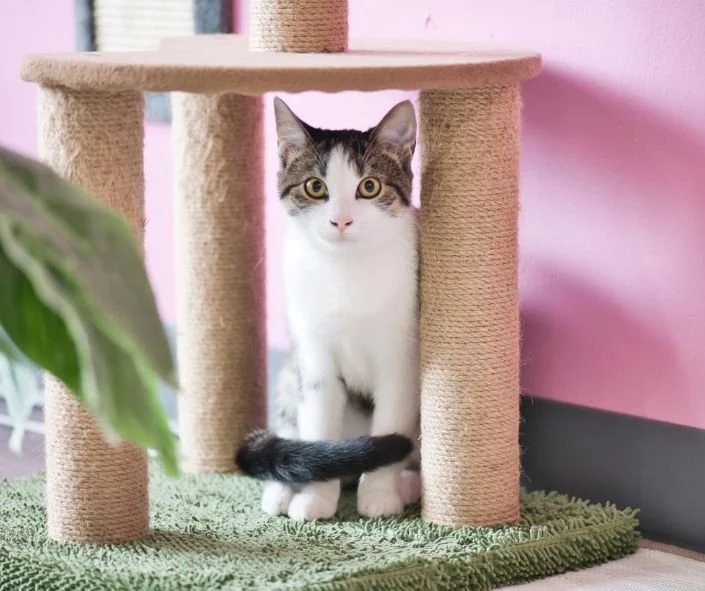
Piston, adopted cat from Craigs Cat Cafe in Spring City, PA!
We’re curling our tails around a very special interview — one that started with a single photo and ended with a forever home.
Tomorrow, we’re sharing our conversation with Chad Rutt, the hooman who adopted Piston, the beautiful cat featured in our recent Craig’s Cat Café story. Chad reached out after recognizing her in our post… and what he shared with us is the kind of rescue magic that reminds us why we do this work.
It’s tender. It’s joyful. And honestly? It’s everything we love about our Pennsylvania rescue community.
See you tomorrow for the full scoop — and bring tissues, just in case. 💛🐈⬛